The Guide to Japanese Nails: Trends, Techniques, and Artistry
Nail art has evolved into a sophisticated form of self-expression, and at the forefront of this movement are Japanese nails. Known for their impeccable attention to detail, focus on natural nail health, and stunningly intricate designs, Japanese nail techniques have completely transformed the beauty industry. Whether you want an understated glossy manicure or a complex 3D masterpiece, understanding this unique approach to nail care will elevate your grooming routine.
In this comprehensive guide, we explore everything you need to know about Japanese manicures, the hottest trends dominating 2026, the unique products used by top technicians, and how you can replicate these highly sought-after looks.
What Are Japanese Nails?
When we talk about Japanese manicures and nail art, we refer to a holistic approach to nail care and design that originated in Japan. This method prioritizes the health of the natural nail bed above all else. Instead of aggressive filing and harsh chemicals, Japanese nail technicians use gentle techniques, high-quality potted gels, and nourishing ingredients to build strength and beauty simultaneously.
The aesthetic of Japanese nail art heavily favors balance and precision. Even the most extravagant designs maintain a sense of harmony.
The Core Philosophy: Health First
Before a single drop of color touches the nail, the Japanese manicure process focuses entirely on preparation. Technicians meticulously clean the cuticles, buff the nail plate gently, and apply nutrient-rich bases. The goal is to ensure that even when you remove the polish, your natural nails remain strong, smooth, and healthy.
Key Differences Between Japanese Gel and Western Gel
If you usually visit a standard Western salon, you might wonder why Japanese gel manicures command a premium price and higher praise. The differences lie in the formulation of the products and the application techniques.
| Feature | Japanese Gel Polish | Traditional Western Gel Polish |
| Packaging | Often comes in small pots; applied with precision brushes. | Usually comes in standard bottles with built-in brushes. |
| Consistency | Highly pigmented, thick, and viscous. Does not run into cuticles. | Thinner, more fluid. Requires multiple coats for full opacity. |
| Durability | Extremely flexible; moves with the natural nail to prevent chipping. | Can be rigid; prone to cracking if the natural nail bends. |
| Removal Process | Soaks off easily with minimal damage to the nail bed. | Often requires heavy filing or drilling, which can thin the nail. |
| Ingredients | Typically free from harsh chemicals; uses cosmetic-grade ingredients. | May contain stronger chemical solvents. |
Top Japanese Nail Art Trends Dominating 2026
The trends emerging from Tokyo salons influence the rest of the world. This year, the focus shifts toward organic textures, dimensional art, and hyper-glossy finishes. Here are the most popular styles you should ask your nail technician for.
1. Nuance Nail Art
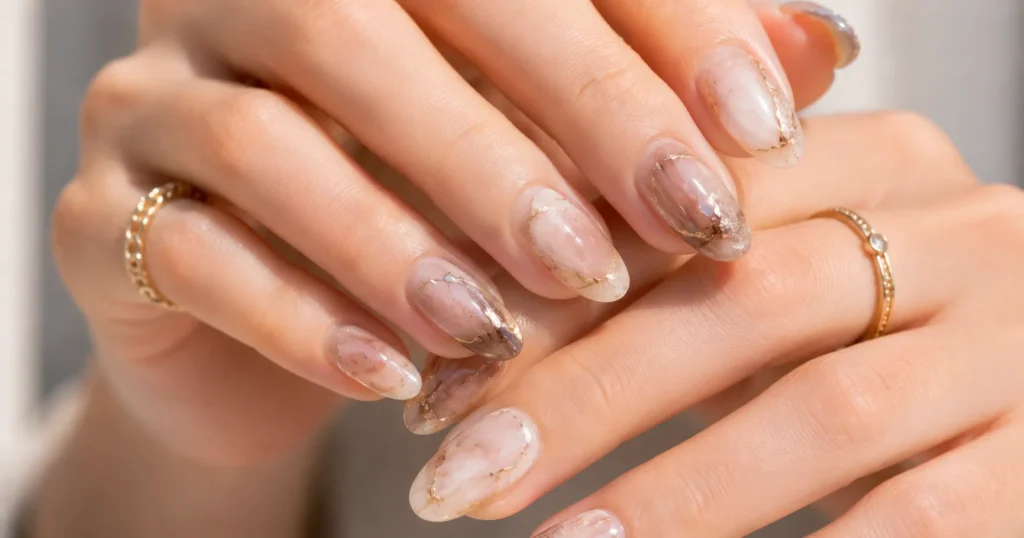
Nuance nails are the defining trend of 2026. Rather than crisp lines and geometric shapes, nuance art relies on blended, watercolor-like layers. Technicians use milky translucent bases, sheer jelly polishes, and marble inks to create a look that resembles natural stones, clouds, or gently mixing liquids. No two nuance nails look exactly alike, making your manicure entirely unique.
2. Blooming Gel Designs
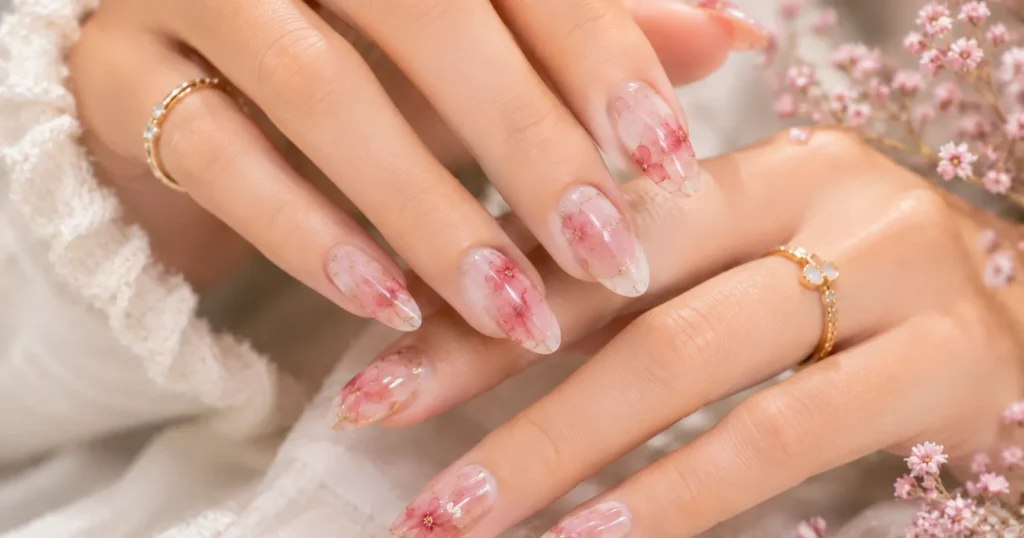
Blooming gel is a specialty formula that allows polish to subtly diffuse and expand. The technician paints a clear layer of blooming gel, and before curing it under an LED lamp, they drop wet colors onto the surface. The colors spread outward, creating effortless floral patterns, tortoiseshell effects, or abstract tie-dye looks.
3. Blush Nails (Cheek Nails)
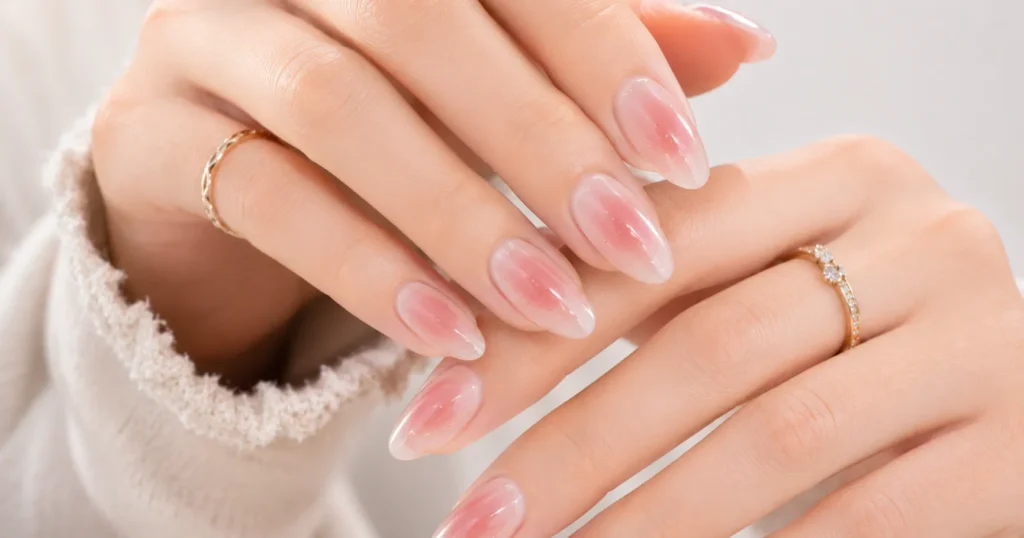
Inspired by makeup, the blush nail trend creates a soft, glowing gradient in the center of the nail. The base is usually a sheer nude or milky pink. The technician then lightly taps a brighter pink or peach tone directly in the center, diffusing it outward. It mimics the look of flushed cheeks and offers a romantic, delicate aesthetic.
4. 3D Nail Art and Charms
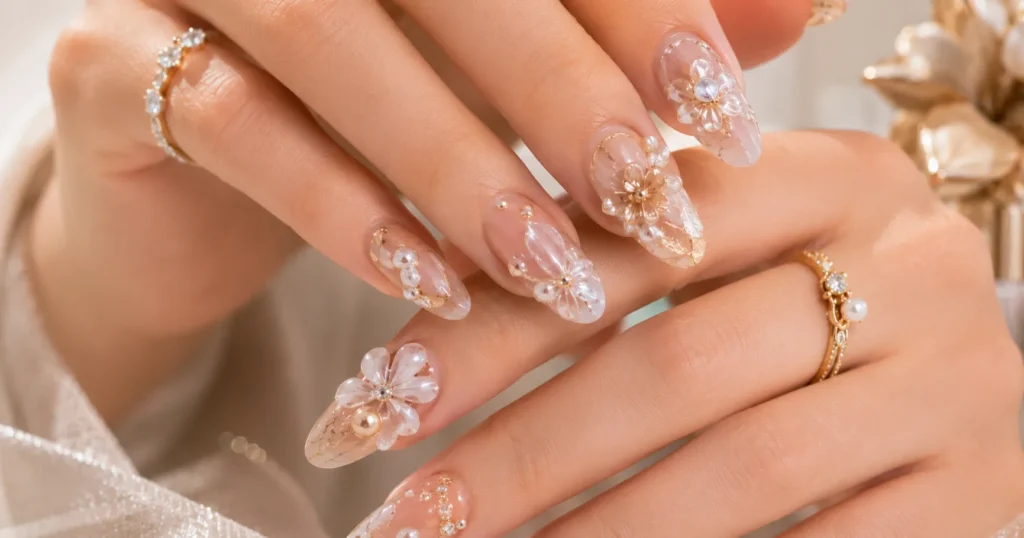
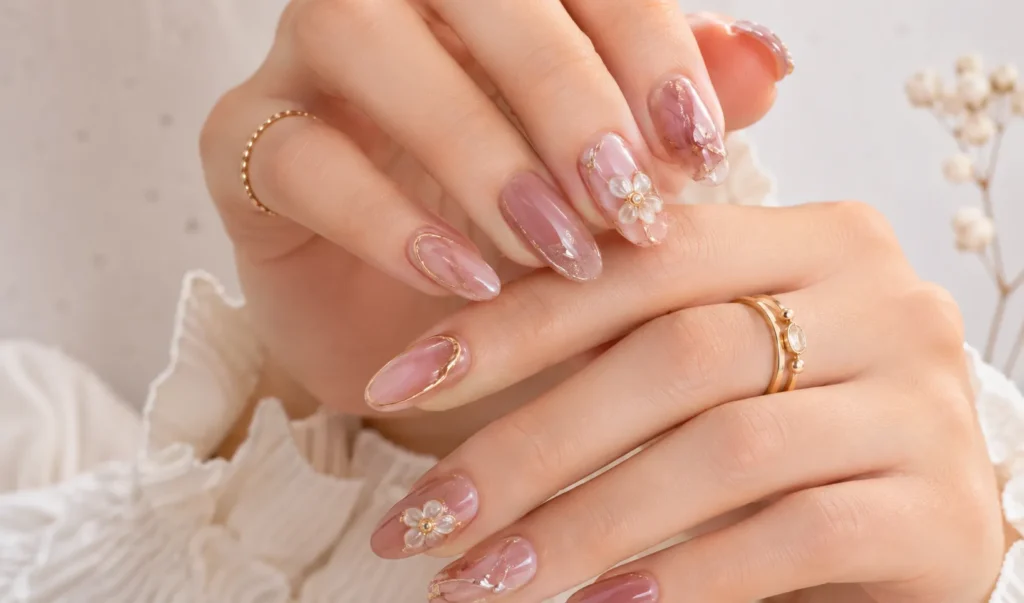
Japanese nail artists excel at three-dimensional art. Using thick sculpting gels, they create raised designs like water droplets, seashells, ribbons, and flowers directly on the nail. They also incorporate intricate metal charms, pearls, and rhinestones. Because Japanese gel is incredibly strong, these 3D elements stay securely attached for weeks.
5. Magnetic and Cat-Eye Finishes
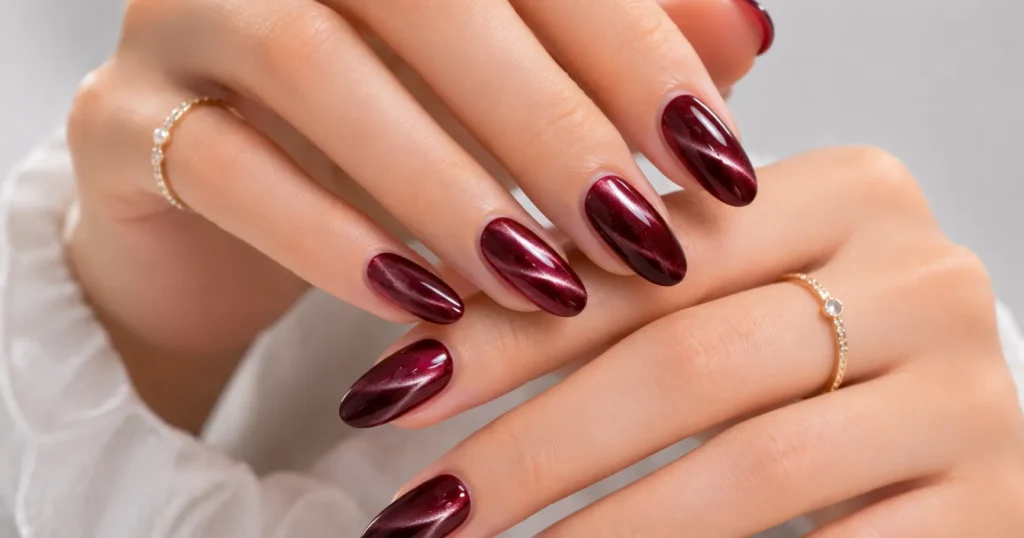
Magnetic polishes contain microscopic iron particles. Before curing the polish, the artist hovers a strong magnet over the nail to pull the particles into specific patterns. The result is a mesmerizing, velvet-like illusion that shifts and shimmers as you move your hands.
The Step-by-Step Japanese Manicure Process
Achieving the perfect manicure requires patience. Here is a breakdown of what you can expect during a traditional Japanese gel appointment.
Step 1: Detailed Cuticle Care
The technician uses a gentle e-file with specialized bits to safely remove dead skin around the cuticle. They do not aggressively cut live tissue. This creates a clean, elongated canvas for the polish.
Step 2: Gentle Surface Prep
Instead of heavily etching the natural nail with a coarse file, the artist lightly buffs the surface just enough to remove natural oils. This prevents thinning and damage.
Step 3: The Base Gel Application
A flexible, high-adhesion base gel is applied and cured. This layer acts as a protective barrier and ensures the color layers stick perfectly.
Step 4: Building the Apex
Japanese technicians often use a builder gel to construct an “apex”—a slight curve that adds structural integrity to flat or brittle nails. This makes the nails virtually unbreakable.
Step 5: Color and Artistry
Using specialized brushes, the artist applies potted gel colors. Because the pigment is so dense, they usually only need one or two thin layers. They then execute any requested nail art.
Step 6: Flawless Top Coat
A self-leveling, high-gloss top coat seals the design. This top coat resists scratches and maintains a glass-like shine for up to four weeks.
How to Achieve the Look at Home
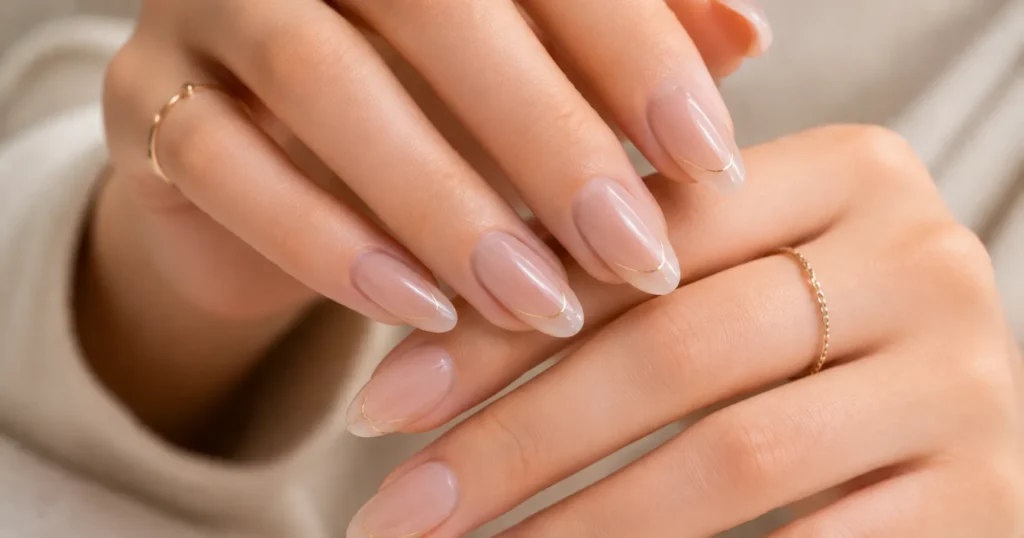
You do not need to fly to Tokyo to enjoy these beautiful manicures. With the right tools and patience, you can practice these techniques at home.
- Invest in potted gels: Purchase authentic Japanese gel brands online. Look for brands known for cosmetic-grade ingredients.
- Buy specialized brushes: Built-in bottle brushes lack precision. Buy an angled brush for clean edges, a liner brush for details, and an oval brush for smooth color application.
- Practice proper prep: Push your cuticles back gently after a shower when the skin is soft. Wipe the nail with isopropyl alcohol to remove all oils before applying your base coat.
- Layer thinly: Apply gels in very thin, even layers, curing fully between each step.
Conclusion
Japanese nails represent the pinnacle of modern nail care, blending meticulous health practices with unparalleled artistic expression. By prioritizing the structural integrity of your natural nails and utilizing flexible, highly pigmented gels, this technique offers a superior, longer-lasting manicure. Whether you gravitate toward the soft blending of nuance art or the striking dimension of 3D designs, embracing Japanese nail methods will transform your hands into a true work of art.
Frequently Asked Questions (FAQs)
1. How long do Japanese gel nails last?
When applied correctly, Japanese gel manicures typically last between three to four weeks without chipping or peeling, thanks to the flexible nature of the potted gels used.
2. Is a Japanese manicure good for damaged nails?
Yes, Traditional Japanese manicures focus heavily on restoring natural nail health. The gentle preparation methods and nourishing base layers can help protect and grow out brittle, damaged nails.
3. What is the difference between Russian and Japanese manicures?
Russian manicures focus primarily on aggressive, dry e-filing to remove the entire cuticle for a seamless polish look. Japanese manicures prioritize gentle cuticle care and nail bed health, focusing more on the high-quality potted gels and artistry.
4. Can I use regular nail polish for nuance nail art?
While you can try, regular polish dries too quickly to achieve the smooth, seamless blending required for true nuance art. Sheer jelly gels and blooming gels provide the working time needed to mix the colors perfectly.
5. Are Japanese gels safe?
Yes, authentic Japanese gels are widely considered some of the safest on the market. They are heavily regulated in Japan, often formulated with cosmetic-grade ingredients, and are typically free from harsh toxic chemicals like formaldehyde and toluene.
6. Why is my Japanese gel polish peeling?
Peeling usually results from improper nail preparation. If oils or dead cuticle skin remain on the nail plate before the base coat is applied, the gel will not adhere properly. Ensure you wipe the nail thoroughly with alcohol before starting.
7. How do I safely remove Japanese gel at home?
Gently file away the shiny top coat. Soak cotton balls in 100% pure acetone, place them on the nails, and wrap your fingertips in aluminum foil. Wait 10-15 minutes, and the gel should flake off easily. Never peel or force the gel off, as this rips layers off your natural nail.