
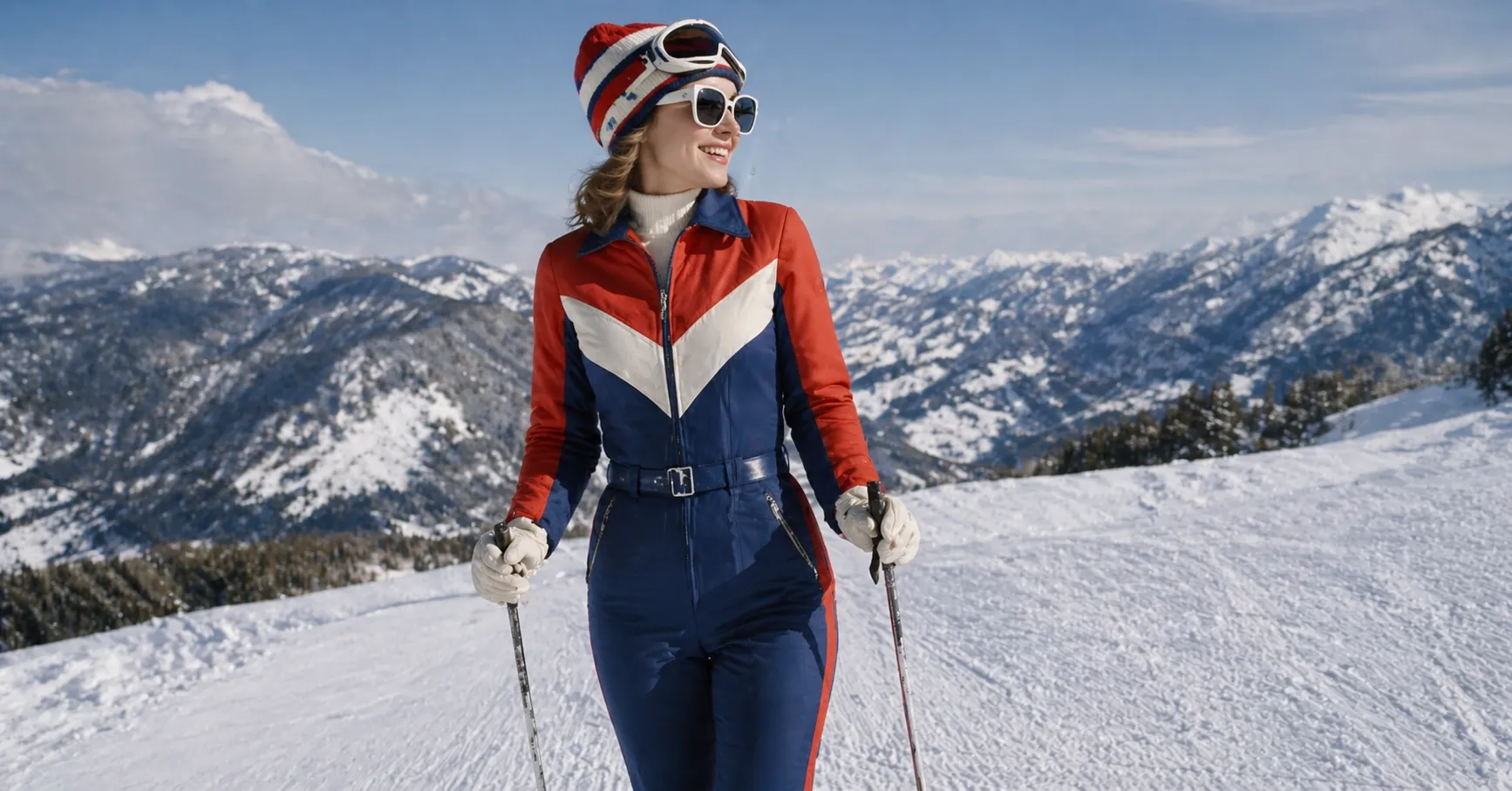
The Complete Guide to the Perfect Skifahrer Outfit
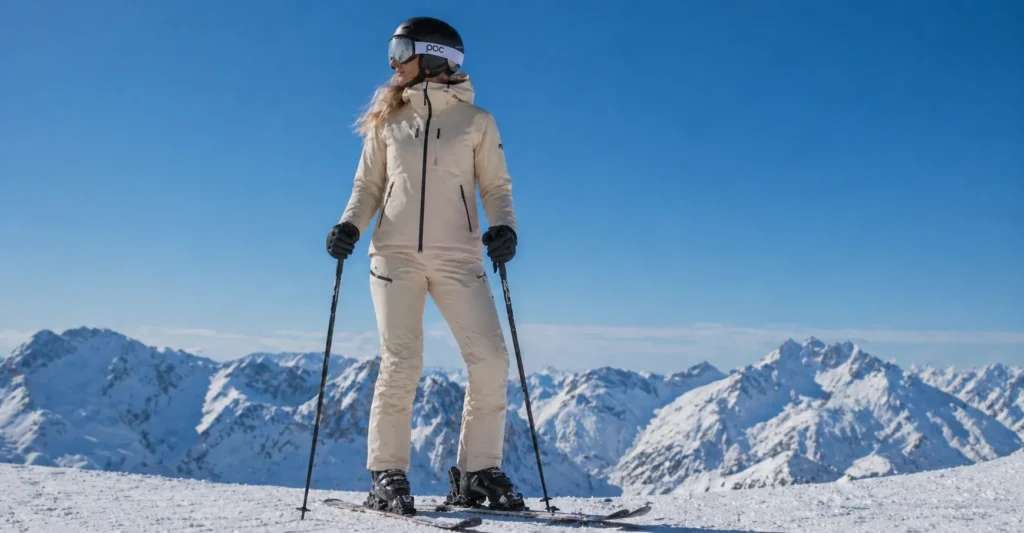
Preparing for a ski trip requires more than just booking a ticket and renting skis. Staying warm, dry, and comfortable on the mountain depends entirely on what you wear. Building the perfect skifahrer outfit the authentic skier ensemble is an art that combines high-tech materials with functional fashion. Whether you plan to carve down the pristine Alps or tackle local powder, your clothing choices dictate your experience.
A proper ski wardrobe protects you from freezing temperatures, biting winds, and wet snow. It also allows your body to breathe during intense physical exertion. We designed this comprehensive guide to help you master the mountain layering system. You will discover the essential components of a complete ski ensemble, learn how to choose the right materials, and find out how to capture that classic European Alpine aesthetic.
The Foundation: Mastering the Layering System
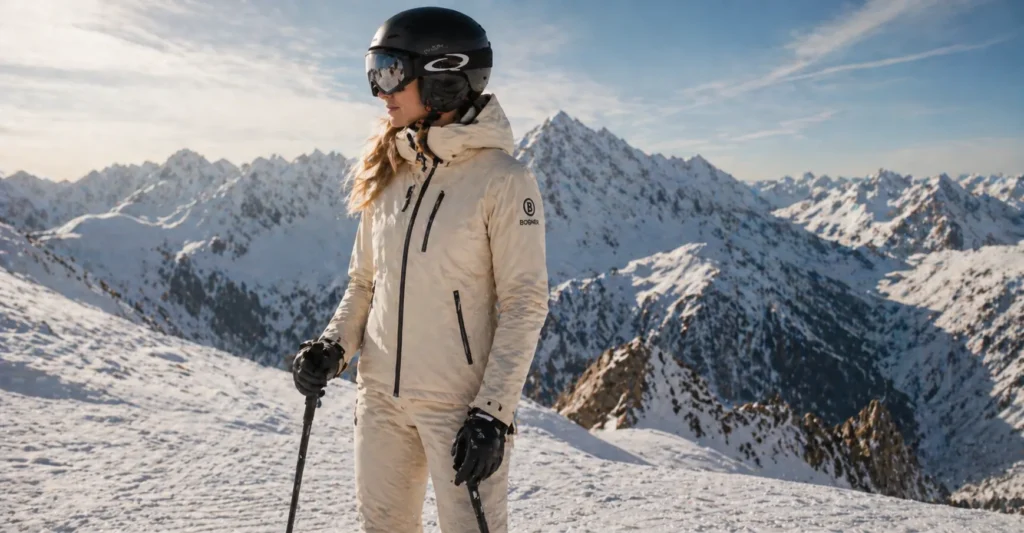
The secret to any successful day on the mountain is the three-layer system. Weather conditions change rapidly at high altitudes. A bright, sunny morning can quickly turn into a snowy, windy afternoon. Layering allows you to adjust your body temperature simply by adding or removing clothing.
The Base Layer: Moisture Management
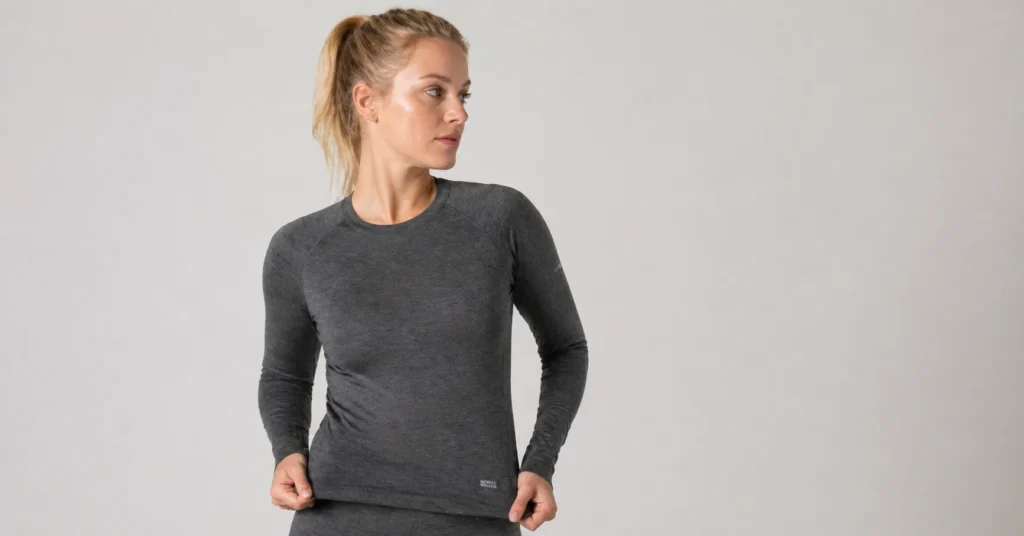
Your base layer sits directly against your skin. Its primary job is to pull sweat away from your body. If sweat stays on your skin, it cools down rapidly, leaving you shivering on the chairlift.
- Merino Wool: This natural fiber is the gold standard for base layers. It traps heat efficiently, fights odor naturally, and wicks moisture away from the skin.
- Synthetic Blends: Materials like polyester and nylon offer excellent moisture-wicking properties and dry faster than wool. They are often more affordable and highly durable.
- What to Avoid: Never wear cotton on the slopes. Cotton absorbs moisture and holds it against your skin, making you feel cold and clammy.
The Mid-Layer: Insulation
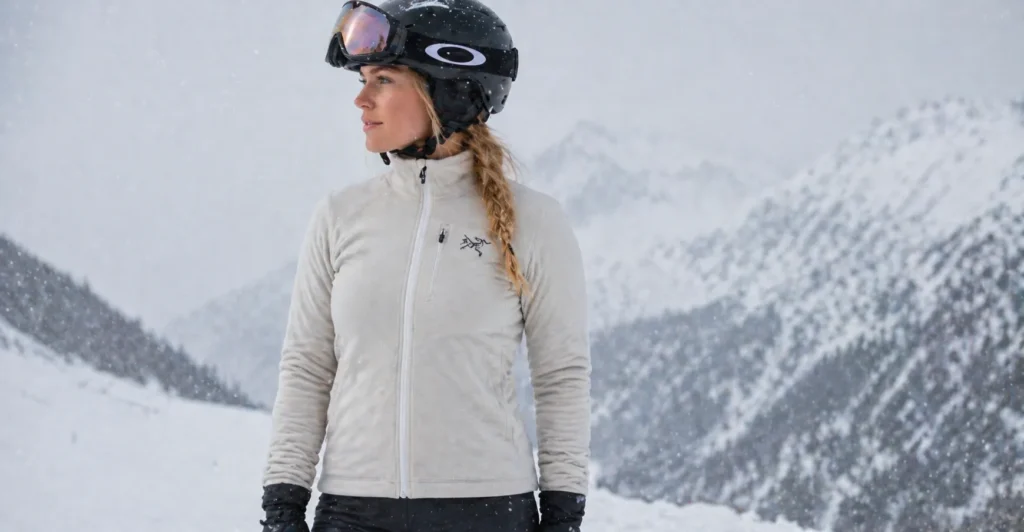
The mid-layer provides your primary source of insulation. It traps the body heat you generate while skiing and prevents it from escaping. You can adjust the thickness of this layer based on the day’s weather forecast.
- Fleece Jackets: A classic, breathable option that provides excellent warmth without adding too much bulk.
- Down Insulators: Goose or duck down offers the highest warmth-to-weight ratio. It works best on dry, freezing days.
- Synthetic Insulators: Synthetic fill mimics down but retains its insulating properties even when wet. This makes it ideal for humid or snowy conditions.
The Outer Layer: Weather Protection
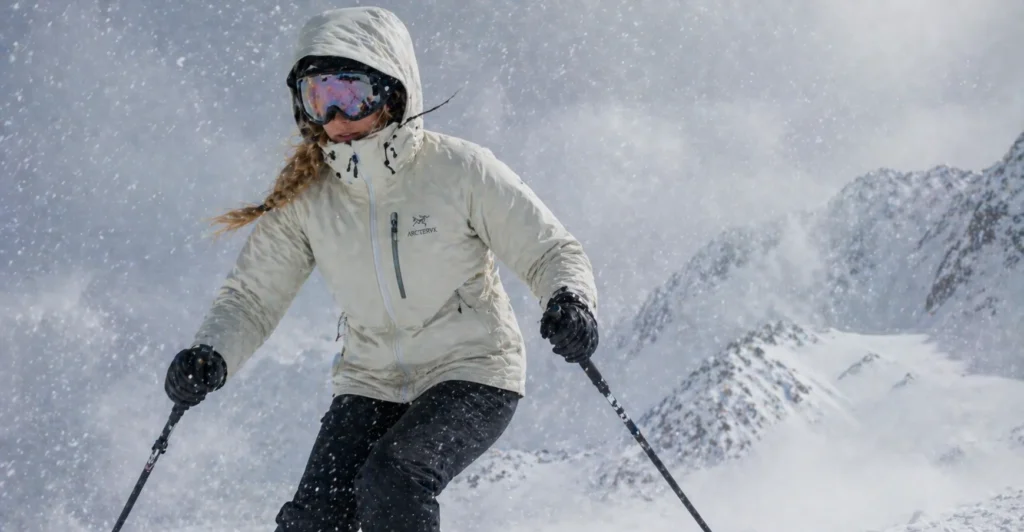
Your outer shell is your shield against the elements. It blocks wind, repels snow, and features vents to dump excess heat when you work up a sweat.
- Hardshell Jackets: These are thin, highly waterproof, and windproof jackets. They offer no insulation on their own, requiring you to dial in your mid-layers perfectly.
- Insulated Jackets: These combine a waterproof outer shell with built-in insulation. They are perfect for beginners or skiers who run cold.
- Softshell Jackets: Made from stretchy, breathable fabric, these are ideal for dry, mild spring skiing but lack the waterproofing needed for heavy snow.
Essential Components of a Skifahrer Outfit
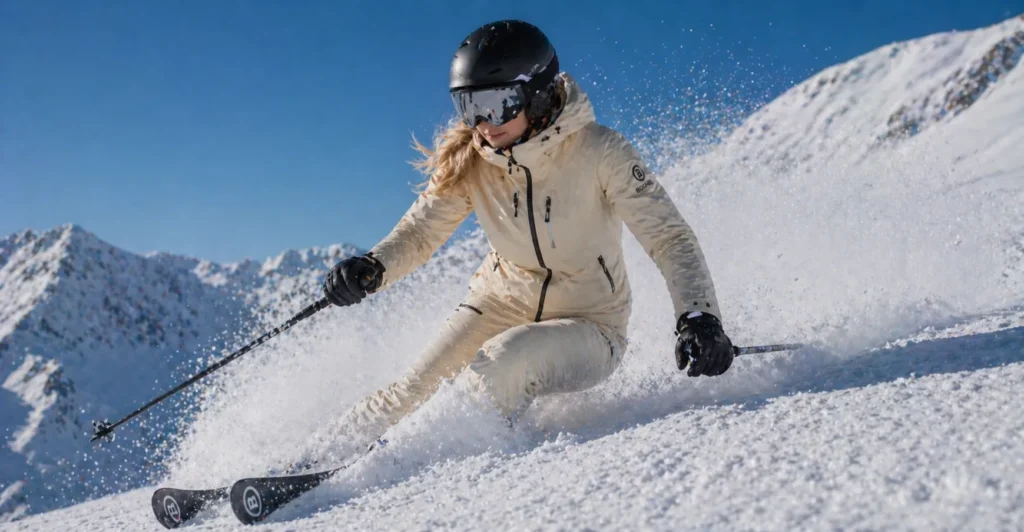
Beyond the basic layering system, specific garments make up the traditional ski uniform. Choosing high-quality pieces ensures you stay comfortable from the first chair to the après-ski lodge.
Ski Pants and Bibs
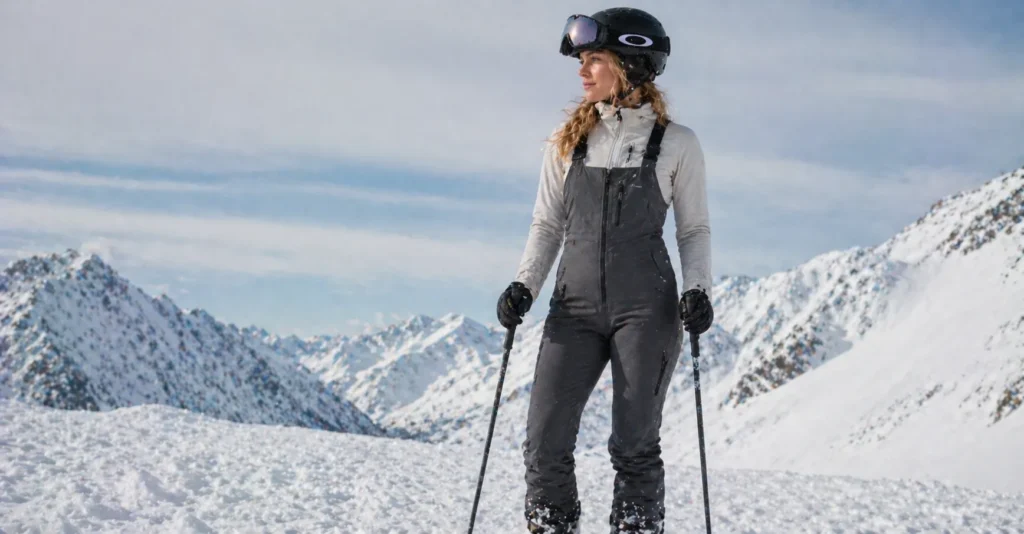
Your legs do most of the work while skiing, so your pants need to offer mobility, warmth, and waterproof protection.
- Standard Ski Pants: These fit like regular trousers and offer excellent freedom of movement. Look for options with reinforced cuffs to protect against sharp ski edges.
- Ski Bibs: Bibs feature suspenders and extend up your torso. They provide an extra layer of warmth around your core and completely block snow from sneaking down your back if you fall.
The Importance of Waterproof Ratings
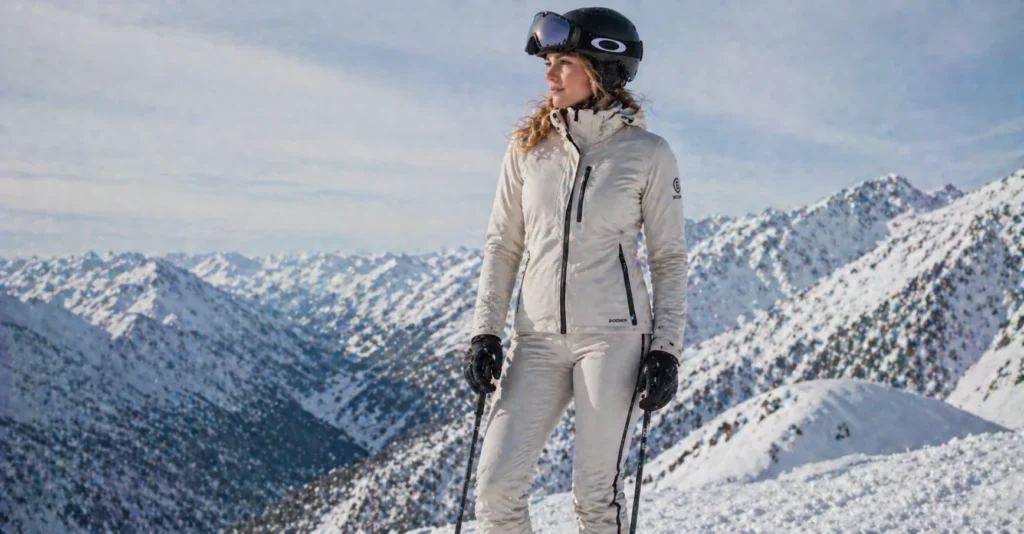
When shopping for outerwear, pay attention to the waterproof rating, usually measured in millimeters (mm).
- 5,000mm – 10,000mm: Suitable for light snow and fair weather.
- 10,000mm – 15,000mm: Solid protection for moderate snow and average mountain conditions.
- 20,000mm+ (e.g., Gore-Tex): Premium protection for heavy, wet snow and severe storms.
Crucial Accessories for the Mountain
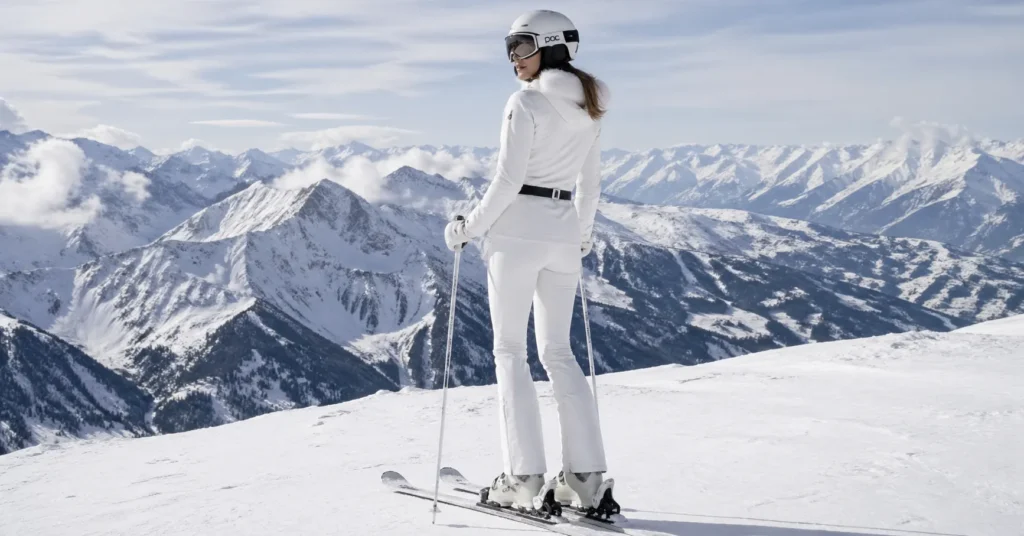
A skifahrer outfit remains incomplete without the right accessories. These small items make a massive difference in your overall comfort and safety.
Protecting Your Extremities
Your hands and feet are the first body parts to get cold. Investing in quality gear here is non-negotiable.
- Ski Socks: Buy true ski-specific socks made of merino wool. They should rise above your ski boots. Never wear two pairs of socks, as this restricts blood flow and actually makes your feet colder.
- Gloves vs. Mittens: Gloves offer better dexterity for adjusting buckles and holding poles. Mittens keep your fingers together, generating more shared body heat, making them superior for extremely cold days.
Headgear and Vision
Visibility and head protection are paramount when sliding down a mountain at high speeds.
- The Ski Helmet: Always wear a helmet. Look for one featuring MIPS (Multi-Directional Impact Protection System) technology, which reduces rotational forces during a crash.
- Ski Goggles: Your goggles protect your eyes from snow, wind, and harmful UV rays bouncing off the white snow. Look for goggles with interchangeable lenses so you can adapt to flat light or bright sunshine.
Capturing the Authentic Alpine Aesthetic
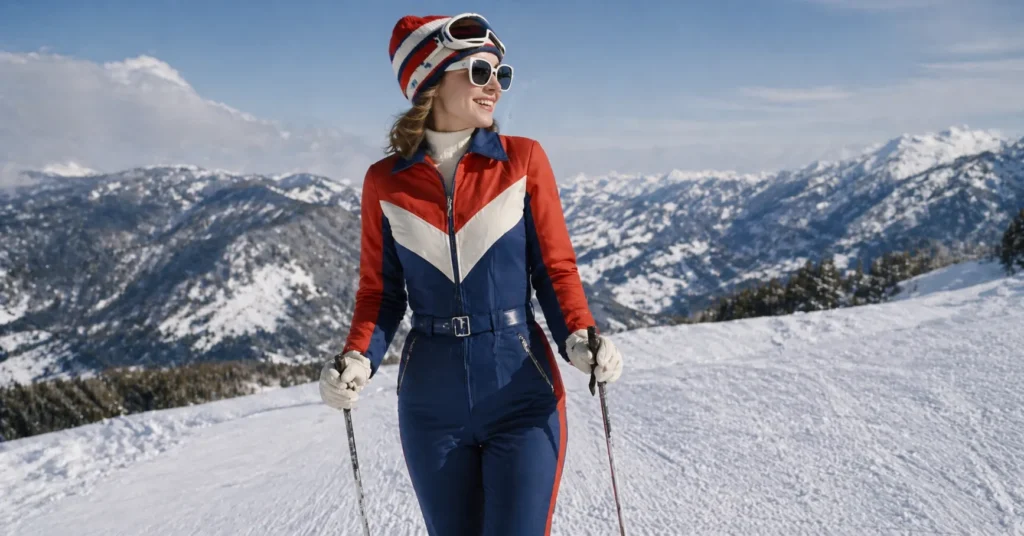
The term “skifahrer” originates from the German-speaking Alpine regions of Europe. Channeling this authentic European ski aesthetic involves blending technical performance with sleek, sophisticated styling.
Tailored Fits Over Baggy Styles
While North American ski fashion often leans toward loose, baggy snowboard-inspired gear, the European Alpine look is much more tailored. Jackets feature contoured cuts that hug the torso. Ski pants offer a slim, streamlined silhouette that flatters the leg while still allowing for a full range of motion.
Classic Color Palettes
To capture the true skifahrer elegance, stick to intentional color choices.
- Monochrome: An all-black or all-white outfit looks incredibly chic and timeless against the snowy backdrop.
- Retro Brights: Pay homage to vintage 80s and 90s ski culture by incorporating bold color blocks, such as primary red, royal blue, or mustard yellow, paired with neutral pants.
- Earth Tones: Olive green, navy, and deep burgundy offer a modern, sophisticated twist on mountain wear.
How to Care for Your Ski Apparel
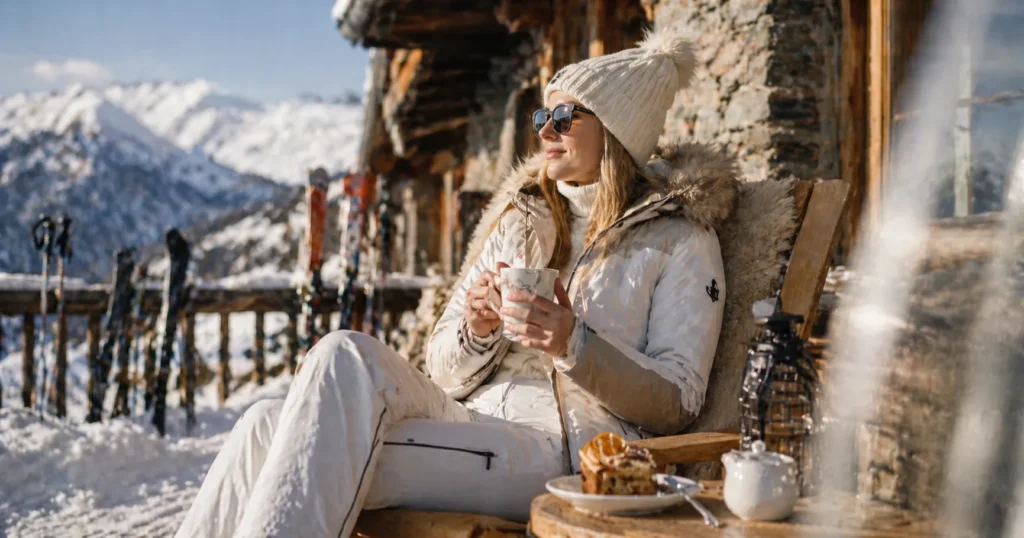
Ski clothing is an investment. Proper maintenance extends the life of your gear and ensures it continues to perform well season after season.
Always wash your base layers after every trip to prevent bacterial buildup. However, you should wash your waterproof outer layers sparingly. When you do wash them, use a technical detergent specifically designed for waterproof membranes. Regular laundry detergent strips away the Durable Water Repellent (DWR) coating. After washing, you can reapply a DWR spray and tumble dry the garment on low heat to reactivate the waterproofing.
Conclusion
Assembling the perfect skifahrer outfit requires thoughtful planning and an understanding of mountain environments. By mastering the three-layer system, prioritizing waterproof materials, and investing in high-quality accessories, you ensure your time on the slopes is safe and enjoyable. Embrace the sleek, tailored aesthetics of classic Alpine styling, and you will look just as good carving down the piste as you do relaxing at the après-ski lodge. Gear up wisely, and enjoy the winter season to its fullest.
Frequently Asked Questions (FAQs)
1. What does the term “skifahrer” mean?
“Skifahrer” is the German word for skier. When discussing a “skifahrer outfit,” it generally refers to the complete ensemble of clothing and gear worn by a skier, often nodding to traditional or tailored European Alpine fashion.
2. Why do I need to avoid cotton base layers?
Cotton absorbs sweat and holds moisture tightly against your skin. In freezing temperatures, this wet fabric causes your body temperature to drop rapidly, which can lead to severe chills or hypothermia.
3. Are bibs better than standard ski pants?
Bibs offer superior protection against snow entering your clothing, especially in deep powder or after a fall. They also provide extra core warmth. However, standard pants are easier to put on and take off for bathroom breaks.
4. How many layers should I wear skiing?
You should generally wear three layers: a moisture-wicking base layer, an insulating mid-layer, and a waterproof outer shell. You can add or remove the mid-layer depending on the temperature.
5. What is a good waterproof rating for a ski jacket?
For reliable protection in most winter conditions, look for a waterproof rating of at least 10,000mm. If you frequently ski in heavy, wet snow, aim for 20,000mm or higher.
6. Do I really need to wear a ski helmet?
Yes. A ski helmet drastically reduces the risk of severe head injuries. Modern helmets are also incredibly warm and comfortable, often eliminating the need to wear a beanie underneath.
7. Can I wear sunglasses instead of ski goggles?
While sunglasses are fine for lounging at the lodge or slow spring skiing, they do not seal against your face. Goggles prevent wind from making your eyes water and offer superior protection during snowstorms.