The Scarf Coat: Your Ultimate Guide to Effortless Winter Style
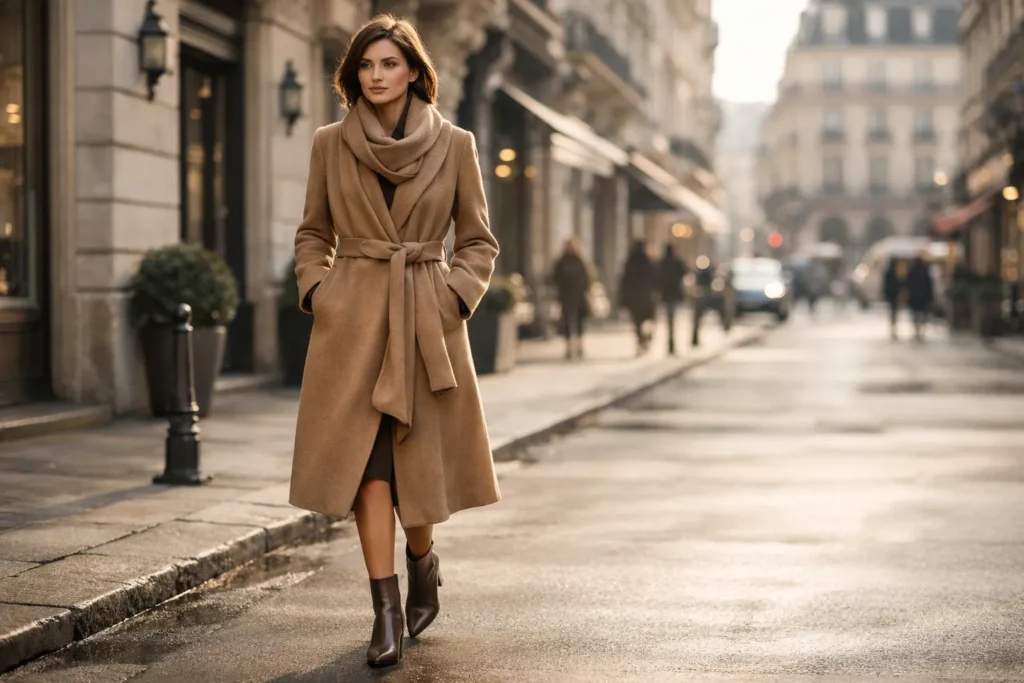
Welcome to the ultimate guide on one of the most elegant and functional pieces in modern outerwear: the scarf coat. This innovative design combines the warmth and comfort of a high-quality coat with the chic, built-in accessory of a scarf. It’s a statement piece that solves the age-old problem of coordinating your winter accessories. More than just a trend, the scarf coat represents a fusion of practicality and high fashion, offering a seamless look that is both sophisticated and incredibly cozy. Whether you’re navigating a brisk city morning or heading out for an elegant evening, this garment promises to elevate your style while keeping you comfortably warm.
In this comprehensive guide, we will explore every facet of the scarf coat. We’ll delve into its origins, break down the different styles available, and provide practical advice on how to choose the perfect one for your body type and lifestyle. You will learn expert styling tips, care instructions, and discover why this versatile piece deserves a permanent place in your cold-weather wardrobe.
What Exactly Is a Scarf Coat?
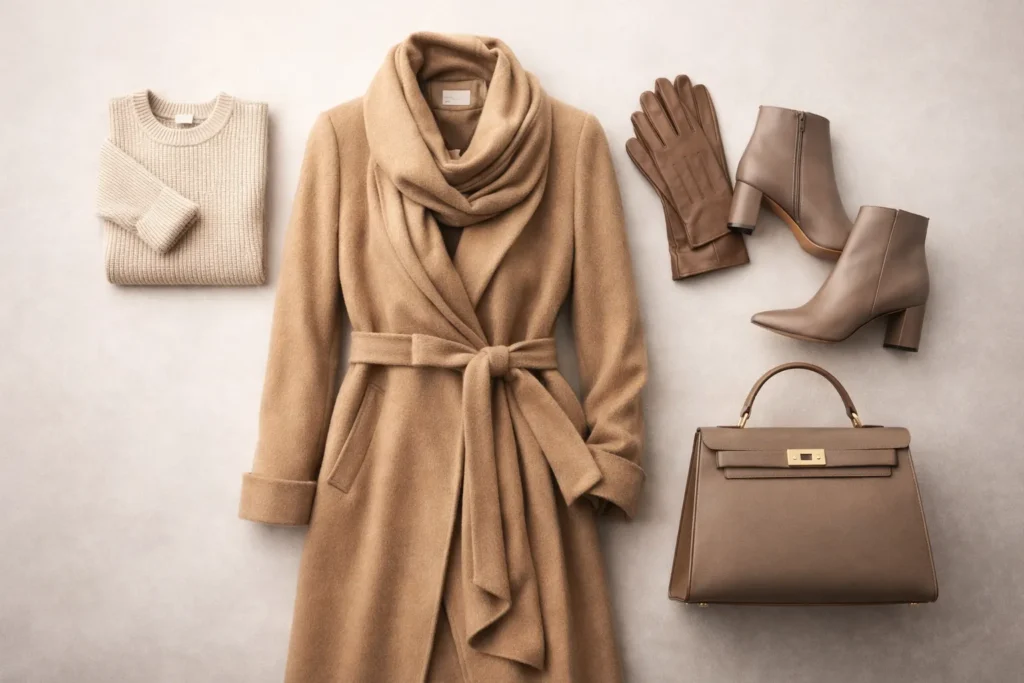
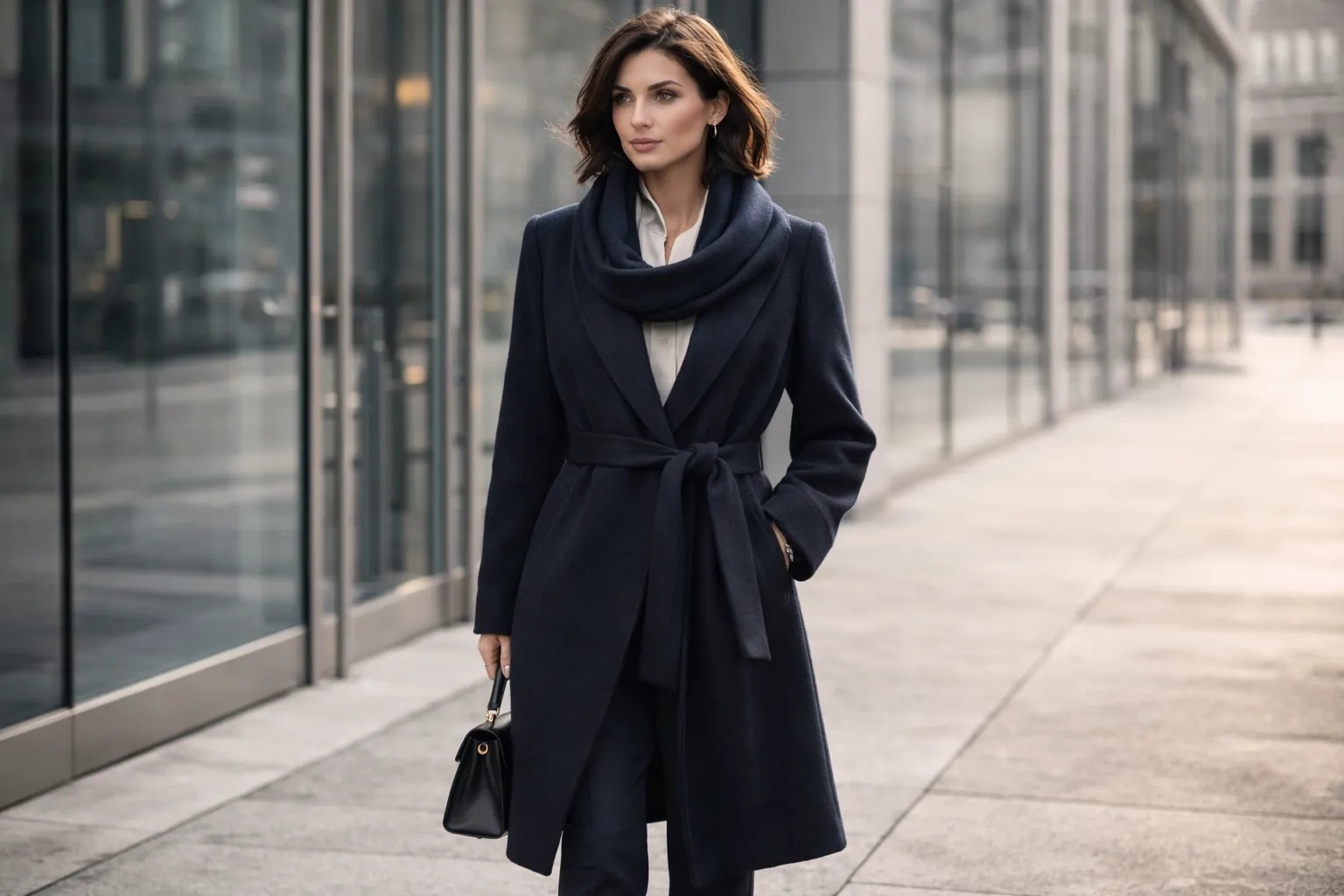
A scarf coat, sometimes called a draped-neck coat or a scarf-neck jacket, is a type of outerwear distinguished by its integrated scarf detail. This isn’t a separate accessory you add; the scarf is part of the coat’s construction, often flowing directly from the collar or lapels. This design creates a cohesive and fluid silhouette that is effortlessly elegant.
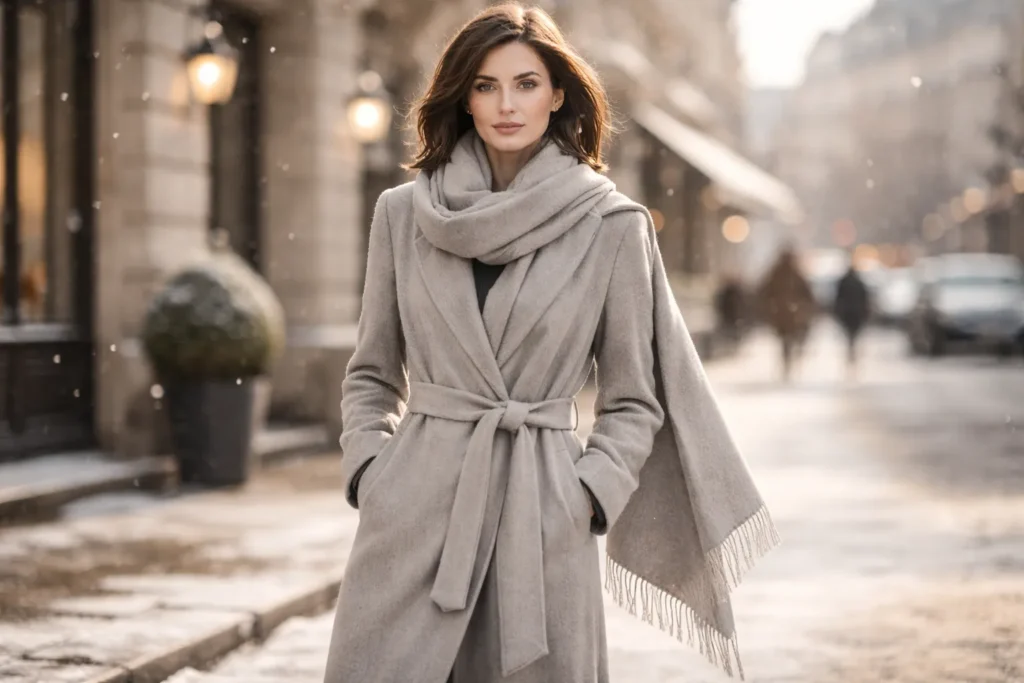
The integrated scarf can be worn in multiple ways: draped loosely over the shoulders for a relaxed look, wrapped snugly around the neck for extra warmth, or tied creatively to make a unique fashion statement. This built-in versatility is the key appeal of the garment. It eliminates the need to find a matching scarf, simplifying your winter wardrobe while ensuring you always look put-together.
The Evolution of the Scarf Coat
While the concept feels modern, the idea of integrated neck coverings in outerwear has historical roots. Think of the high-collared greatcoats of the 19th century or the dramatic draped capes of early 20th-century fashion. These garments prioritized protecting the neck and chest from the elements.
The contemporary scarf coat, however, emerged as a high-fashion item in recent decades. Designers began experimenting with deconstructed and innovative tailoring, leading to the creation of coats with extended panels that could be styled like a scarf. This fusion of form and function quickly caught on, transitioning from the runway to mainstream fashion. Today, it’s celebrated as a sophisticated and intelligent design that blends style with practical warmth, making it a favorite among fashion editors and style-conscious individuals.
Why a Scarf Coat is a Wardrobe Essential
Investing in a quality scarf coat is a smart move for any wardrobe. Its benefits extend far beyond just looking good. Here are the key reasons why this piece is considered an essential for the colder months.
Effortless Coordination
One of the biggest morning challenges in winter is picking accessories that complement your outerwear. A scarf coat solves this instantly. Because the scarf is part of the coat, the color and fabric are perfectly matched. This creates a polished, harmonious look with zero effort. It’s a grab-and-go solution for looking chic on even the busiest days.
Unmatched Versatility
The true beauty of a scarf coat lies in its adaptability. You can style the built-in scarf in numerous ways depending on the weather, occasion, or your mood.
- For Maximum Warmth: Wrap the scarf tightly around your neck, tucking in the ends to seal out the cold wind.
- For a Casual Look: Let the scarf hang loose and open at the front, creating long, vertical lines that can be very flattering.
- For a Touch of Drama: Drape one end of the scarf over your shoulder for an asymmetrical, high-fashion look.
- For a Polished Finish: Tie it in a simple knot or a stylish loop to add a point of interest to your outfit.
This single garment can provide multiple looks, giving you more options from one piece of clothing.
Functional Warmth
The primary job of a winter coat is to keep you warm, and the scarf coat excels at this. The integrated scarf provides an extra layer of protection for your neck and chest, areas where body heat is often lost. By sealing this gap, the coat offers superior insulation compared to a standard coat and separate scarf combination. Materials like wool, cashmere, and alpaca blends further enhance its ability to shield you from the cold.
A Flattering Silhouette
Many scarf coats are designed with a focus on creating a flattering shape. The long, draping lines of the scarf can create a vertical illusion, which helps to elongate the body and create a leaner appearance. Belted styles are particularly effective, as they cinch the waist and create an elegant hourglass figure, balancing the volume of the coat and scarf.
How to Choose the Perfect Scarf Coat
With so many options available, finding the right scarf coat can seem daunting. Consider these factors to make a choice you’ll love for years to come.
Consider the Material
The fabric of your coat determines its warmth, feel, and durability.
- Wool and Wool Blends: This is the most popular choice for a reason. Wool is a natural insulator that is breathable and durable. A 100% wool coat offers exceptional warmth, while a wool blend (often mixed with polyester, nylon, or acrylic) can offer durability and a lower price point. Look for a high wool percentage for the best quality.
- Cashmere: For ultimate luxury and softness, nothing beats cashmere. It is incredibly lightweight yet provides superior warmth. A 100% cashmere coat is a significant investment, but cashmere blends offer a similar soft feel with added resilience.
- Alpaca: Similar to cashmere in softness and warmth, alpaca is another luxurious natural fiber. It’s known for being hypoallergenic and water-resistant, making it a practical and high-end choice.
- Trench and Technical Fabrics: For milder climates or transitional seasons, you can find scarf coats made from lighter materials like cotton gabardine (classic trench fabric) or modern technical blends. These are great for a stylish layer without the heavy insulation.
Find the Right Style and Cut
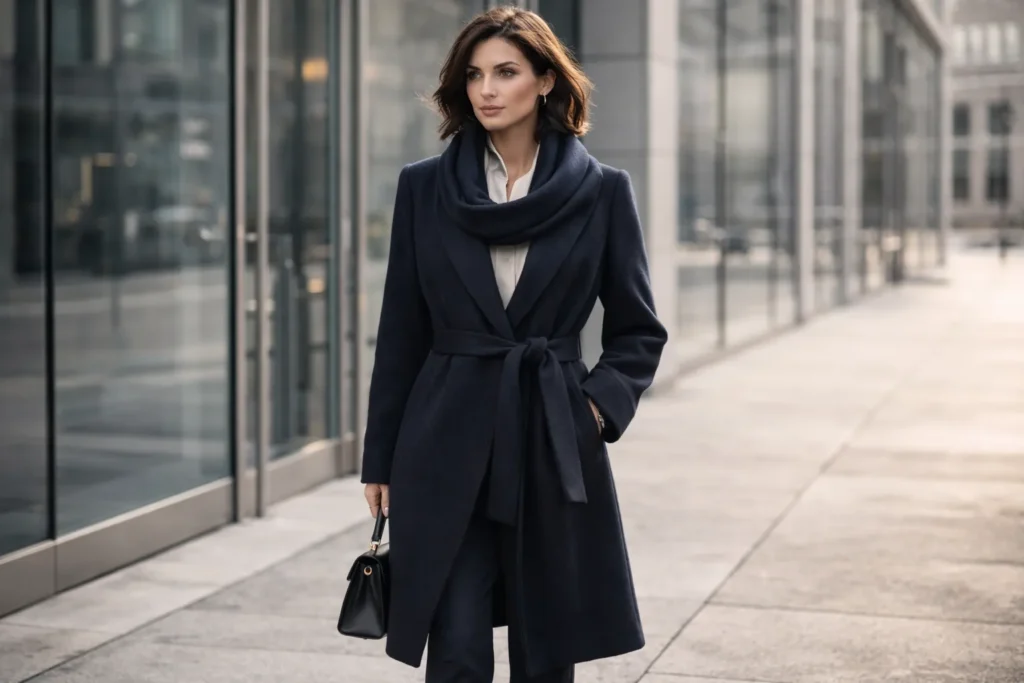
The silhouette of the coat should complement your body shape and personal style.
- The Belted Wrap Coat: This is perhaps the most iconic scarf coat style. The belt defines the waist, creating a feminine and sophisticated silhouette that flatters most body types. The wrap design is forgiving and easy to wear over other layers.
- The Single-Breasted Coat: A more streamlined and minimalist option, the single-breasted scarf coat offers a clean, modern look. It’s perfect for those who prefer understated elegance.
- The Oversized Coat: Reflecting a more contemporary, relaxed trend, the oversized scarf coat provides a comfortable, fashion-forward aesthetic. Pair it with slim-fit trousers or leggings to balance the proportions.
- The Short Scarf Jacket: A cropped version of the scarf coat is a great choice for petite frames or for a more casual, everyday look. It pairs beautifully with high-waisted jeans and dresses.
Choosing the Best Color
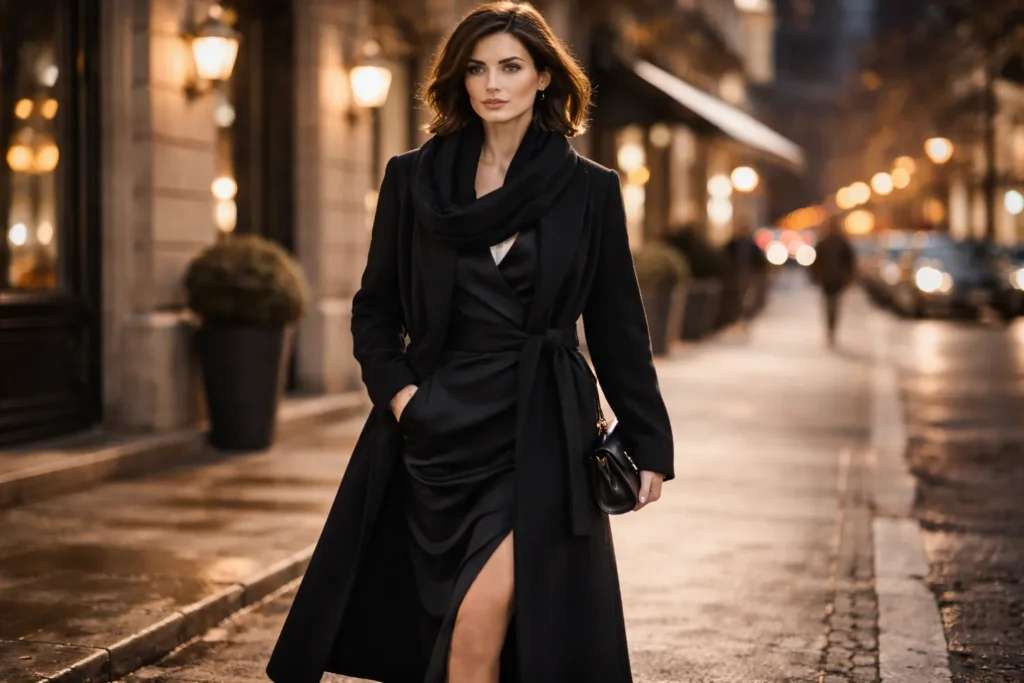
While personal preference is key, some colors offer more versatility than others.
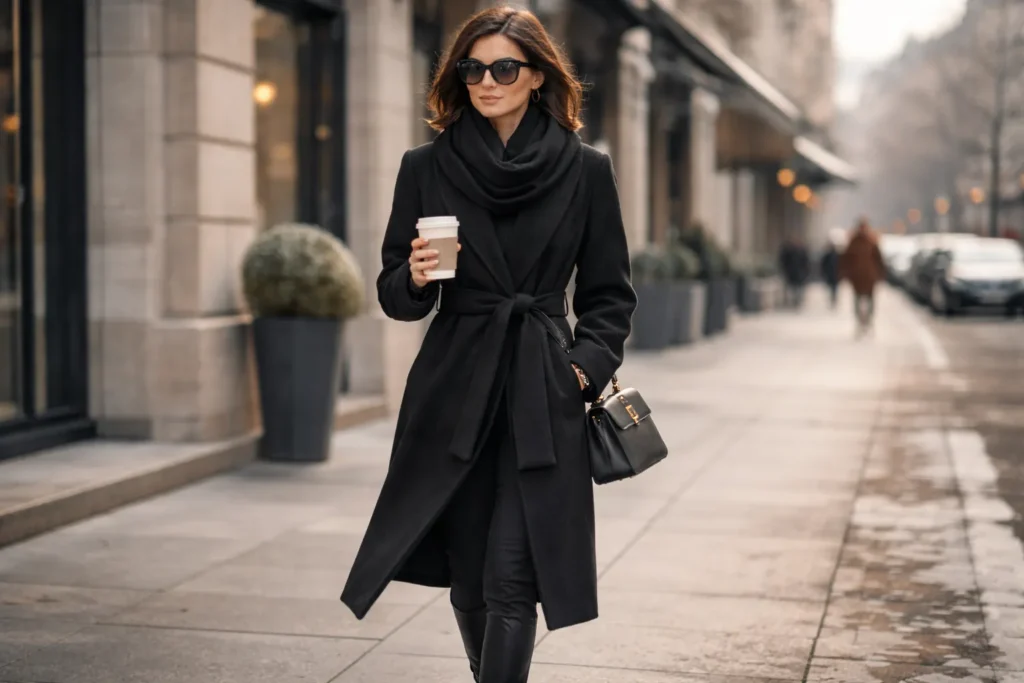
- Classic Neutrals: You can never go wrong with a scarf coat in black, camel, navy, or grey. These timeless shades will coordinate with almost everything in your wardrobe and will not go out of style. A camel scarf coat, in particular, exudes a timeless luxury.
- Bold Colors: If you already own a neutral coat, consider a scarf coat in a rich, saturated color like emerald green, burgundy, or deep red. It can act as the statement piece of your entire outfit.
- Patterns: A plaid or houndstooth scarf coat can add a touch of classic, preppy style to your look. Just be mindful that a patterned coat is less versatile than a solid-colored one.
Styling Your Scarf Coat: Tips and Inspiration
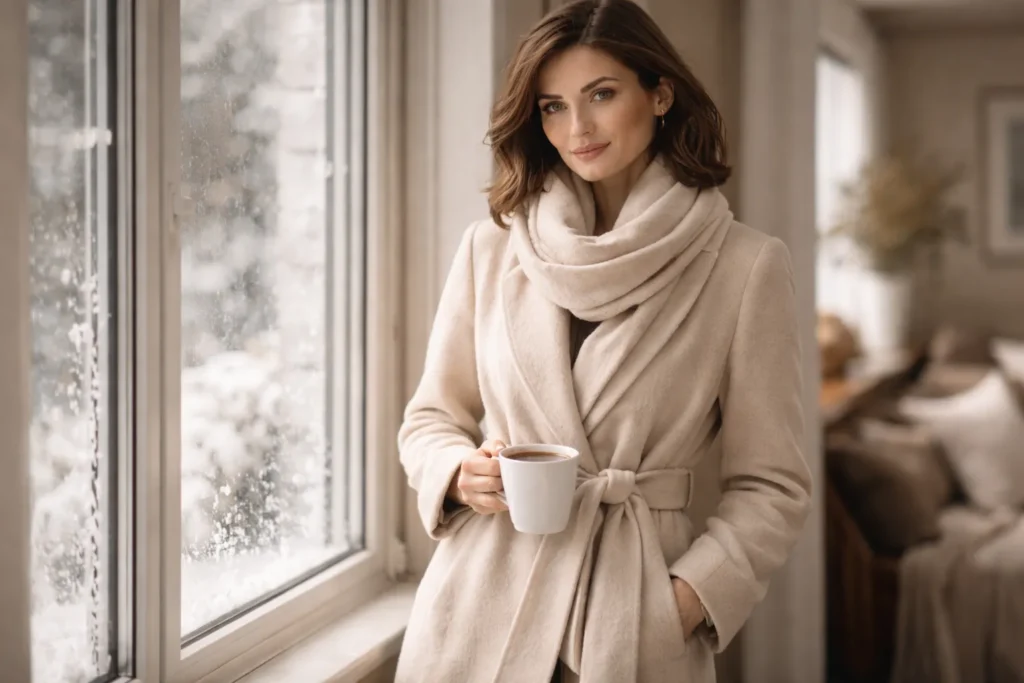
The scarf coat is a statement piece, but it’s surprisingly easy to style. The key is to let the coat be the focus of your outfit.
For a Casual Daytime Look
For running errands or a casual weekend brunch, create a look that is both comfortable and stylish.
- Outfit: Pair your scarf coat with a simple fine-knit sweater, your favorite pair of straight-leg or skinny jeans, and ankle boots.
- Styling the Scarf: Let the scarf hang loose and open to create a relaxed, effortless vibe.
- Example: A camel belted scarf coat over a cream-colored turtleneck, blue jeans, and brown leather boots is a classic, foolproof combination.
For the Office
A scarf coat can easily be dressed up for a professional setting.
- Outfit: Wear it over tailored trousers and a silk blouse, or over a sleek knit dress.
- Styling the Scarf: Drape one side over the opposite shoulder or create a loose, simple knot at the front. This looks polished and intentional.
- Example: A grey wool scarf coat styled over black wide-leg trousers, a white button-down shirt, and classic pumps.
For an Elegant Evening Out
Elevate your look for dinner, a date, or a special event.
- Outfit: A scarf coat looks incredibly glamorous worn over an evening dress or a sophisticated jumpsuit.
- Styling the Scarf: Drape the scarf elegantly over your shoulders like a shawl. This is especially effective if your coat is made from a luxurious fabric like a cashmere blend.
- Example: A black scarf coat draped over a satin slip dress, paired with high heels and a clutch bag. The coat provides warmth without compromising the elegance of your evening wear.
Caring for Your Scarf Coat
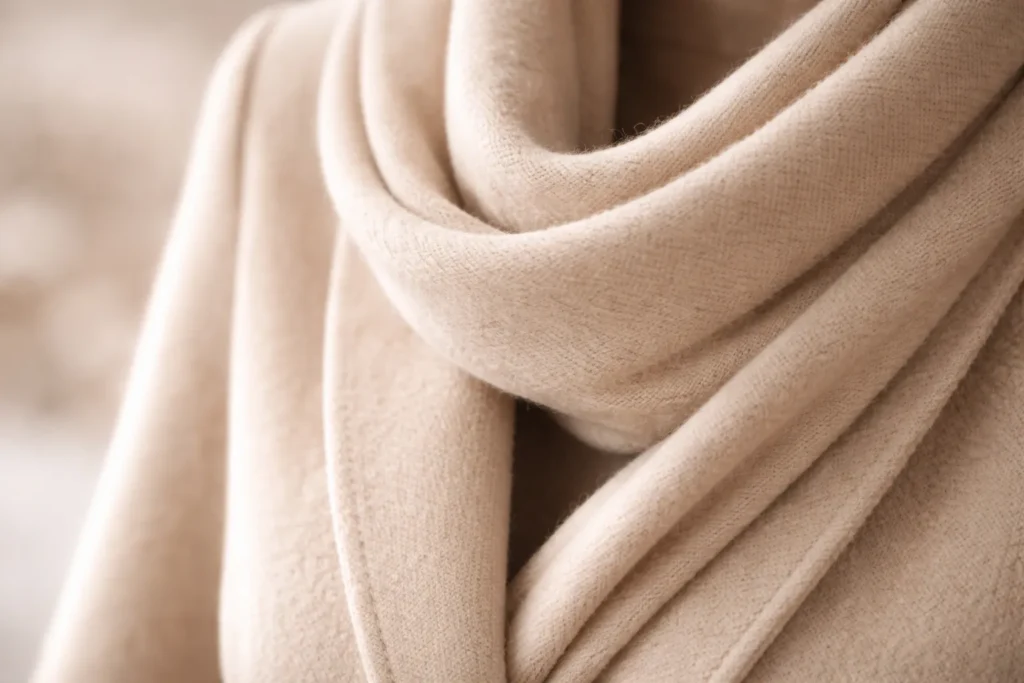
A high-quality coat is an investment, and proper care will ensure it lasts for many seasons.
Regular Maintenance
- Brushing: After wearing, gently brush your coat with a soft-bristled clothes brush. This removes surface dirt, dust, and lint, and helps keep the fabric’s nap smooth. Always brush downwards.
- Airing Out: Don’t put your coat away in a crowded closet immediately after wearing it, especially if it’s damp. Hang it on a sturdy hanger in a well-ventilated area for a few hours to allow any moisture to evaporate.
- Spot Cleaning: For small spills, act quickly. Blot the stain with a clean, dry cloth. Use a damp cloth with a small amount of mild detergent for stubborn spots, but always test on an inconspicuous area first.
Professional Cleaning
Most wool, cashmere, and high-quality blend coats should be professionally dry-cleaned. Do not attempt to wash them at home, as this can cause shrinking, misshaping, and damage to the fabric. Aim to have your coat dry-cleaned once a season, typically at the end of winter before you store it away.
Proper Storage
- Use a Sturdy Hanger: Always store your scarf coat on a wide, padded, or wooden hanger. A thin wire hanger can distort the shoulders over time.
- Give it Space: Avoid cramming your coat into an overstuffed closet. It needs space to hang freely to prevent wrinkling and crushing.
- Off-Season Storage: When storing your coat for the summer, ensure it is clean. Food stains and body oils can attract moths. Place it in a breathable garment bag (not plastic, which traps moisture) and store it in a cool, dry, and dark place. Adding cedar blocks or lavender sachets can help repel moths naturally.
Conclusion: The Ultimate Fusion of Fashion and Function
The scarf coat is more than just a fleeting trend; it is a testament to intelligent and timeless design. By seamlessly integrating the warmth of a scarf with the structure of a coat, it offers a level of effortless elegance and practicality that few other garments can match. Its versatility in styling, combined with its ability to provide superior warmth, makes it a truly valuable addition to any cold-weather wardrobe.
Whether you opt for a luxurious cashmere wrap coat, a classic belted wool version, or a modern oversized design, you are investing in a piece that will keep you warm, simplify your daily routine, and ensure you step out in style, season after season. It’s the one piece of outerwear that proves you don’t have to choose between looking good and feeling comfortable.
Frequently Asked Questions (FAQs)
Q1: Are scarf coats suitable for very cold climates?
Absolutely, The key is to choose a coat made from a warm material like 100% wool or a high-percentage wool or cashmere blend. The integrated scarf provides an extra layer of insulation around the neck, which is crucial for retaining body heat in frigid temperatures. When wrapped snugly, it can be even warmer than a separate scarf.
Q2: I am petite. Can I wear a scarf coat without it overwhelming my frame?
Yes, petite individuals can definitely wear a scarf coat. The trick is to choose the right proportions. Opt for a shorter or knee-length style rather than a full-length one. Look for belted versions that define your waist, and avoid overly bulky or oversized silhouettes. A single-breasted cut with a less voluminous scarf detail will also be more flattering.
Q3: How is a scarf coat different from a draped or waterfall coat?
While they can look similar, there is a key difference. A waterfall coat has wide, cascading lapels that create a draped effect at the front but do not typically have the extra length or shape to be wrapped around the neck like a scarf. A scarf coat is specifically designed with an extended panel that functions as a built-in scarf.
Q4: Can men wear scarf coats?
Yes, there are many scarf coat designs for men. They often feature a more structured, tailored look, sometimes resembling a greatcoat or officer’s coat with an extended collar piece that can be buttoned up high or wrapped for warmth. The principle of an integrated neck covering for style and function is unisex.
Q5: Is a scarf coat a timeless piece or a passing trend?
While its popularity has certainly surged in recent years, the scarf coat has all the hallmarks of a timeless piece. Its design is rooted in a classic and practical concept. By choosing a coat in a classic color (like camel, black, or navy) and a high-quality fabric, you ensure it will remain a stylish and relevant part of your wardrobe for many years to come, transcending seasonal trends.