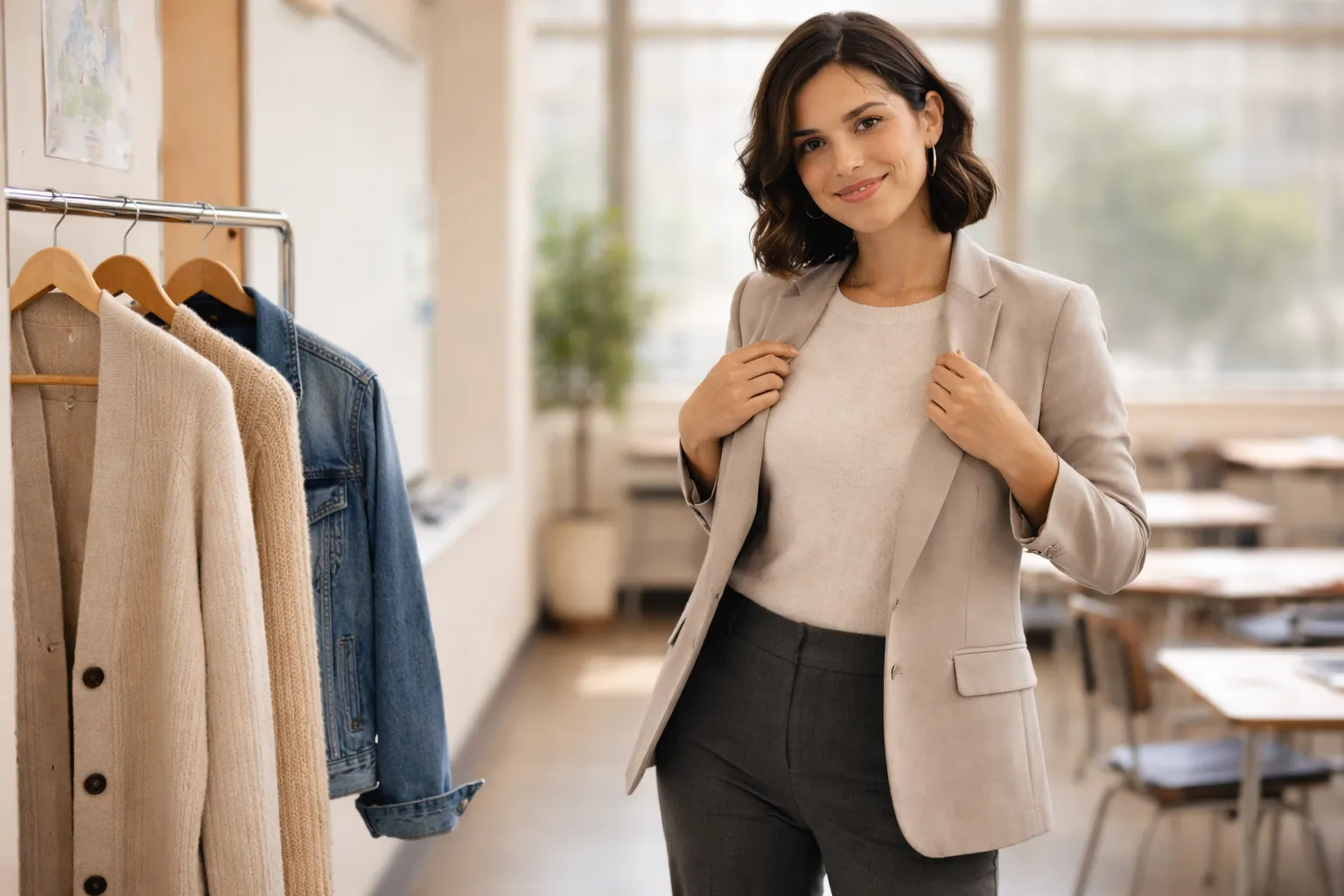
Teacher Outfit Guide: Comfort, Style & Classroom-Ready Looks
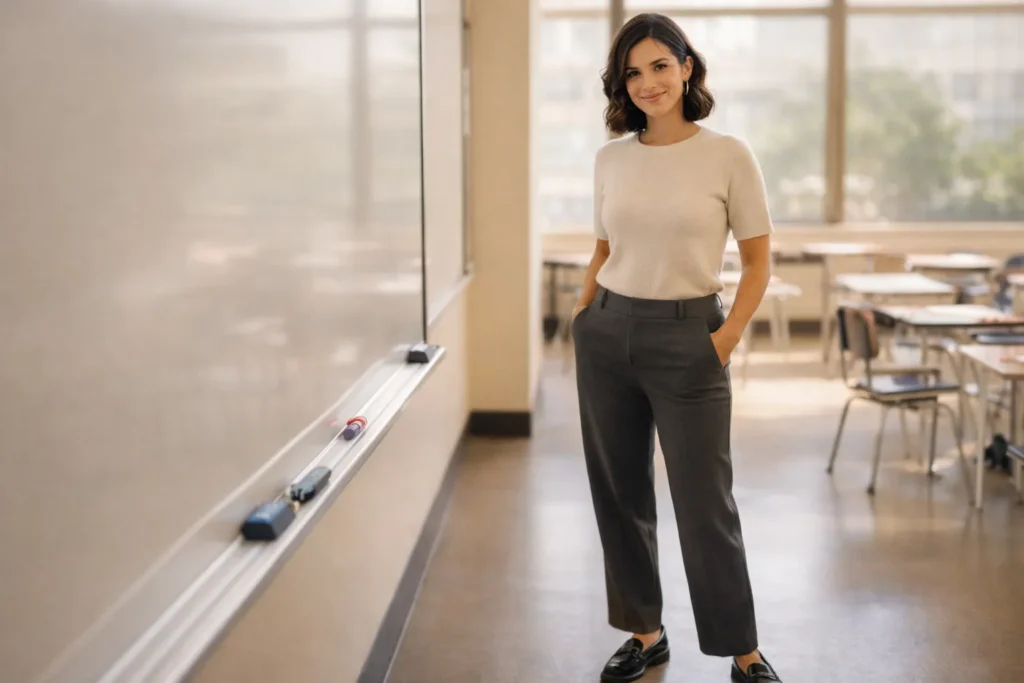
Teaching is a uniquely demanding profession that requires you to be a mentor, an entertainer, a mediator, and an expert all at once. With so many roles to play, your wardrobe needs to keep up. Finding the perfect teacher outfit is a daily puzzle that requires balancing professionalism, comfort, and personal style. You need clothes that allow you to crouch down to a student’s desk, write on a high whiteboard, and still look presentable for a surprise parent-teacher conference.
Dressing for the classroom isn’t just about adhering to a dress code; it’s about building a functional and confidence-boosting wardrobe that works as hard as you do. Forget the outdated stereotypes of apple-print sweaters. Today’s educators have access to a world of fashion that is both practical and stylish. This guide will provide you with a blueprint for curating the ultimate teacher wardrobe, from foundational staples to seasonal must-haves, ensuring you feel comfortable and empowered every day of the school year.
The Philosophy of Teacher Fashion: The Three Cs
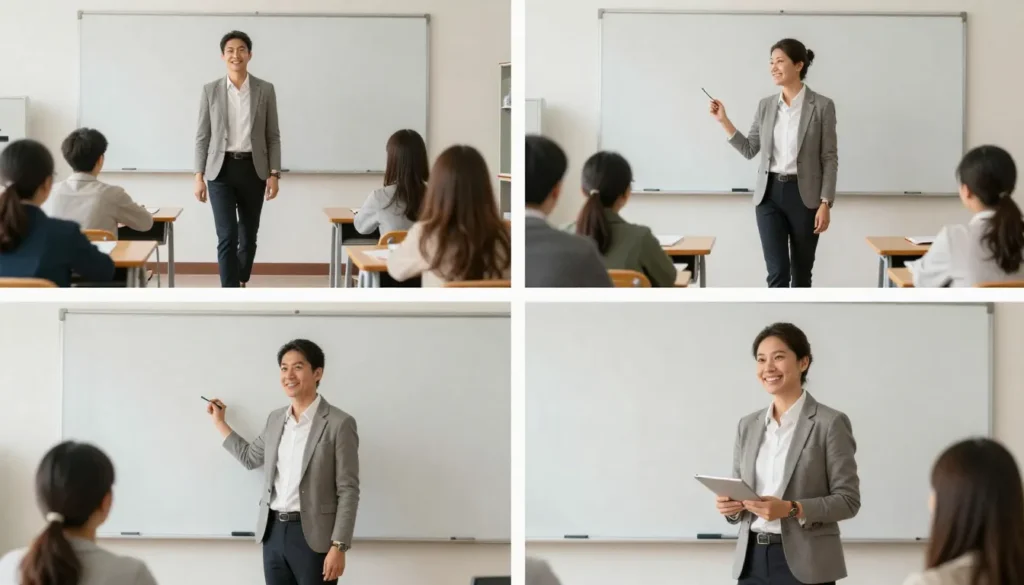
Before you build your wardrobe, it’s essential to understand the core principles of dressing for the classroom. Every great teacher outfit is built on three pillars: Comfort, Confidence, and Credibility.
Comfort
You are on your feet for hours, moving constantly. Your clothing cannot be restrictive. Comfort means:
- Breathable Fabrics: Materials like cotton, linen, and viscose blends that won’t leave you feeling stuffy.
- Stretch: A bit of spandex or elastane in your pants and tops is a game-changer, allowing you to move freely.
- Supportive Footwear: This is non-negotiable. Comfortable shoes prevent back pain and fatigue.
Confidence
When you feel good in your clothes, it shows. Your outfit should be an extension of your personality. A great outfit can boost your mood and give you the extra energy needed to get through a challenging afternoon. This is where personal style—colors, patterns, and silhouettes you love—comes into play.
Credibility
Your attire sends a message to students, parents, and administrators. It should convey professionalism and authority. This doesn’t mean you need to wear a suit every day, but your clothing should be neat, clean, and appropriate for an educational setting. It should command respect without being intimidating.
Building Your Capsule Wardrobe: The Teacher Staples
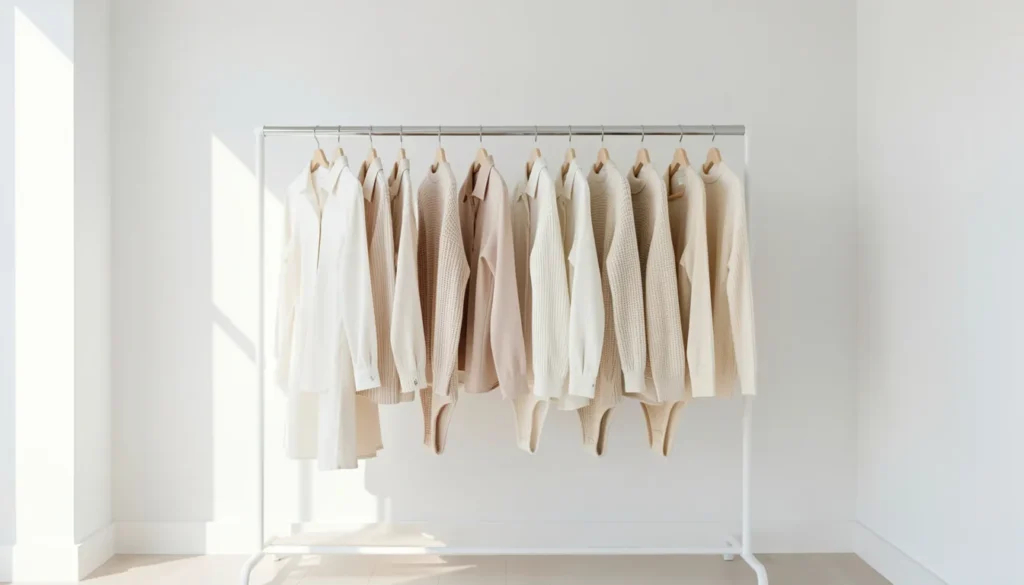
A capsule wardrobe is a collection of essential items that can be mixed and matched to create numerous outfits. This approach saves time, money, and morning stress. Here are the must-have pieces for any teacher’s closet.
Quality Bottoms
This is the foundation of your wardrobe. Invest in a few pairs of high-quality pants that will last.
- The Perfect Trousers: Look for styles like the “paper-bag waist,” wide-leg crops, or classic straight-leg chinos. Colors like black, navy, olive green, and camel are incredibly versatile.
- Elevated Denim: If your school’s dress code allows, dark-wash, non-distressed jeans are a fantastic staple, especially for casual Fridays.
- Midi Skirts: Pleated, A-line, or simple knit midi skirts offer a feminine and comfortable alternative to pants. They are long enough to be modest when bending down.
Versatile Tops
Your tops offer the most opportunity to inject personality.
- The Classic Blouse: A simple button-down or a silky blouse can be tucked into any pair of pants or a skirt.
- Knit Sweaters: Fine-gauge sweaters in merino wool or cashmere blends are perfect for layering. Crewnecks and V-necks are timeless.
- Bodysuits: A simple, long-sleeve bodysuit ensures your top stays perfectly tucked in all day, creating a clean, polished line.
The “Third Piece” Completer

The third piece is the layer that ties an outfit together and adds a professional touch.
- Blazers: A structured blazer instantly elevates a t-shirt and jeans. A knit blazer (or “jardigan”) offers the look of a blazer with the comfort of a cardigan.
- Cardigans: The quintessential teacher outfit staple. Long duster cardigans are cozy and stylish, while classic button-front cardigans are great for layering over dresses.
- Denim Jackets: A classic denim jacket is perfect for a more casual look, field trips, or layering over a dress.
The One-and-Done Dress

On days when you don’t have the mental energy to coordinate an outfit, a dress is your best friend.
- The Shirt Dress: Professional, comfortable, and easy to style with a belt.
- The Knit Midi Dress: Stretchy and comfortable, this style can be dressed up with a blazer or down with sneakers.
- The A-Line Dress: Universally flattering, this silhouette is fitted at the top and flows away from the body, allowing for easy movement.
Footwear: The Most Important Investment
You can log thousands of steps in a single school day. Your shoes must be supportive.
Comfortable and Stylish Shoe Options
- Leather Loafers: Polished, professional, and comfortable. They work with trousers, jeans, and skirts.
- Ankle Boots: A low-heeled leather or suede bootie is perfect for fall and winter.
- Pointed-Toe Flats: A pointed toe elongates the leg and looks more professional than a round-toe ballet flat.
- Supportive Sneakers: In many schools, clean, minimalist fashion sneakers (not athletic gym shoes) are acceptable. Brands known for comfort are ideal.
- Clogs and Mules: Easy to slip on and off, these provide support and a professional look.
Accessorizing Your Teacher Outfit
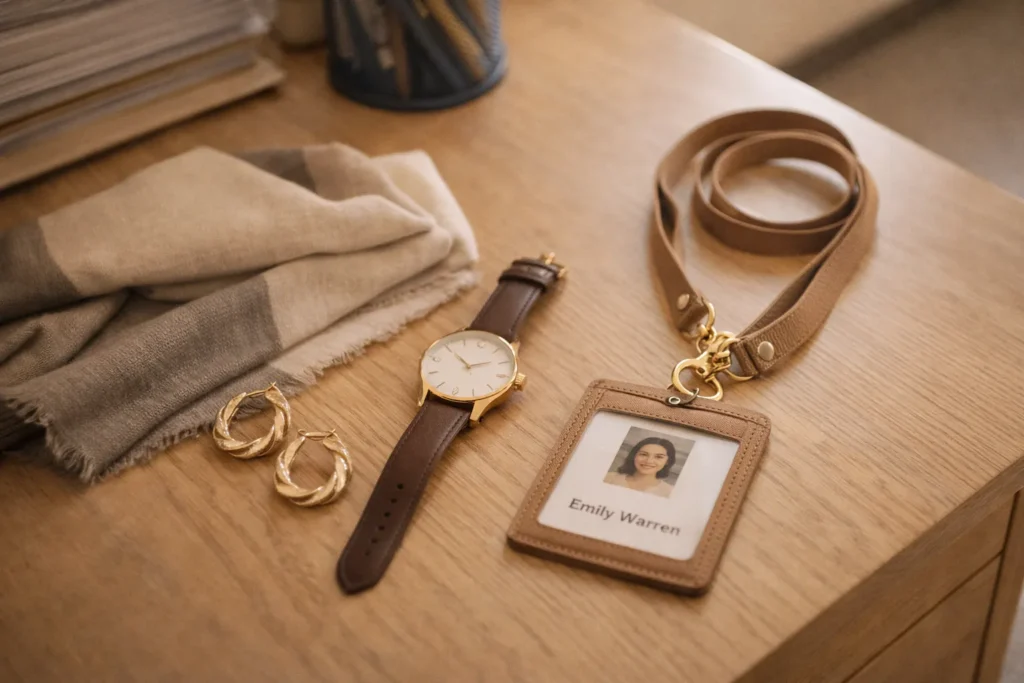
Accessories are where you can truly let your personality shine without compromising professionalism.
Jewelry
- Statement Earrings: Fun, colorful earrings can brighten up a simple outfit.
- Layered Necklaces: Delicate necklaces add a touch of polish.
- A Classic Watch: A watch is both functional for keeping time and a stylish accessory.
Lanyards and Badge Holders
You have to wear an ID, so make it part of your outfit. A stylish beaded lanyard or a cute badge reel is a small detail that makes a big difference.
Belts
A belt can cinch the waist of a dress or add a pop of color to a neutral outfit of trousers and a top.
Scarves
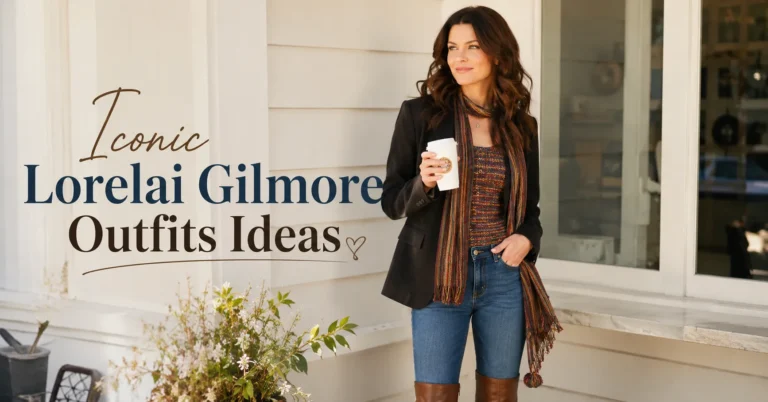
A lightweight scarf can add color and pattern to a simple look and provides extra warmth in a cold classroom.
Navigating School Dress Codes

Every school has a different dress code, ranging from formal to very relaxed.
Understanding the Rules
- Read the Handbook: Your first step should always be to consult the employee handbook for specific guidelines.
- Observe Your Colleagues: When you first start, observe what veteran teachers and administrators are wearing. This will give you a good baseline.
Common Dress Code Restrictions
- No Ripped Jeans: Even in schools that allow denim, it almost always must be free of rips and distressing.
- Shoulder Coverage: Many schools require shoulders to be covered, so tank tops or spaghetti straps may need a layer over them.
- Fingertip-Length Rule: A common rule for skirts and shorts is that they must be at least as long as your fingertips when your arms are at your sides.
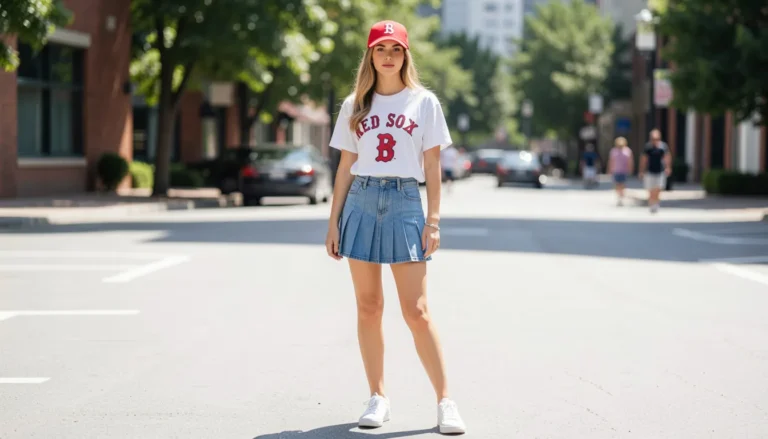
- No Graphic Tees: T-shirts with large logos, slogans, or inappropriate graphics are usually forbidden.
Seasonal Teacher Outfits
Your wardrobe needs to adapt to the changing seasons and classroom temperatures.
Fall
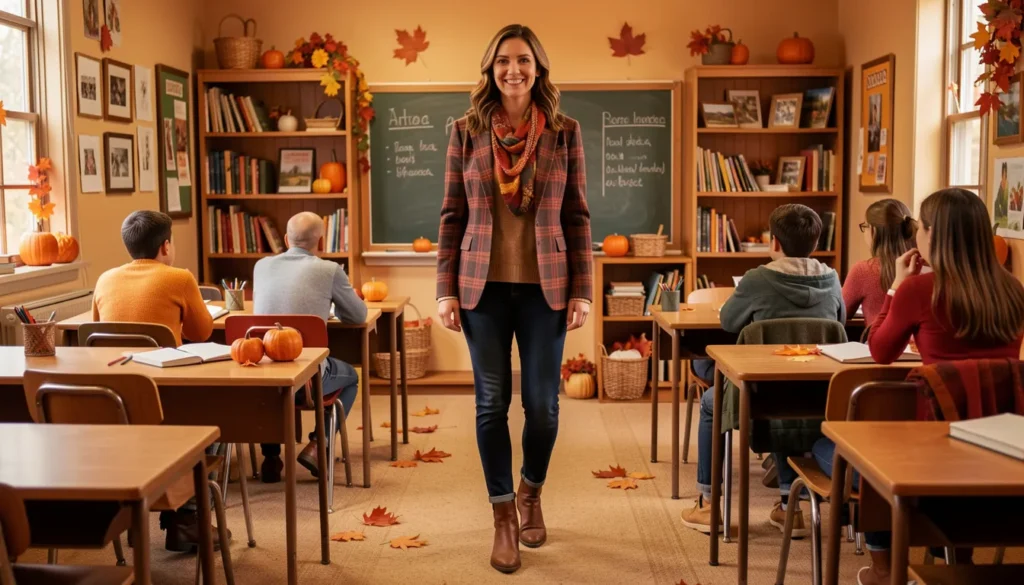
This is prime layering season.
- Look Idea: Dark-wash jeans, a simple cream top, a plaid blazer, and tan ankle boots.
- Key Pieces: Corduroy pants, tweed blazers, and lightweight scarves.
Winter
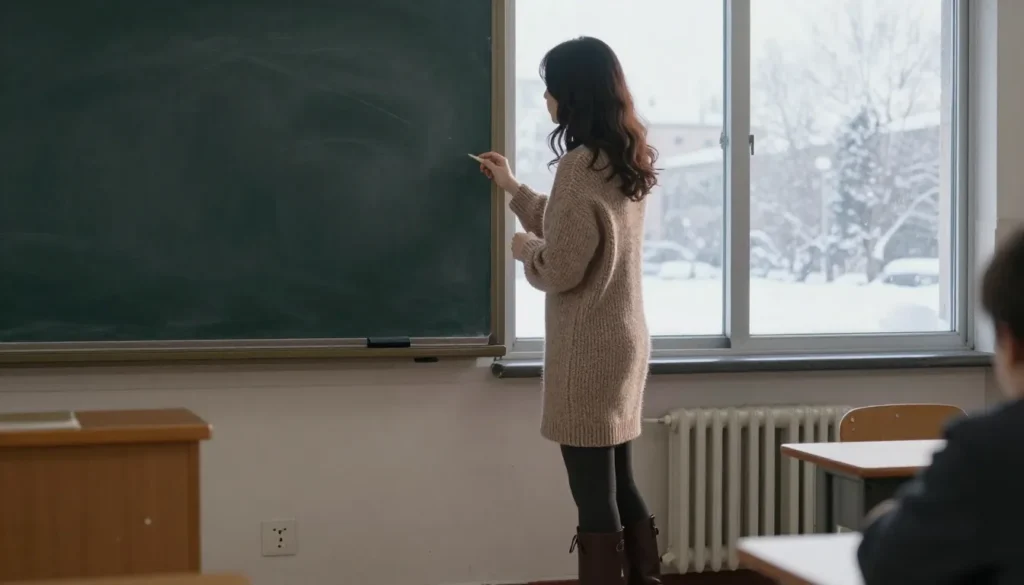
Focus on warmth without bulk.
- Look Idea: Black knit dress, fleece-lined tights, knee-high boots, and a long wool cardigan.
- Key Pieces: Turtlenecks, fleece-lined leggings (to wear under dresses), and warm, waterproof boots for the commute.
Spring

Bring back color and lighter fabrics.
- Look Idea: Floral midi skirt, a simple white t-shirt, and a classic denim jacket, paired with white sneakers.
- Key Pieces: Pastel-colored trousers, lightweight blouses, and trench coats.
Summer
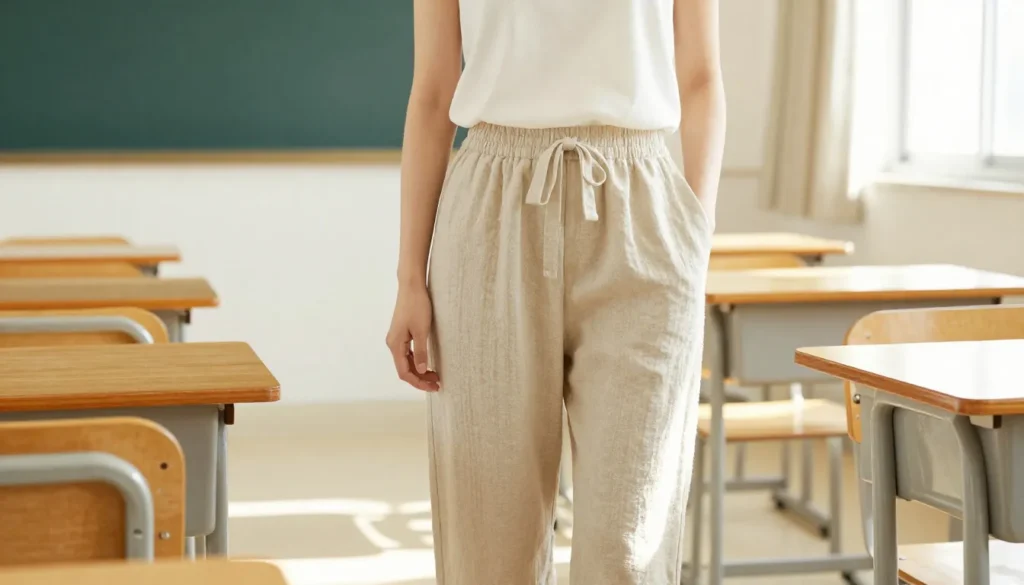
For summer school or warmer climates, prioritize breathable fabrics.
- Look Idea: Linen-blend wide-leg pants, a simple tank top (with a cardigan for inside), and leather slide sandals.
- Key Pieces: Cotton dresses, midi skirts, and sleeveless tops.
Where to Shop for Teacher Clothes
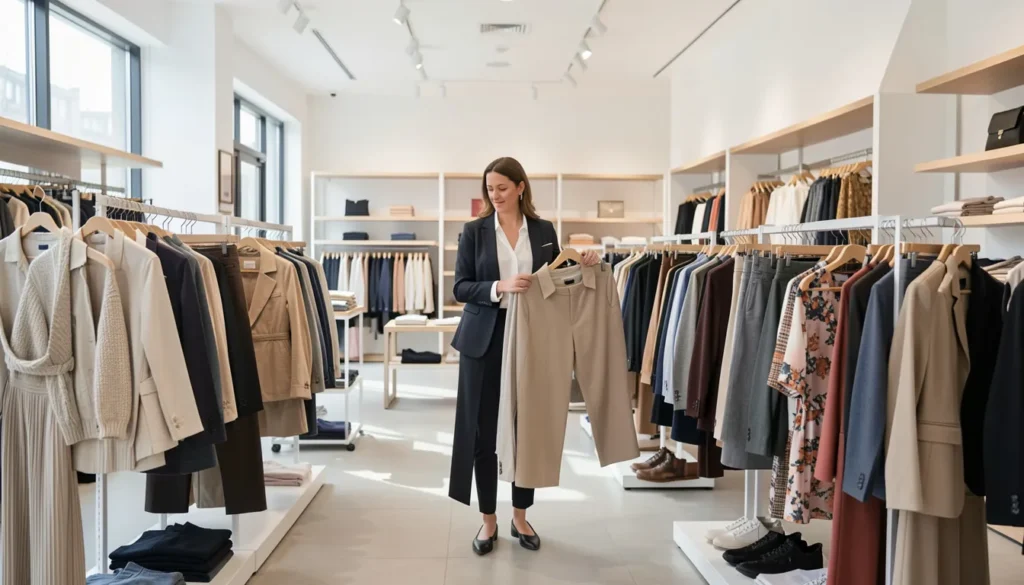
You don’t need a huge budget to build a great teacher wardrobe. The key is to shop smart.
- Affordable Staples: Retailers like Old Navy, Target, and LOFT are famous for their teacher-friendly styles and frequent sales.
- Investment Pieces: For items like a quality blazer or comfortable shoes, consider brands like J.Crew, Madewell, or specialized comfort shoe brands like Clarks or Vionic.
- Thrift Stores: Don’t underestimate second-hand shopping. You can find unique blazers, high-quality sweaters, and classic dresses for a fraction of the retail price.
Conclusion:
Creating your ideal teacher outfit collection is a journey, not a destination. It’s about finding a style that makes you feel like the best version of yourself in the classroom. By building a capsule wardrobe of comfortable, credible, and confidence-boosting staples, you free up your mental energy to focus on what truly matters: your students.
Remember that your clothing is a tool. Use it to project professionalism, express your personality, and most importantly, feel comfortable enough to handle whatever the school day throws your way. When you walk into your classroom feeling put-together and prepared, you set a positive tone for a successful day of learning.
Frequently Asked Questions (FAQs)
Q1: Can teachers wear leggings to work?
This is one of the most debated topics and depends entirely on your school’s dress code. If they are allowed, the general rule is to wear them as pants-alternatives, not pants themselves. This means pairing them with a long tunic, sweater, or dress that provides adequate coverage. High-quality, thick “ponte” leggings look more professional than thin, athletic styles.
Q2: How can I look professional in a hot classroom without air conditioning?
Focus on fabrics. Natural fibers like linen and cotton are your best friends. Opt for loose-fitting silhouettes like wide-leg crop pants, A-line skirts, and breezy midi dresses. Avoid polyester and other synthetic fabrics that trap heat.
Q3: What are the best shoes for teachers who are on their feet all day?
Look for shoes with excellent arch support and cushioning. Brands like Vionic, Dansko, Clarks, and Allbirds are popular among educators. Stylish loafers, supportive flats, low-heeled booties, and comfortable fashion sneakers are all great options.
Q4: How do I dress as a student teacher to make a good impression?
When in doubt, it is always better to be slightly overdressed. For your student teaching period, aim for the dressier side of business casual. Stick to neutral-colored trousers, modest blouses, and simple dresses. A blazer is a great way to add authority. Avoid jeans until you are sure they are acceptable.
Q5: How can I add personality to my outfits while still following a strict dress code?
Accessories are your secret weapon! Use fun, colorful earrings, a unique lanyard, stylish glasses, a patterned scarf, or a statement belt to inject your personal style into a more conservative outfit.