Mastering the Monochrome Outfit: The Ultimate Guide to Single-Color Styling
Dressing in a single color from head to toe can be one of the most powerful statements you can make with your wardrobe. The monochrome outfit, far from being boring or one-dimensional, is a sophisticated and timeless approach to style that exudes confidence and elegance. Whether you’re drawn to the classic appeal of all-black, the crispness of all-white, or the bold impact of a vibrant hue, understanding how to build a monochromatic look is a fundamental fashion skill.
This comprehensive guide will walk you through everything you need to know about mastering monochrome dressing. We’ll explore what it means, why it’s so effective, and how you can create stunning single-color outfits for any season, body type, and occasion. Get ready to see color—or the lack thereof—in a whole new light.
What Exactly Is a Monochrome Outfit?
At its core, a monochrome outfit is one composed of pieces of a single color. The term “monochrome” literally means “one color.” However, this doesn’t mean every single item must be the exact same shade. The art of monochromatic dressing often involves playing with different tones, tints, and shades within the same color family.
For example, a blue monochrome outfit could include a navy blazer, a sky-blue blouse, and royal blue trousers. This variation in shades adds depth, texture, and visual interest, preventing the outfit from looking flat. The key is that the entire look is anchored in one primary color, creating a cohesive and streamlined silhouette.
The Difference Between Monochrome and Monotone
While often used interchangeably, there is a subtle distinction.
- Monochrome: Refers to using various shades of a single color.
- Monotone: Refers to using a single, uniform tone of one color throughout an outfit.
Both are valid approaches, but mastering the blend of different shades is what elevates a simple single-color look into a high-fashion statement.
Why You Should Embrace Monochromatic Dressing
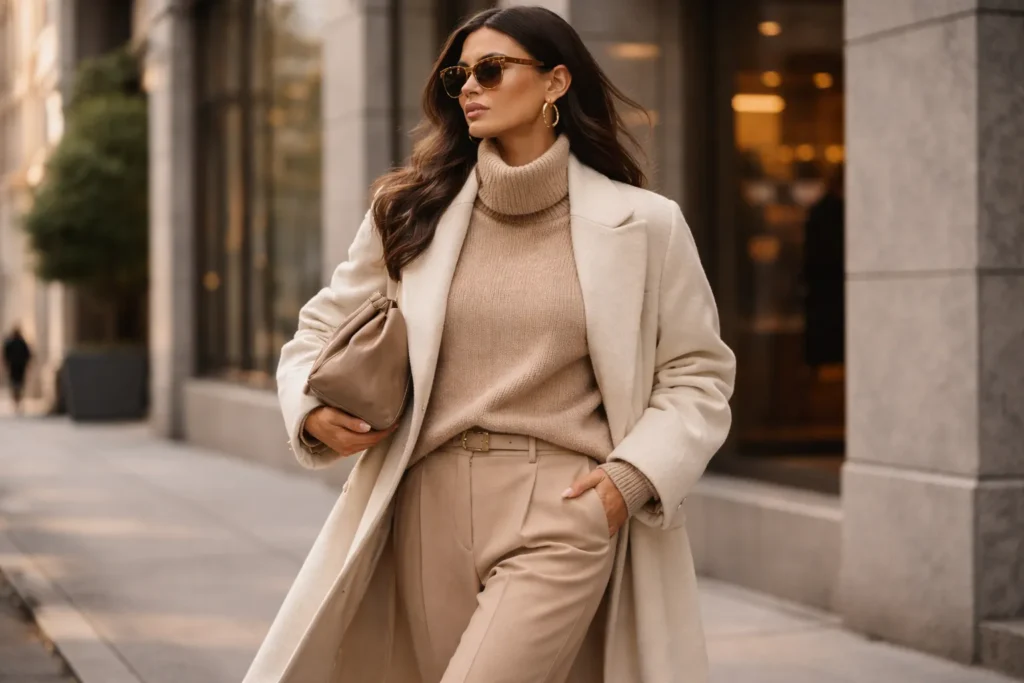
Adopting a monochromatic approach to your wardrobe offers a surprising number of benefits. It’s more than just a style choice; it’s a strategic way to simplify your life while looking effortlessly chic.
Effortless Elegance and Sophistication
There’s an inherent sophistication to a well-executed monochrome outfit. It looks intentional, put-together, and polished. Because the color palette is so focused, it allows the silhouette, fabric, and accessories to shine. It’s a favorite among fashion editors and designers for its ability to convey luxury without complexity.
A Powerful Lengthening Effect
One of the most celebrated benefits of monochromatic dressing is its ability to elongate the body. Wearing a single color from top to bottom creates an unbroken vertical line, which visually makes you appear taller and slimmer. This is a universally flattering technique that works for all body shapes and sizes.
Simplifies Your Morning Routine
Decision fatigue is real, especially when you’re standing in front of a full closet. A monochromatic framework simplifies the process of getting dressed. Instead of worrying about which colors match, you simply focus on one color family. This saves you time and mental energy, making your mornings smoother and more efficient.
Makes a Bold Statement
While it may seem counterintuitive, wearing a single color can make you stand out more than a busy print. A vibrant all-red or cobalt-blue outfit is undeniably eye-catching and communicates confidence. Even neutral monochrome looks, like head-to-toe beige or gray, command attention through their quiet, understated power.
How to Build the Perfect Monochrome Outfit: A Step-by-Step Guide
Creating a successful monochrome look involves more than just grabbing items of the same color. The secret lies in the details.
Step 1: Choose Your Base Color
Your first decision is the most important: which color will you build your outfit around? Your choice can be influenced by several factors:
- Your Skin Tone: Certain colors will naturally complement your complexion. Experiment to see what makes you feel your best. Jewel tones like emerald and sapphire look stunning on cooler skin tones, while earthy tones like olive and terracotta flatter warmer ones.
- The Occasion: A black monochrome outfit is perfect for a formal evening event, while an all-white look is ideal for a summer brunch. Consider the dress code and setting.
- Your Mood: Do you want to feel powerful and bold? Try red. Calm and serene? Go for a soft blue or lavender. Your outfit is a form of self-expression.
Step 2: Play with Different Shades and Tones
To add depth and prevent your outfit from looking like a uniform, mix different shades of your chosen color.
- Light Tones: Pastels, tints, and lighter versions of your base color.
- Mid Tones: The true, saturated version of the color.
- Dark Tones: Shades, charcoal versions, and deeper iterations.
For a gray monochrome outfit, you could pair charcoal trousers with a heather gray sweater and a light silver-gray scarf. This tonal variation is visually interesting and demonstrates a sophisticated understanding of color theory.
Step 3: Mix Textures for Visual Interest
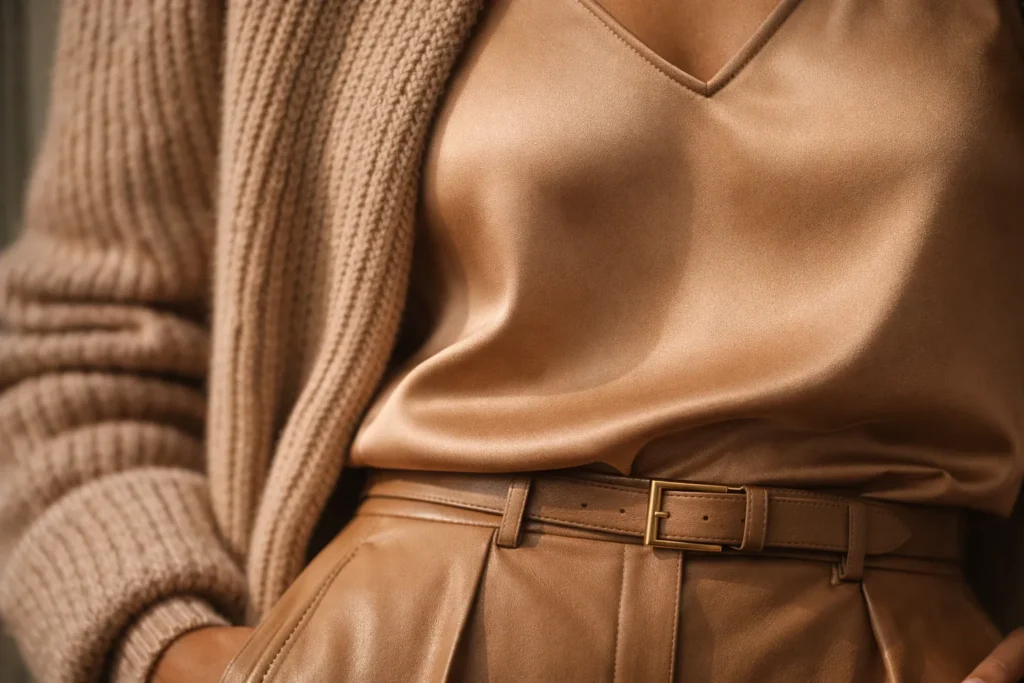
This is perhaps the most crucial step in elevating a monochrome outfit. Combining different fabric textures adds a tactile dimension that keeps the eye engaged. A flat, one-note outfit can look dull, but a multi-textured one looks luxurious and well-thought-out.
Consider these texture combinations:
- Knitwear + Silk: A chunky wool sweater paired with a silk slip skirt.
- Leather + Cotton: Leather pants with a simple cotton t-shirt.
- Denim + Cashmere: A denim jacket over a cashmere turtleneck.
- Lace + Suede: A delicate lace top with a suede skirt.
- Velvet + Satin: A velvet blazer over a satin camisole.
The contrast between hard and soft, rough and smooth, and matte and shiny materials is what brings a single-color look to life.
Step 4: Accessorize Thoughtfully
Accessories are the finishing touch that completes your monochrome outfit. You have two main approaches here.
Option A: Keep Accessories Monochromatic
For a truly seamless look, choose accessories in the same color family as your clothing. A beige outfit paired with a tan bag and nude heels continues the long, unbroken line and enhances the elongating effect.
Option B: Use Accessories for a Pop of Contrast
Alternatively, you can use your accessories to introduce a single point of contrast.
- An all-black outfit with a bright red handbag.
- An all-white suit with metallic silver shoes.
- A navy blue dress with a mustard yellow belt.
This technique draws attention and adds a playful element to an otherwise serious look. Just be sure to limit it to one or two accent pieces to maintain the integrity of the monochrome theme.
Monochrome Outfit Ideas for Every Occasion
Let’s put these principles into practice with some real-world examples for different settings.
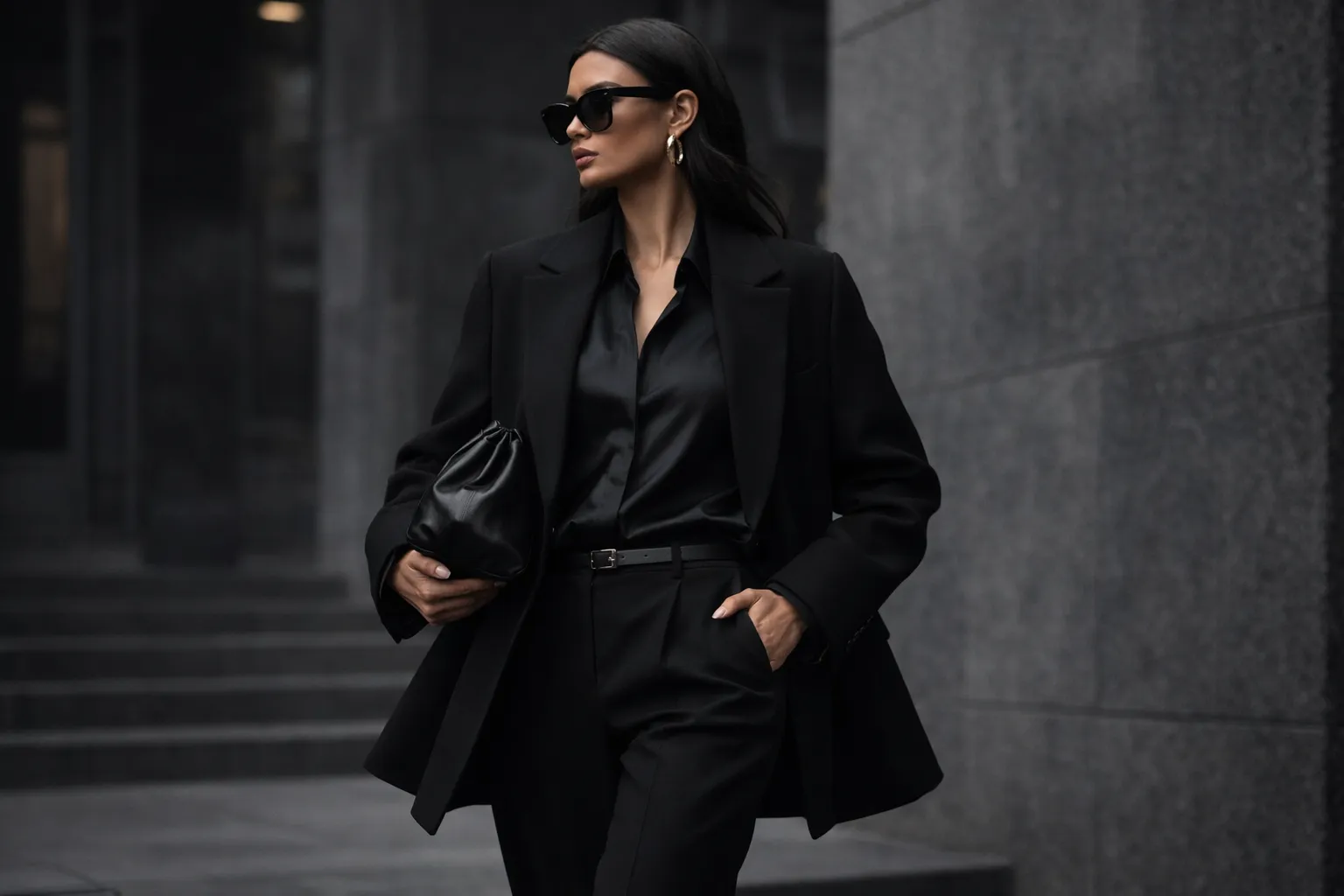
The All-Black Monochrome Outfit
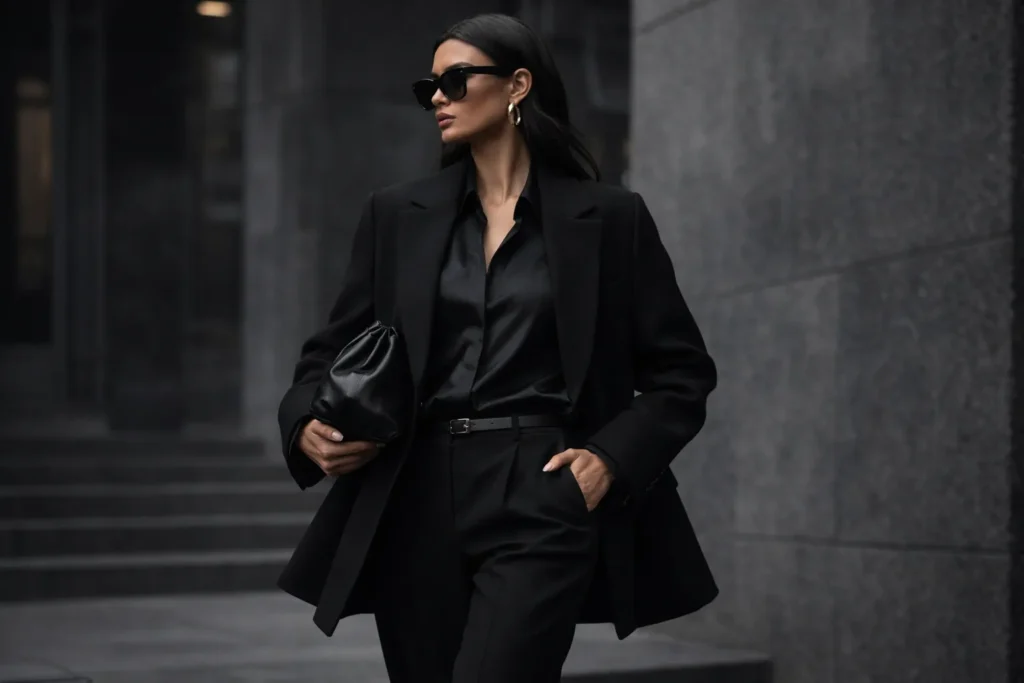
The most classic and perhaps easiest monochrome look to pull off. It’s chic, universally flattering, and appropriate for almost any occasion.
- For the Office: Pair black tailored trousers with a black silk blouse and a structured blazer. Finish with black leather pumps and a minimalist tote bag.
- For a Night Out: A black leather mini skirt, a fine-knit black turtleneck, sheer black tights, and black ankle boots. Add a silver statement necklace for a touch of sparkle.
- For a Casual Weekend: Black high-waisted jeans, a simple black cotton t-shirt, and a black denim jacket. Complete the look with comfortable black sneakers.
The All-White Monochrome Outfit
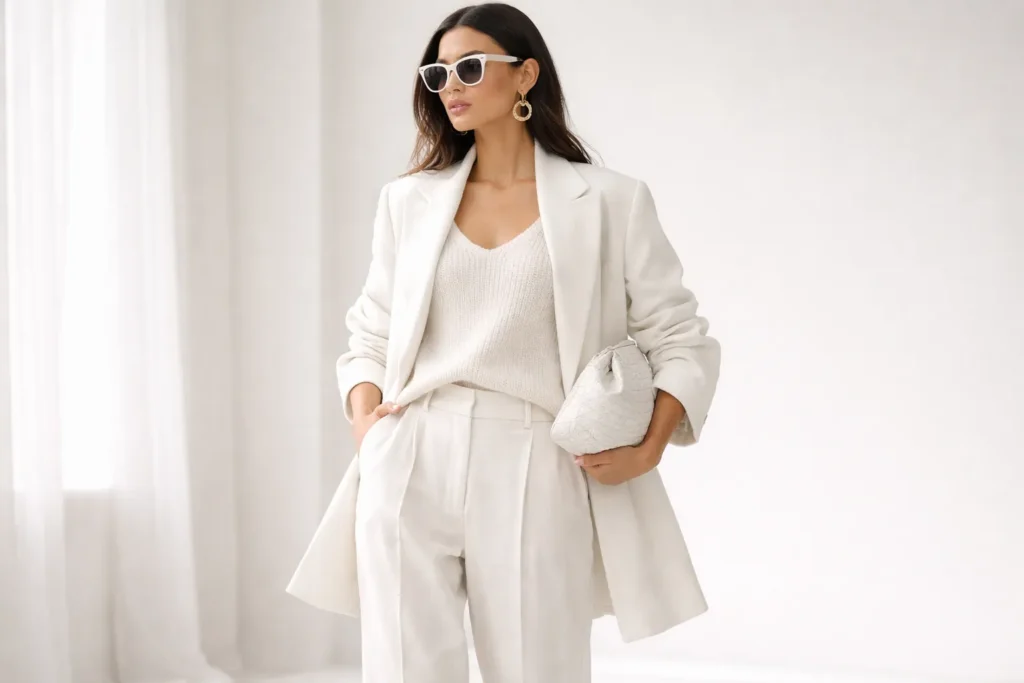
Crisp, fresh, and effortlessly cool. An all-white look is perfect for warmer months but can be adapted for winter as well.
- For Summer: White wide-leg linen trousers with a white tank top and white sandals. Accessorize with a straw bag and gold jewelry.
- For Winter: A chunky ivory cable-knit sweater, off-white corduroy pants, and cream-colored boots. Layer with a long wool coat in a similar shade of white. This “winter white” look is incredibly sophisticated.
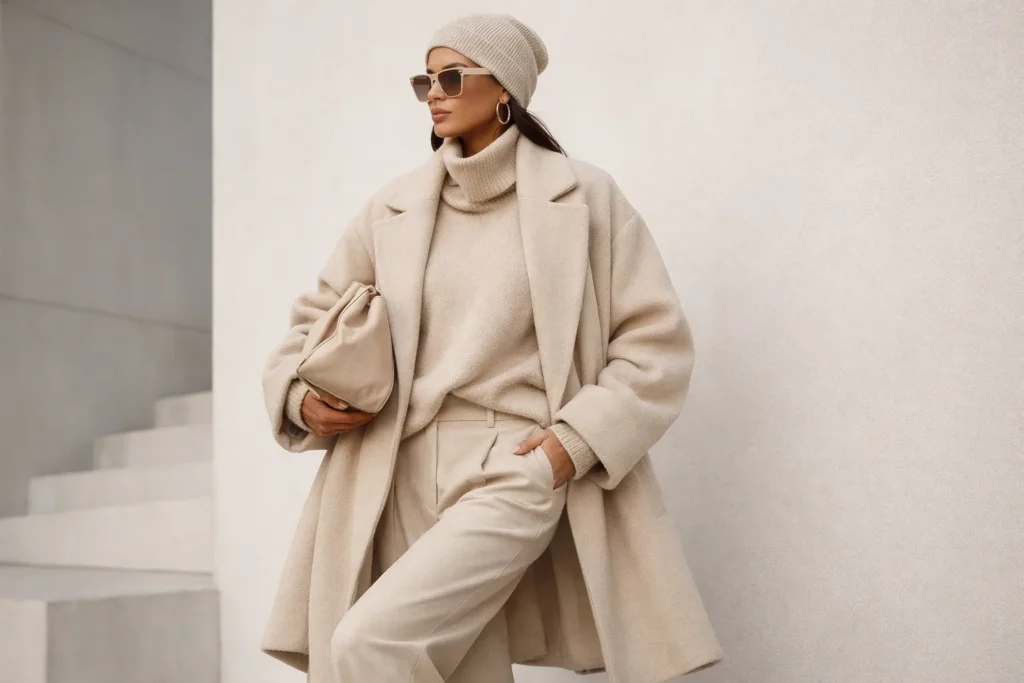
The Neutral Monochrome Outfit (Beige, Gray, Brown)
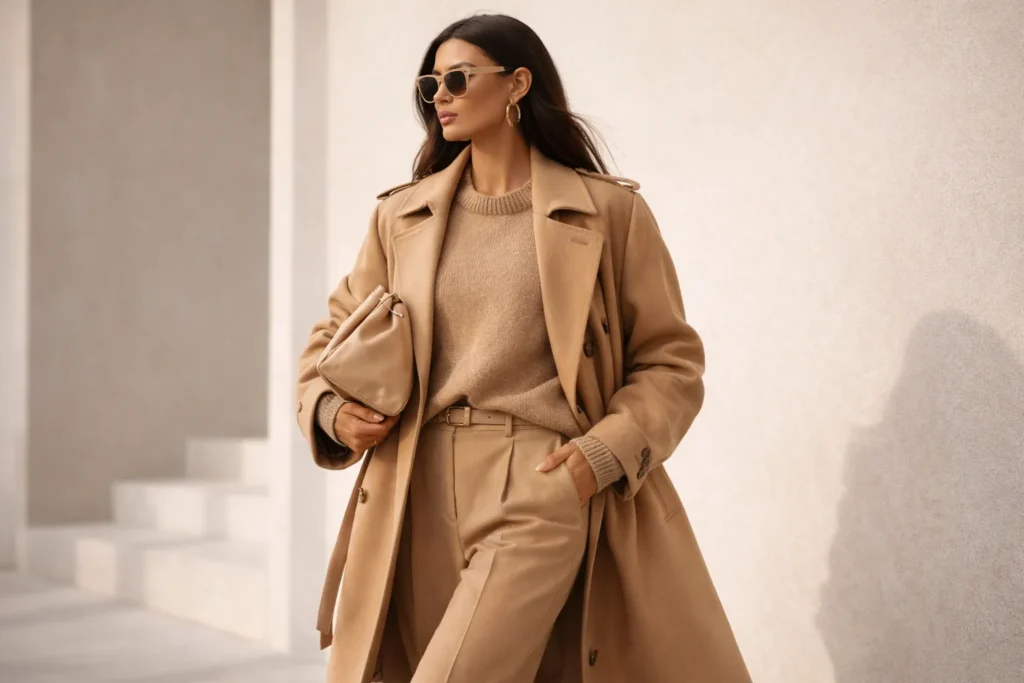
Neutral monochrome is the epitome of quiet luxury. It’s understated, elegant, and timeless.
- The Beige Look: Combine camel-colored trousers, a beige cashmere sweater, and a trench coat in a slightly lighter shade of tan. Nude heels or loafers complete this polished ensemble.
- The Gray Look: A gray plaid suit can be the base of a powerful work outfit. Alternatively, for a softer look, pair a charcoal gray slip dress with a light gray cardigan.
- The Brown Look: Rich chocolate brown pants with a toffee-colored turtleneck and a cognac leather jacket create a warm, autumnal vibe.
The Bold Color Monochrome Outfit
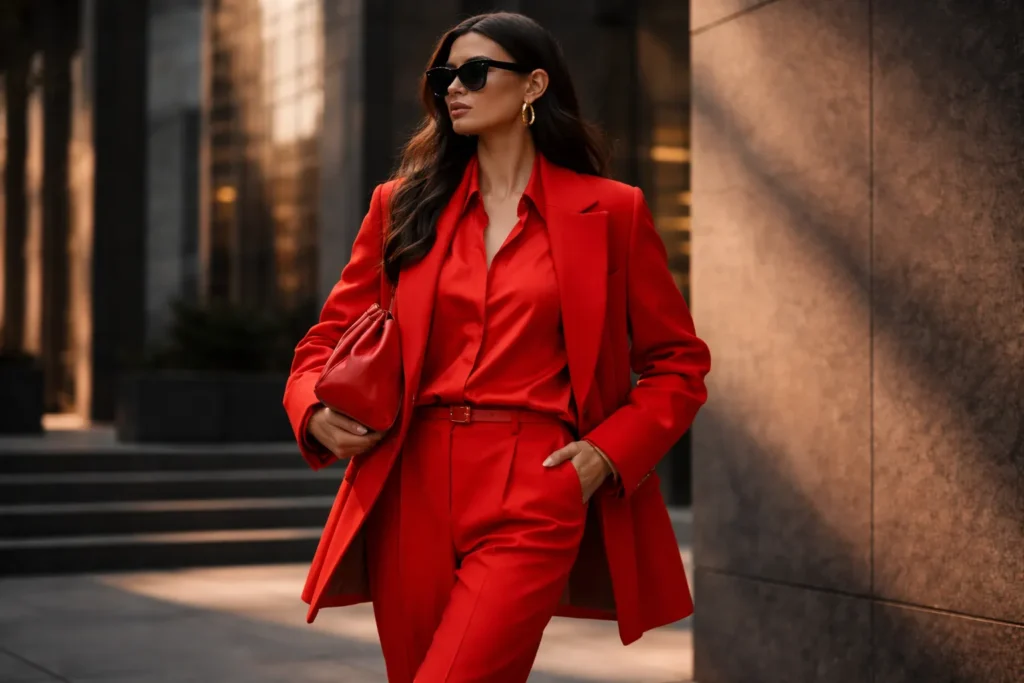
For those who aren’t afraid to make a statement, a head-to-toe look in a vibrant color is a fantastic choice.
- Red: A red power suit makes a bold statement in a professional setting. For a more casual take, try red jeans with a red sweater.
- Blue: From cobalt to navy, blue is a versatile choice. A royal blue midi dress with matching heels is perfect for a wedding or event.
- Green: An olive green utility jumpsuit is a modern and stylish one-and-done outfit. Pair with matching sneakers or ankle boots.
- Pink: A hot pink blazer and matching trousers are fun, fashionable, and surprisingly powerful. For a softer look, try a dusty rose dress with coordinating accessories.
Styling Tips for Different Body Types
While the monochrome outfit is universally flattering, you can use subtle tricks to highlight your best features.
For Petite Frames
The lengthening effect of a single color is your best friend. To maximize this, opt for high-waisted bottoms and a tucked-in top to raise your natural waistline. Pointed-toe shoes in the same color as your pants will further extend the leg line.
For Plus-Size Figures
Monochrome is brilliant for creating a streamlined silhouette. Play with structured pieces like blazers and well-fitting trousers to define your shape. A V-neck top can also be very flattering as it draws the eye vertically. Don’t shy away from bold colors; they can look absolutely stunning.
For Tall Frames
You can easily carry a monochrome look. To add interest and break up your long lines if you wish, focus heavily on textural play. A chunky knit with sleek leather or a billowy top with slim-fit pants can create definition at the waist.
Conclusion:
The monochrome outfit is more than just a passing trend; it’s a timeless style principle that empowers you to look chic, confident, and put-together with minimal effort. By choosing a color, playing with different shades and textures, and accessorizing with intention, you can unlock a world of sophisticated looks.
Whether you start with the safety of an all-black ensemble or dive straight into a vibrant, head-to-toe color, we encourage you to experiment. Raid your closet, identify a color you love, and start building. You might be surprised at how powerful and elegant a single color can be.
Frequently Asked Questions (FAQs)
Q1: Does a monochrome outfit have to be the exact same color?
No, a monochrome outfit is often more interesting when you mix different shades, tones, and tints of a single color. For example, pairing navy blue with sky blue is a great way to create a dynamic monochrome look.
Q2: Can I wear patterns in a monochrome outfit?
Absolutely. A subtle, tone-on-tone pattern can add another layer of texture. For example, a gray suit with a faint pinstripe or a jacquard top where the pattern is woven in the same color as the fabric works perfectly within a monochrome framework.
Q3: Is an all-black outfit considered monochrome?
Yes, an all-black outfit is the quintessential example of a monochrome look. It’s classic, versatile, and always in style.
Q4: How do I avoid looking boring in a monochrome outfit?
The key is to mix textures. Combine different materials like leather, silk, knitwear, denim, and cotton. This adds depth and visual interest, preventing the outfit from looking flat or one-dimensional. Playing with different shades of the same color also helps.
Q5: What are the best colors for a beginner to start with?
Neutral colors like black, white, navy, gray, and beige are the easiest to start with. You likely already have several pieces in these colors in your wardrobe, making it simple to experiment without buying anything new.