The Ultimate Guide to Creating the Perfect Kawaii Outfit
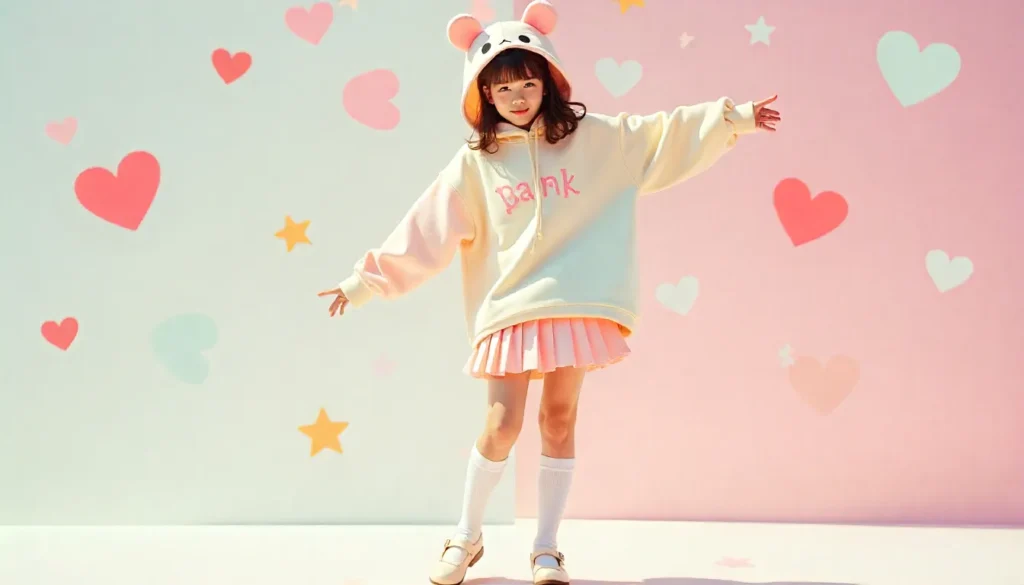
Creating the perfect kawaii outfit is about more than just wearing cute clothes; it is an expression of joy, creativity, and a distinct cultural aesthetic that originated in Japan. Whether you are a long-time enthusiast of Harajuku street fashion or someone just beginning to explore the world of pastels and frills, building a wardrobe that reflects this vibrant style can be incredibly rewarding. A truly successful kawaii ensemble balances color, texture, and accessories to create a look that is undeniably adorable.
In this comprehensive guide, we will dive deep into the elements that make up the iconic cute aesthetic. We will explore various sub-styles, from Fairy Kei to Lolita, and provide practical advice on how to mix and match items to curate your unique look. Get ready to embrace your inner sweetness and transform your wardrobe with these essential tips and tricks.
Understanding the Kawaii Aesthetic
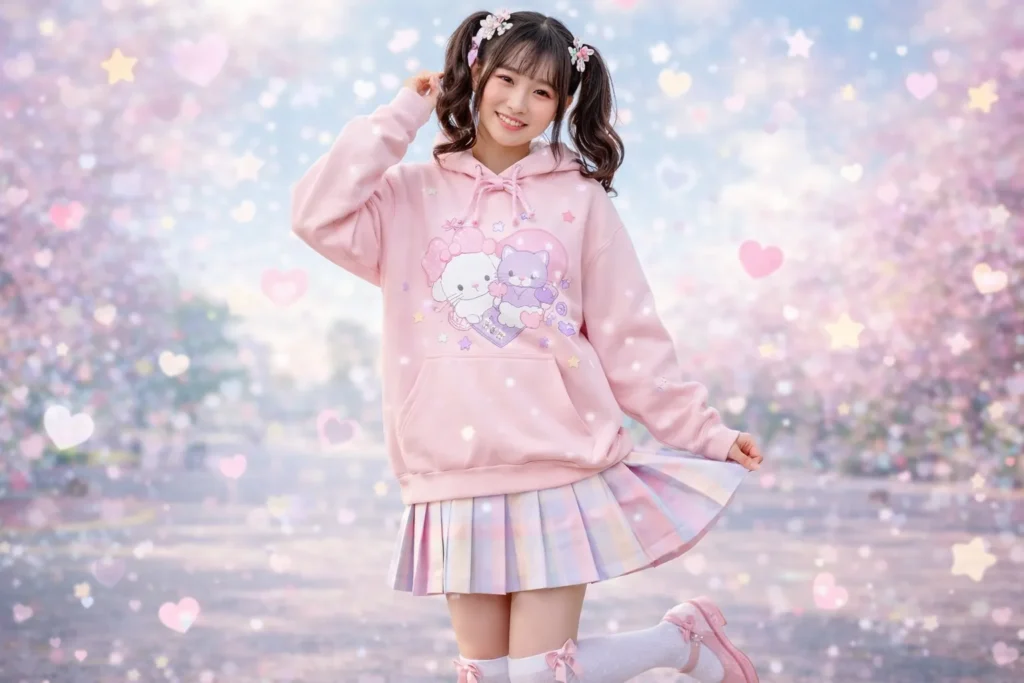
Before diving into specific clothing items, it is crucial to understand what “kawaii” actually means in the context of fashion. Originating in Japan, the word translates to “cute,” but as a cultural phenomenon, it encompasses much more. It is a rebellion against strict societal norms, embracing youthfulness, innocence, and individuality.
Key Characteristics of Kawaii Fashion
While there are many sub-genres, most kawaii outfit styles share several core characteristics:
- Pastel Colors: Soft pinks, baby blues, lavenders, and mint greens are staples. These colors evoke a sense of softness and dreaminess.
- Childlike Motifs: Prints featuring teddy bears, sweets, clouds, stars, and anime characters are very common.
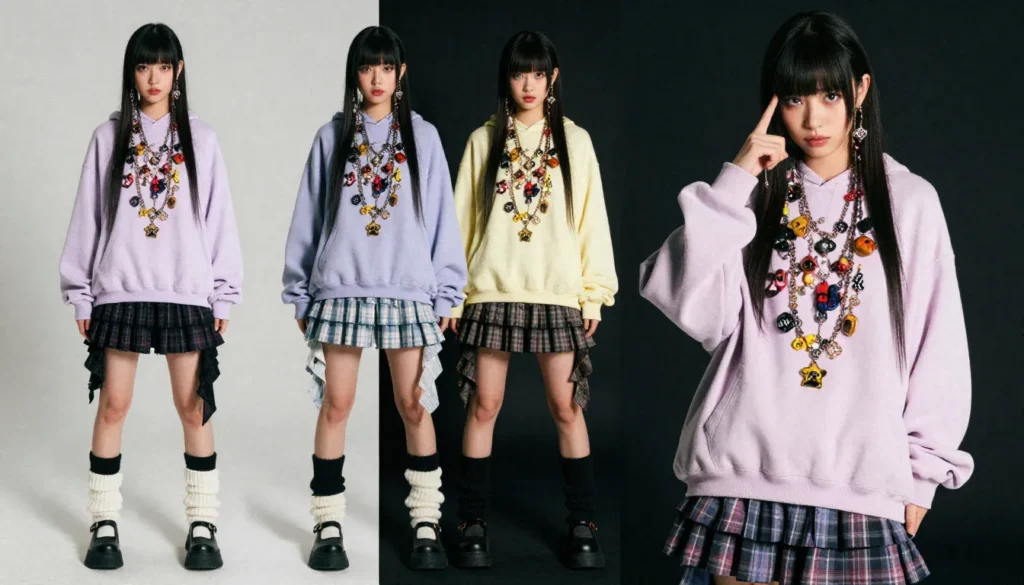
- Oversized Silhouettes: Baggy sweaters and hoodies often contrast with short skirts to create a cute, cozy silhouette.
- Frills and Lace: Texture plays a huge role. Ruffles, lace trims, and bows add depth and femininity to the look.
Essential Components of a Kawaii Wardrobe
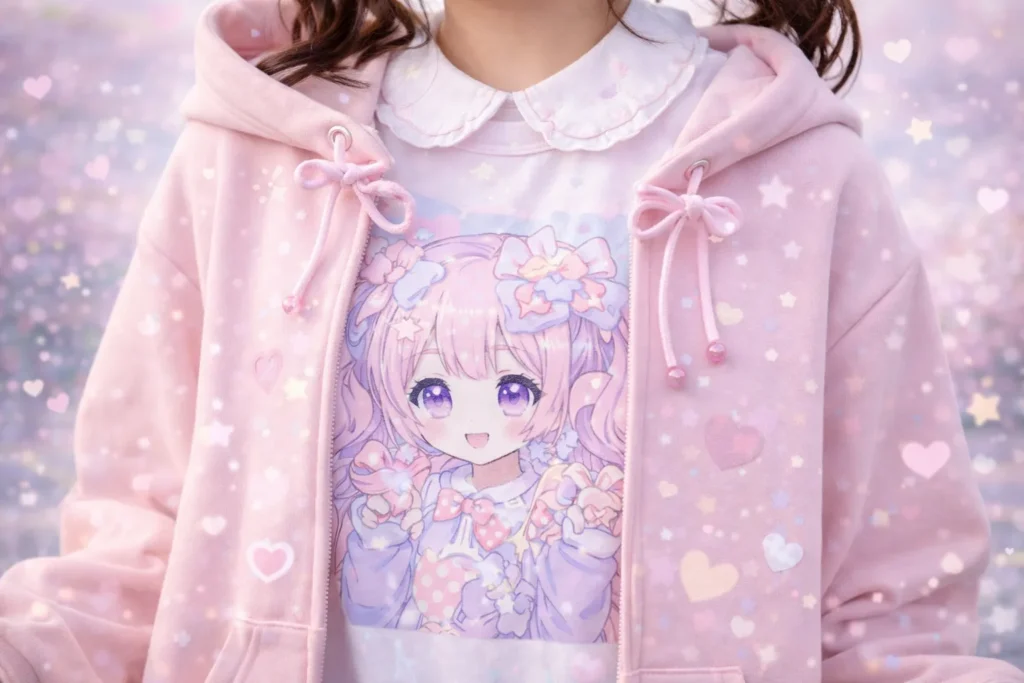
Building a kawaii wardrobe doesn’t happen overnight. It starts with collecting versatile staple pieces that can be mixed and matched.
Tops: Cute and Comfy
Your top often sets the tone for the entire outfit.
- Graphic Tees: Look for t-shirts featuring cute mascots, Japanese text, or retro anime prints. Brands like Sanrio often collaborate on clothing lines that are perfect for this.
- Oversized Hoodies: A massive, pastel hoodie is a must-have. It can be worn over a skirt or even as a dress if it’s long enough. Look for hoodies with animal ears on the hood for extra points.
- Peter Pan Collars: Blouses with rounded collars add an instant touch of vintage sweetness. They layer beautifully under sweaters and dresses.
- Sailor Collars: Influenced by Japanese school uniforms (seifuku), sailor-style tops are iconic in kawaii fashion.
Bottoms: Skirts and More
The bottom half of the outfit usually focuses on creating a specific silhouette, often emphasizing the legs.
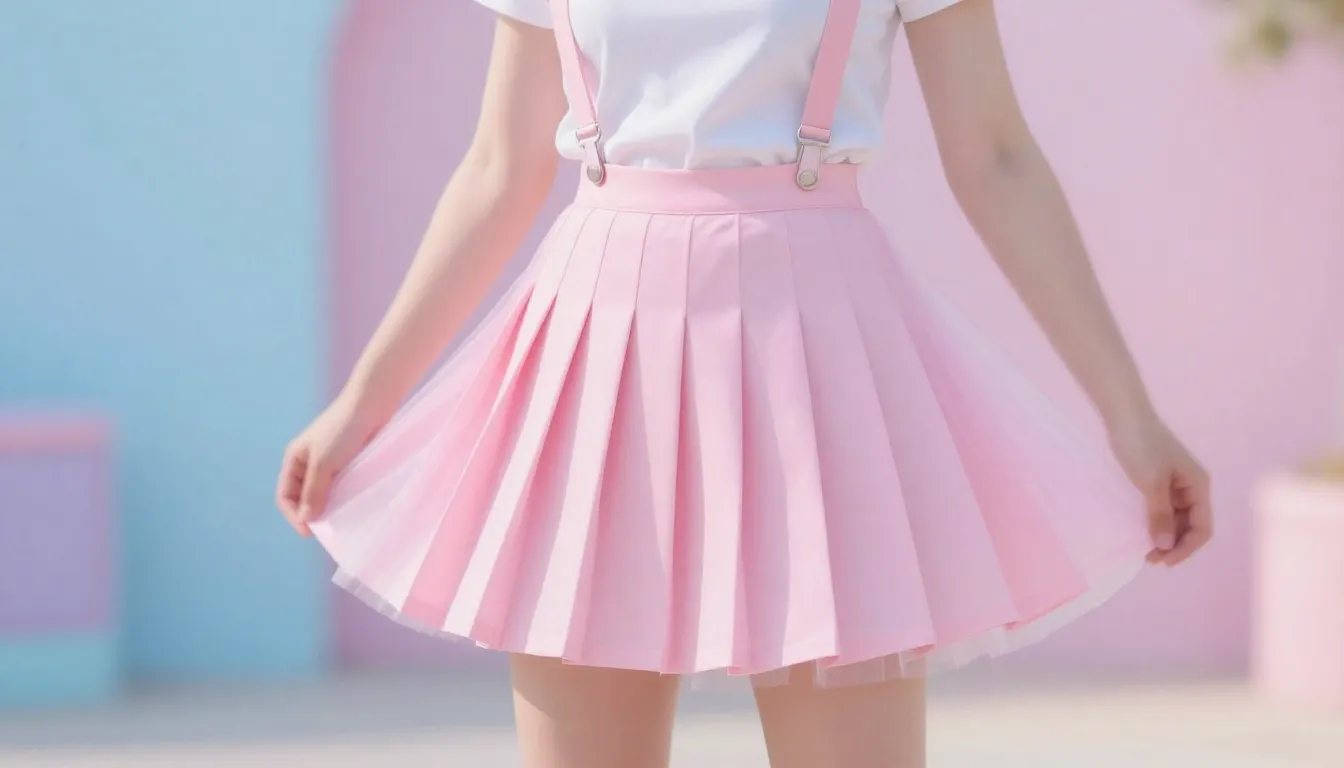
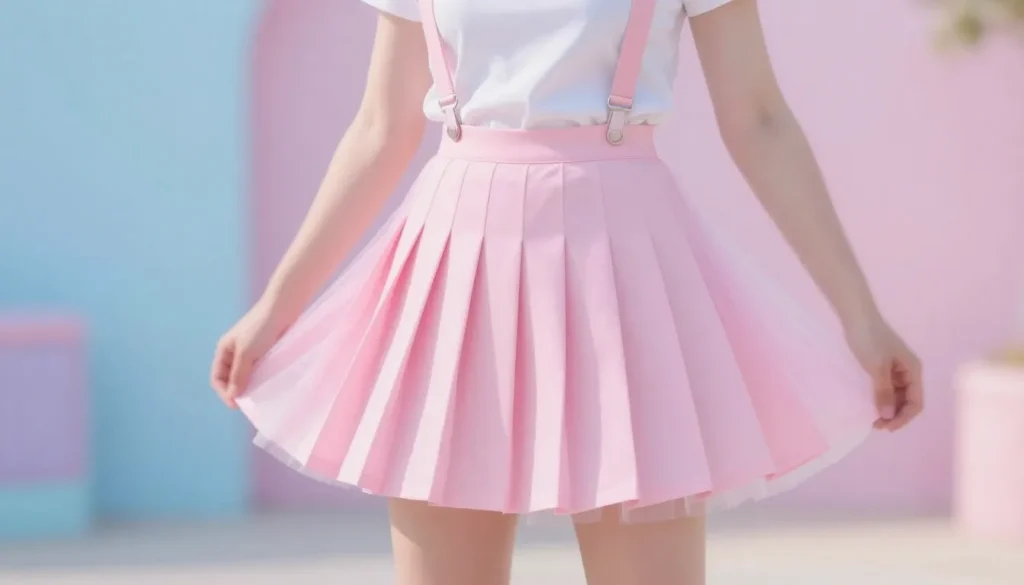
- Pleated Tennis Skirts: The absolute staple of kawaii fashion. A high-waisted, pleated mini skirt in a solid pastel color or plaid is incredibly versatile.
- Tulle and Tutu Skirts: For a softer, “Fairy Kei” vibe, layered tulle skirts add volume and whimsy.
- Suspender Skirts: Skirts with attached suspenders or “pinafore” dresses are very popular. They frame the torso nicely and highlight whatever cute top you are wearing underneath.
- Bloomers and Pumpkin Shorts: For a more vintage or Lolita-inspired look, ruffled bloomers are a comfortable and adorable alternative to skirts.
Dresses: The One-Piece Wonder
Sometimes, a single dress is all you need to make a statement.
- Lolita Dresses: These are elaborate, Victorian-inspired dresses known for their bell-shaped skirts (achieved with a petticoat). They are often covered in intricate prints of desserts or flowers.
- Babydoll Dresses: Loose-fitting dresses with an empire waist are comfortable and fit the “childlike” aesthetic perfectly.
- Overall Dresses: Denim or corduroy overall dresses are great for casual, everyday kawaii looks.
Exploring Kawaii Sub-Styles
“Kawaii” is an umbrella term. To really refine your kawaii outfit, you might want to lean into a specific sub-style.
Fairy Kei
This style is an explosion of 80s nostalgia and pastels.
- Key Elements: Care Bears, My Little Pony, tutu skirts, leg warmers, and oversized sweaters.
- Vibe: Dreamy, soft, and retro. It’s like wearing a cloud of cotton candy.
Yami Kawaii (Sick Cute)
A darker, more emotional take on the aesthetic. It mixes traditional cute elements with themes of sickness or mental health.
- Key Elements: Medical motifs (syringes, pills, bandages), darker makeup, and sometimes contrasting black with pink.
- Vibe: Edgy, vulnerable, and subversive.
Lolita Fashion
Often confused with general kawaii, Lolita is a distinct and strict fashion subculture inspired by Victorian and Rococo clothing.
- Sweet Lolita: This is the most “kawaii” version, focusing on pastel colors, dessert prints, and maximum frills.
- Classic Lolita: Uses more muted colors and floral prints for a mature, elegant doll look.
- Gothic Lolita: Dark colors, crosses, and bats, but keeping the cute silhouette.
Decora
This style is all about excess. The goal is to wear as many accessories as possible.
- Key Elements: Dozens of hair clips, layered necklaces, multiple bracelets, colorful socks, and face stickers.
- Vibe: Loud, colorful, and chaotic joy.
Accessorizing Your Kawaii Outfit
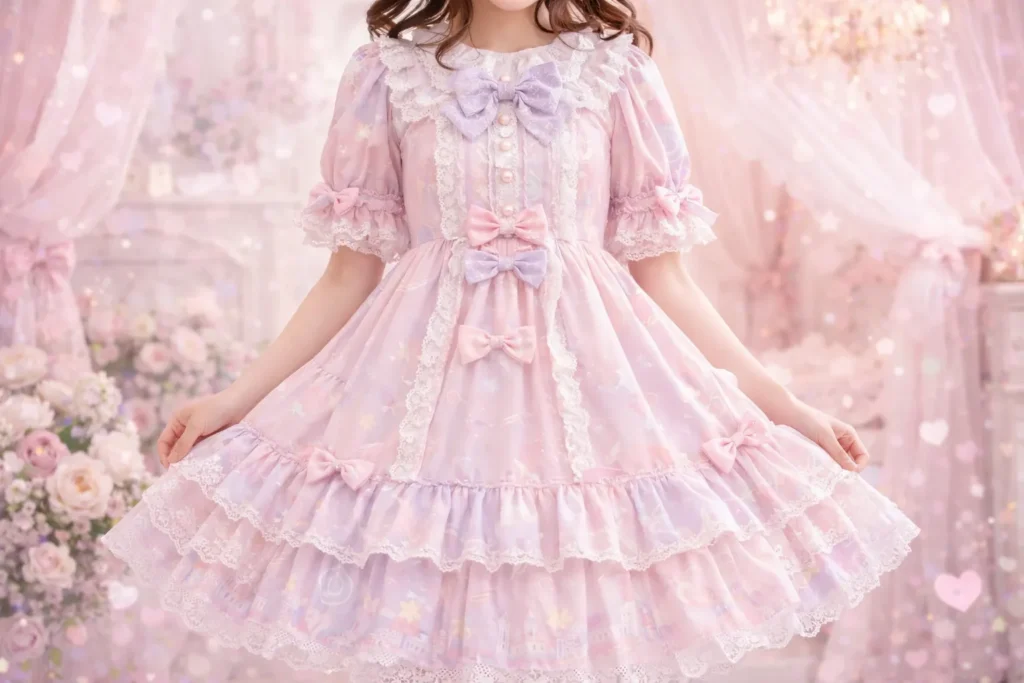
Accessories are arguably the most important part of any kawaii outfit. They transform a simple t-shirt and skirt combo into a cohesive aesthetic look.
Hair Accessories
You rarely see a kawaii enthusiast without something in their hair.
- Bows: The bigger, the better. A giant bow on top of the head or two smaller ones on pigtails are classic.
- Hair Clips: Simple snap clips in pastel colors, or elaborate clips shaped like cookies, hearts, or stars.
- Headbands: Headbands with animal ears (cat, bunny, bear) are a quick way to up the cuteness factor.
- Berets: A decorated beret adds an artistic and sophisticated touch to the outfit.
Bags
Your bag isn’t just for holding your phone; it’s a prop.
- Ita Bags: These are bags with a clear window designed to display your collection of pins, badges, and plushies. They are a way to show off your favorite anime characters or themes.
- Plush Bags: Backpacks or purses shaped like stuffed animals.
- Novelty Shapes: Bags shaped like milk cartons, game controllers, or strawberries.
Footwear
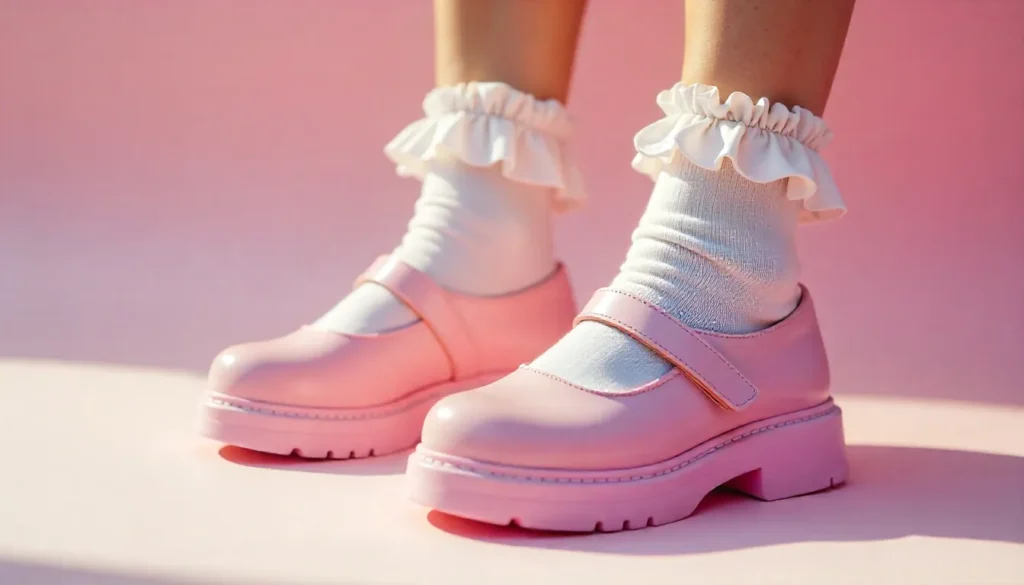
The right shoes ground the outfit.
- Mary Janes: The quintessential kawaii shoe. Whether flat or with a chunky platform heel, they look great with frilly socks.
- Platform Sneakers: Adding height is popular in Harajuku fashion. Chunky, colorful sneakers are practical for walking and look very stylish.
- Tea Party Shoes: A specific style of shoe popular in Lolita fashion, featuring bows and a comfortable heel.
Legwear
Never underestimate the power of socks.
- Knee-High Socks: Often with stripes or animal faces at the top.
- Frilly Ankle Socks: Perfect for pairing with Mary Janes.
- Tights: Look for tights with printed patterns, such as “ball-jointed doll” joints or faux thigh-high designs.
Makeup and Styling Tips
Your kawaii outfit isn’t complete without the right styling.
Kawaii Makeup
The goal is usually to look fresh-faced and wide-eyed.
- Eyes: Focus on making eyes look rounder. This often involves circle lenses (contacts that make the iris look bigger), eyeliner that droops slightly downwards (puppy liner), and voluminous mascara.
- Cheeks: Blush is essential. It is often applied high on the cheekbones, sometimes even under the eyes or across the nose, to create a flushed, youthful look.
- Lips: Soft gradients or glossy pinks are preferred over harsh, dark lipsticks.
Hairstyles
- Twin Tails: High or low pigtails are the standard.
- Space Buns: Two buns on top of the head create a fun, energetic silhouette.
- Bangs: Straight-cut bangs (fringe) that frame the face are a staple of the aesthetic.
Where to Buy Kawaii Clothes
Finding authentic and high-quality items can be a challenge.
Japanese Brands
If you can, buying directly from the source is best.
- 6%DOKIDOKI: A legendary Harajuku brand known for colorful, Decora-style accessories and clothes.
- Angelic Pretty: The gold standard for Sweet Lolita dresses.
- Liz Lisa: Famous for the “Gyaru” and floral aesthetic.
- Wego: Offers trendy, streetwear-inspired kawaii fashion at accessible prices.
Online Retailers
- Storenvy & Etsy: Great for finding handmade accessories and indie designers.
- Depop & Mercari: excellent for finding secondhand brand-name items at a discount.
- YesStyle: A massive retailer for Asian fashion that carries many cute Korean and Japanese brands.
Conclusion:
Building the perfect kawaii outfit is a journey of self-expression. It allows you to reject the mundane and embrace a world of color, creativity, and joy. Whether you decide to go full Lolita or just incorporate a few pastel accessories into your daily wear, the most important rule is to have fun.
Fashion is a language, and kawaii style speaks of optimism and individuality. So, put on that oversized hoodie, clip in those hair bows, and step out with confidence. You aren’t just getting dressed; you are curating happiness.
Frequently Asked Questions (FAQs)
Q1: Can I wear kawaii fashion if I’m older?
A: Absolutely! Kawaii fashion is for everyone, regardless of age or gender. While the style emphasizes youthfulness, many adults wear it as a form of creative expression. You can adapt the style to be as subtle or as bold as you like. “Otome” (maiden) style is a great sub-genre that is cute but more mature and modest.
Q2: Is kawaii fashion expensive?
A: It can be, especially if you buy brand-name Lolita dresses. However, it doesn’t have to be. You can thrift pastel clothes, DIY your own accessories, or buy from affordable retailers. The key is how you style items, not how much they cost.
Q3: How do I start wearing kawaii outfits without feeling self-conscious?
A: Start small. Incorporate one or two elements, like a cute keychain, pastel socks, or a graphic tee, into your regular wardrobe. As you get comfortable, you can add more accessories and bolder pieces. Confidence comes with practice!
Q4: What is the difference between Cosplay and Kawaii fashion?
A: Cosplay involves dressing up as a specific character from a movie, anime, or game. Kawaii fashion is a personal style aesthetic inspired by Japanese street fashion. While you might wear a wig or costume-like elements, you are dressing as yourself, not role-playing a character.
Q5: Can I mix different kawaii styles?
A: Yes! Fashion is fluid. You can mix Fairy Kei pastels with Grunge accessories, or wear a Lolita skirt with a casual t-shirt (called “Casual Lolita”). Experimenting is how you find your unique personal style.