Bridesmaid Dresses: A Real-World Guide to Choosing Styles Everyone Will Love
I still remember the first wedding where I was a bridesmaid. The bride was radiant, the venue was beautiful, and the excitement was real until the dress fitting. We all stood there, shifting awkwardly in identical gowns that looked stunning on exactly one person and uncomfortable on the rest. No one complained out loud, but the tension was obvious. Years later, when I attended a wedding where every bridesmaid looked confident, comfortable, and genuinely happy, the difference was striking. That’s when it clicked for me: bridesmaid dresses are not just about color coordination or tradition. They’re about people, bodies, comfort, and shared memories.
Bridesmaid dresses sit at a unique intersection of fashion, emotion, and logistics. They’re worn by women (and sometimes men) of different shapes, heights, budgets, and style preferences, all brought together by one meaningful event. Choosing them well can elevate a wedding experience for everyone involved. Choosing them poorly can create stress where there should be joy.
This guide is written like a conversation with a friend who’s been through it on both sides. We’ll talk honestly about what bridesmaid dresses are today, how to choose them step by step, what to consider in real life (not just Pinterest boards), common mistakes to avoid, and how to make the process smoother and more inclusive. Whether you’re a bride, a bridesmaid, or someone planning ahead, this is meant to help you feel informed, confident, and supported.
What Bridesmaid Dresses Really Represent
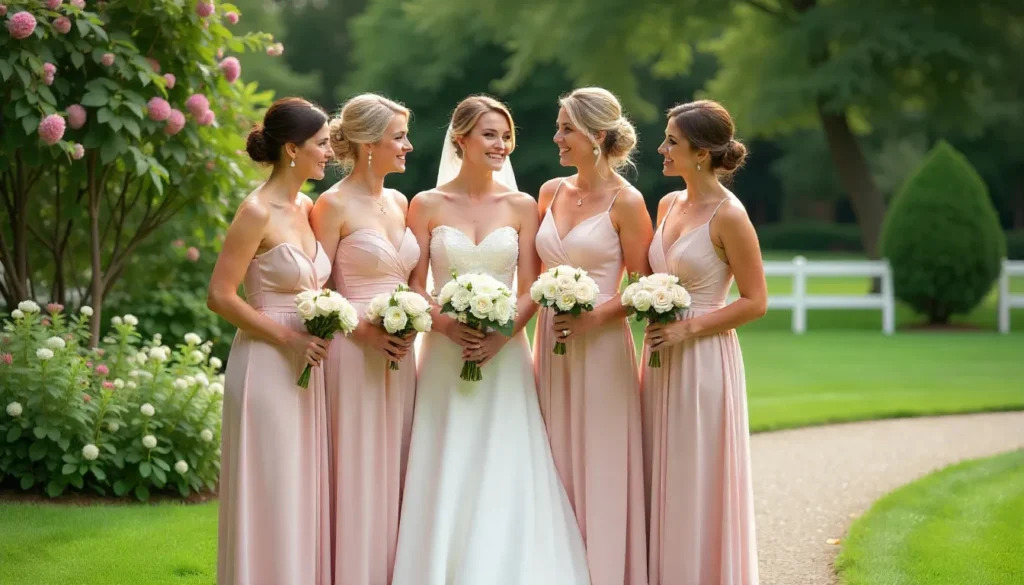
At their core, bridesmaid dresses are symbolic. They visually connect the bridal party, support the bride’s vision, and help create a cohesive aesthetic for the wedding. But beyond symbolism, they’re real garments worn for long hours during ceremonies, photos, walking, standing, dancing, and celebrating.
Modern bridesmaid dresses are no longer rigid uniforms. Over the years, expectations have shifted. Comfort, reusability, body inclusivity, and personal expression now matter just as much as tradition. Brides increasingly want their friends to feel like themselves, not like props in a photoshoot.
This shift is reflected in the rise of mix-and-match styles, flexible color palettes, and brands that prioritize fit and customization. Retailers like BHLDN helped popularize fashion-forward bridesmaid dresses, while accessible brands such as Azazie and Birdy Grey made coordinated looks easier and more affordable. Even high-street labels like ASOS now offer dedicated bridesmaid collections, reflecting how mainstream and flexible this category has become.
Why Choosing the Right Bridesmaid Dresses Matters
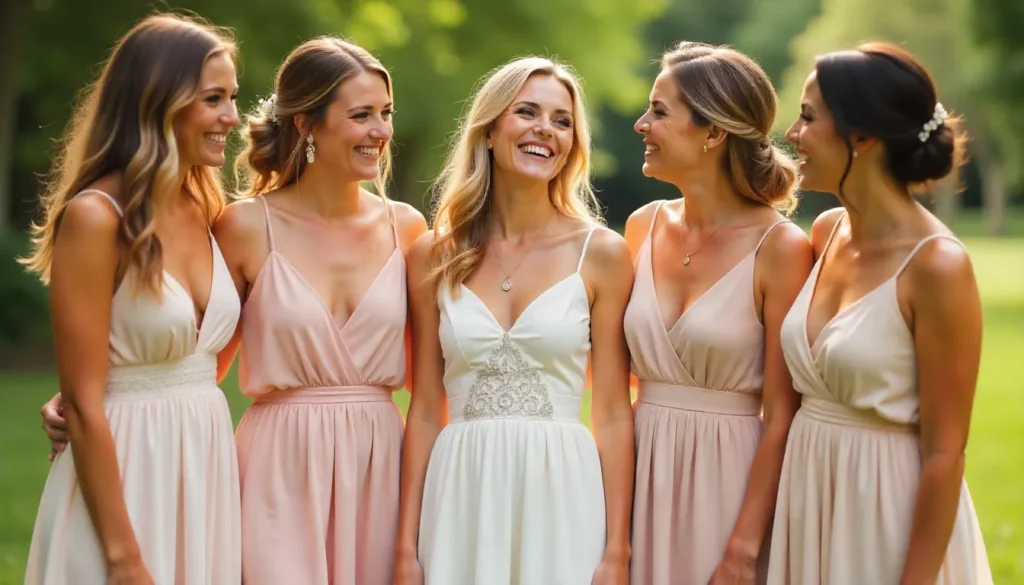
It’s tempting to think bridesmaid dresses are just one item on a long wedding checklist, but they have an outsized impact on the experience. When bridesmaids feel comfortable, confident, and respected, it shows in photos, energy, and overall atmosphere.
Good bridesmaid dresses reduce stress. They minimize last-minute alterations, wardrobe malfunctions, and emotional discomfort. They also signal care. Asking friends to stand beside you on a big day is meaningful, and choosing dresses that consider their needs reinforces that bond.
From a practical standpoint, the right dresses photograph better. Comfort translates into natural posture and genuine smiles. The goal isn’t perfection it’s ease.
Understanding Different Bridesmaid Dress Styles
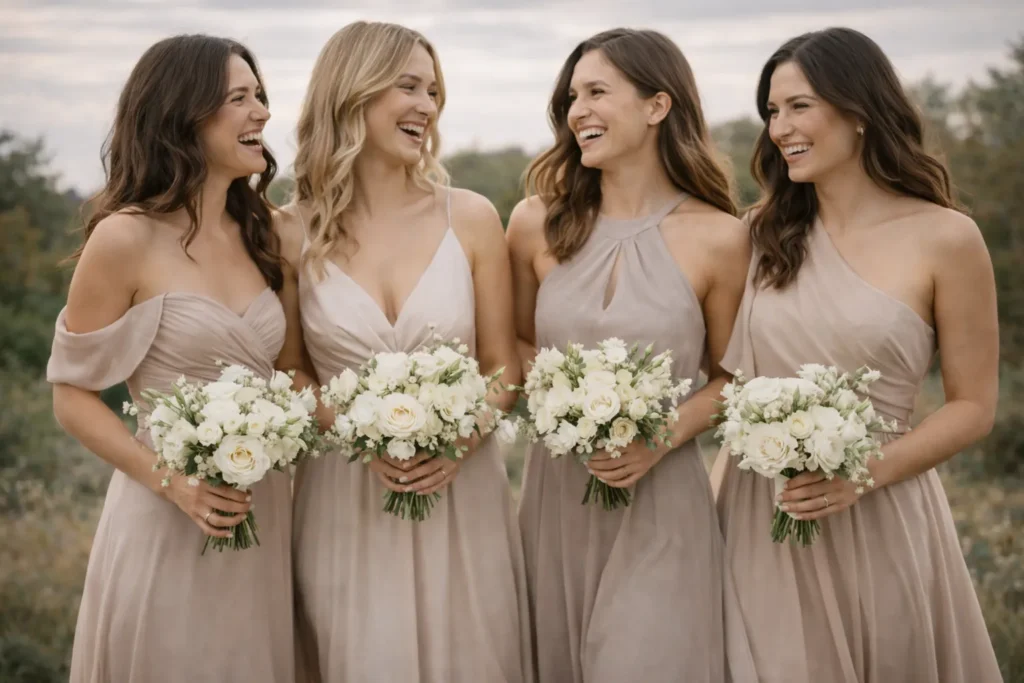
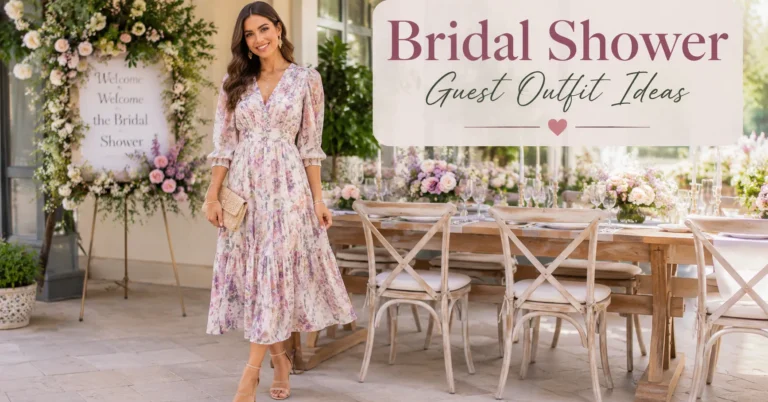
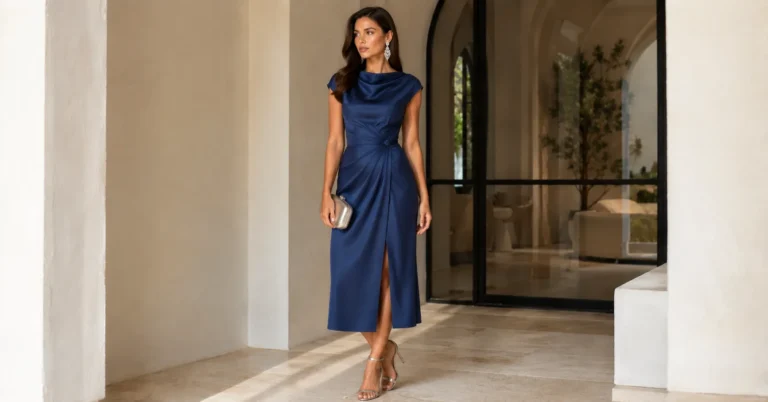
Bridesmaid dresses come in countless styles, but most fall into familiar categories. Floor-length gowns remain popular for formal weddings, offering elegance and visual continuity. Midi and knee-length dresses suit semi-formal or outdoor celebrations, especially in warmer climates.
Silhouettes matter more than trends. A-line dresses tend to flatter most body types, while wrap styles offer adjustability. Empire waists can feel comfortable for those who prefer less structure, while fitted silhouettes appeal to those who enjoy tailored looks.
Necklines also play a role in comfort and confidence. Some bridesmaids feel great in strapless designs, while others prefer sleeves or higher coverage. The best choices acknowledge these differences rather than ignoring them.
Step-by-Step: How to Choose Bridesmaid Dresses Without Stress
The process works best when it starts with clarity. Before looking at dresses, it helps to define the overall wedding vibe. Is it formal or relaxed? Indoor or outdoor? Seasonal or destination-based? These factors naturally narrow down fabric, length, and style options.
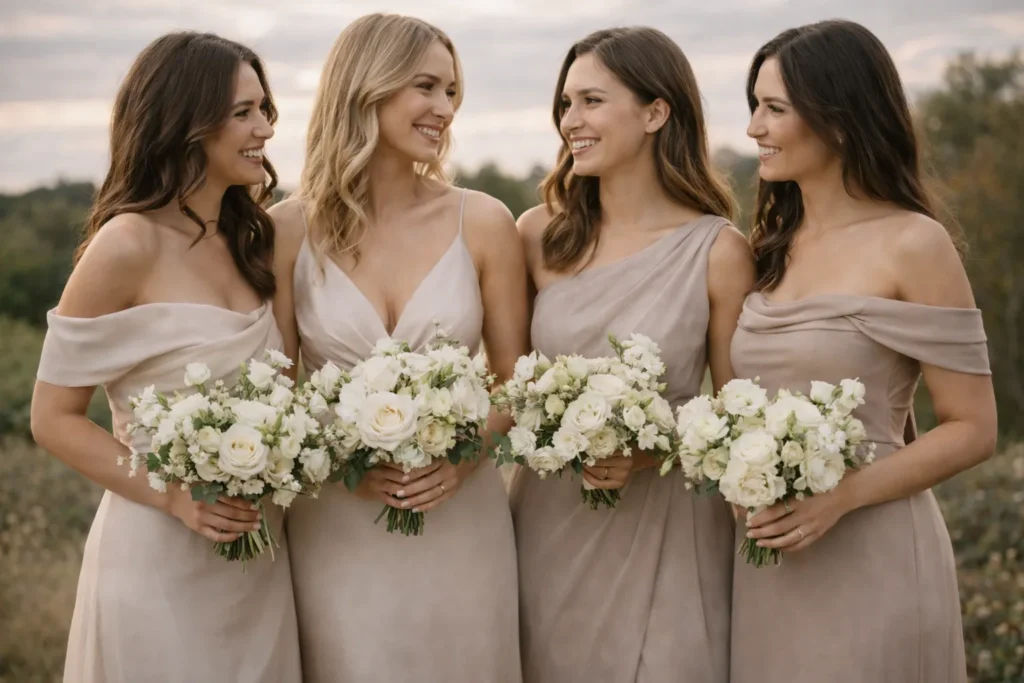
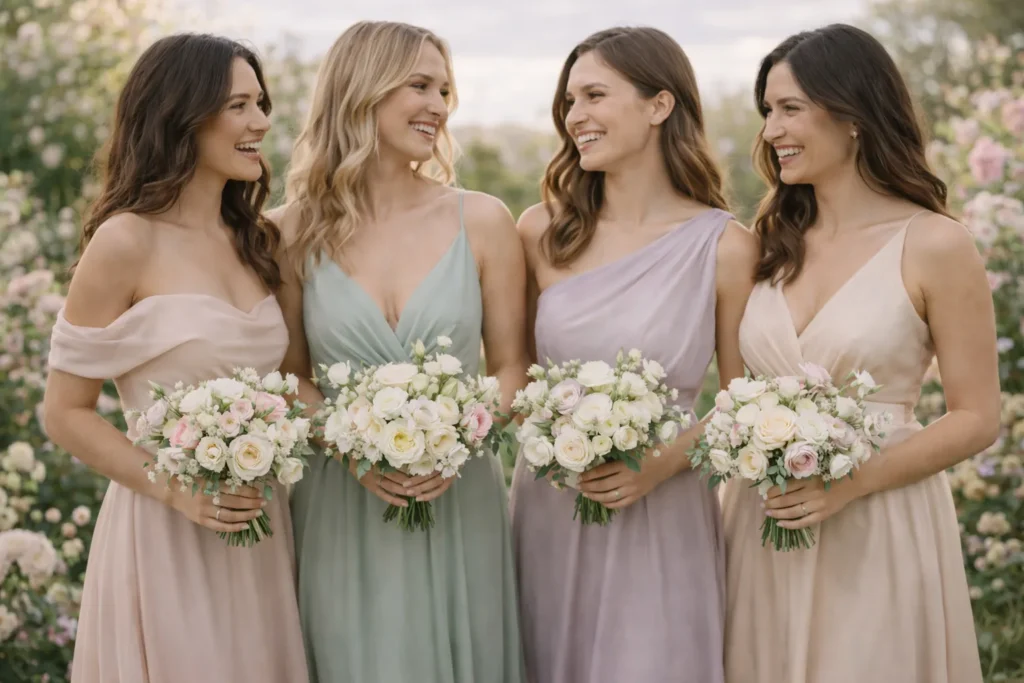
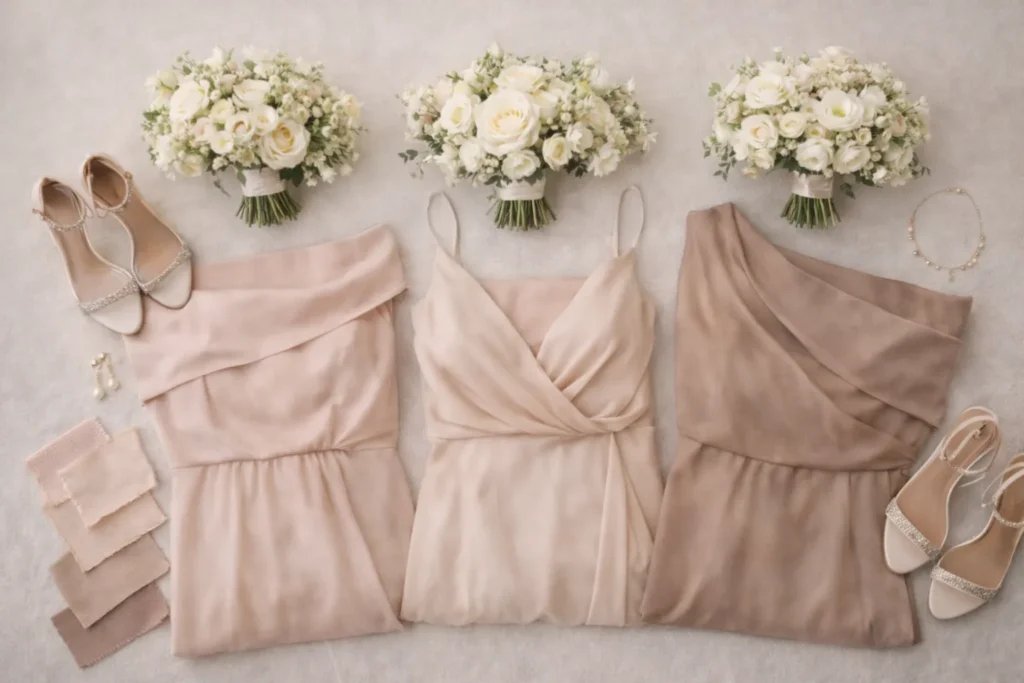
Next comes color. Rather than fixating on a single exact shade, many modern weddings choose a color family. Soft neutrals, muted pastels, jewel tones, or earthy hues allow flexibility while maintaining cohesion. This approach makes it easier for bridesmaids to find dresses they feel good in.
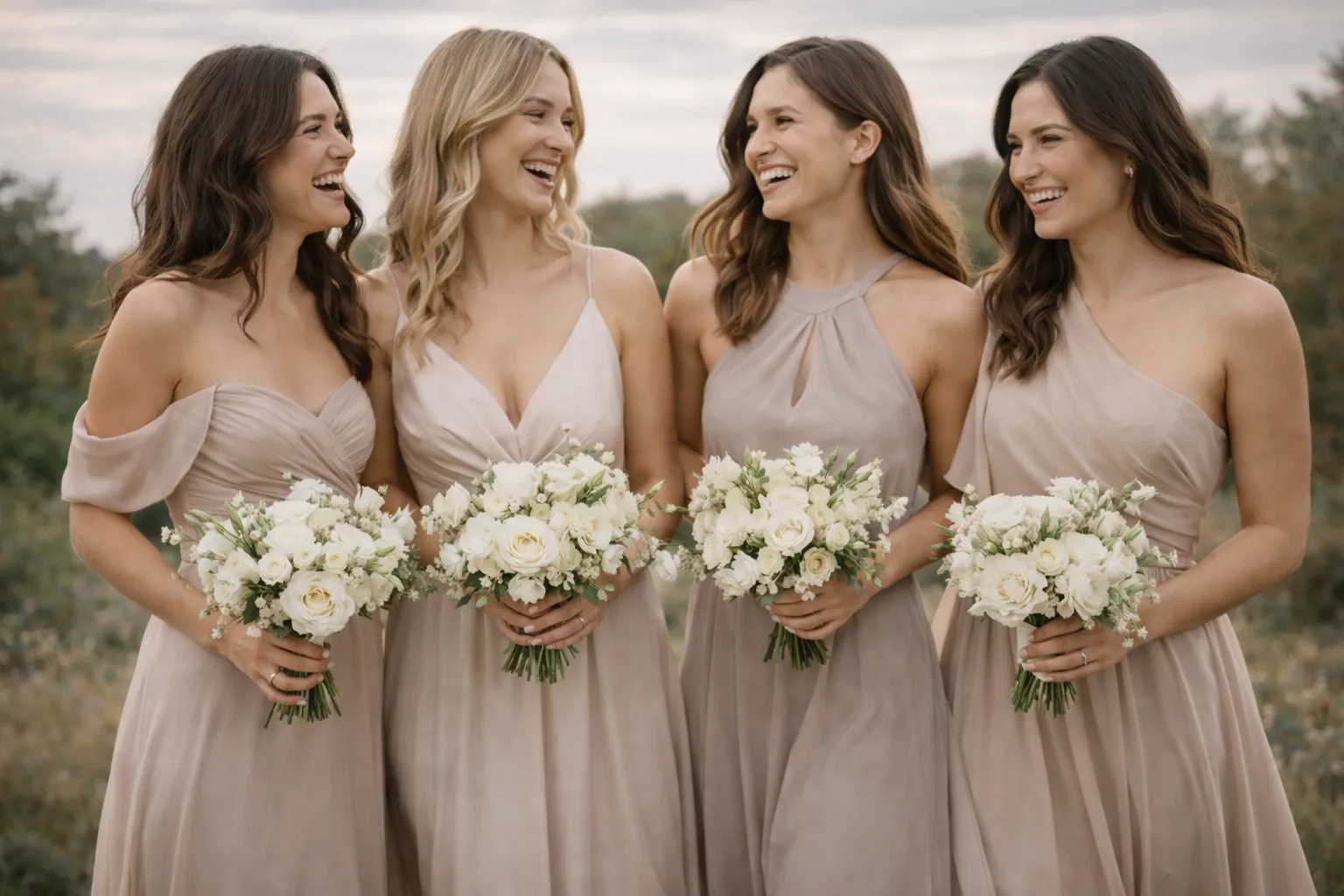
Once color direction is clear, think about flexibility. Allowing different styles in the same fabric or shade gives each person room to choose what suits them best. This is where mix-and-match really shines.
Finally, set clear expectations early. Share timelines, budgets, and guidelines openly. Transparency prevents misunderstandings and resentment.
Fabrics, Comfort, and Real-World Wearability
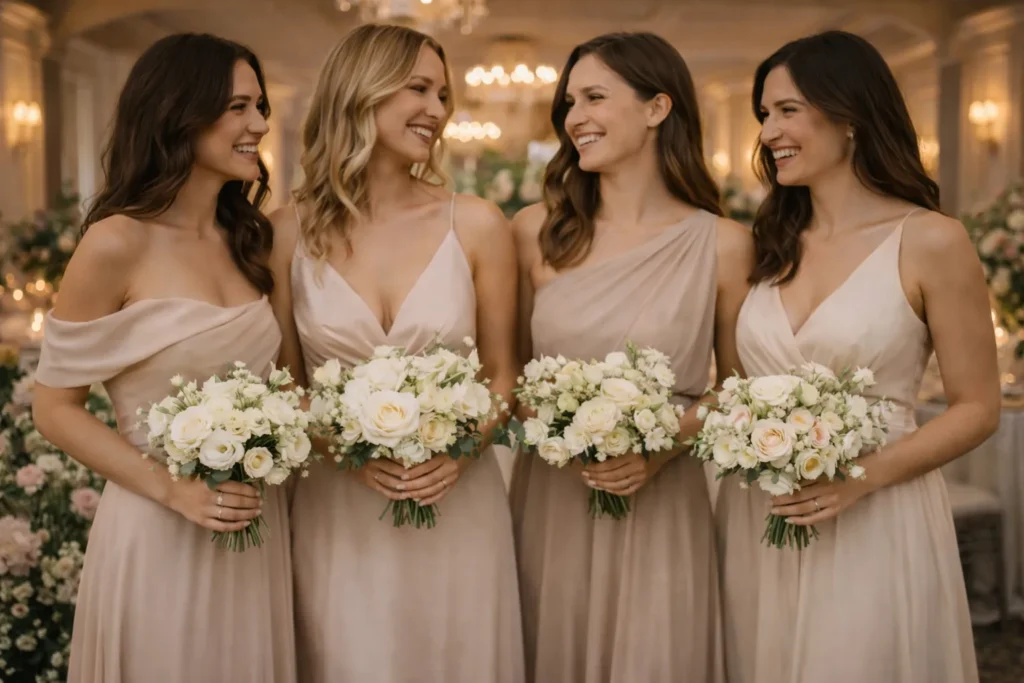
Fabric choice is one of the most overlooked aspects of bridesmaid dresses, yet it affects everything from comfort to movement to appearance. Lightweight chiffon flows beautifully and works well in warm weather. Satin looks luxurious but can show creases and may feel restrictive. Crepe offers structure without stiffness, while tulle adds softness and volume.
Breathability matters, especially for long ceremonies or outdoor venues. A dress that looks beautiful but traps heat can quickly become uncomfortable. It’s also worth considering how fabrics photograph in different lighting conditions.
A truly successful bridesmaid dress feels good from the first fitting to the last dance.
Bridesmaid Dresses for Different Body Types and Preferences
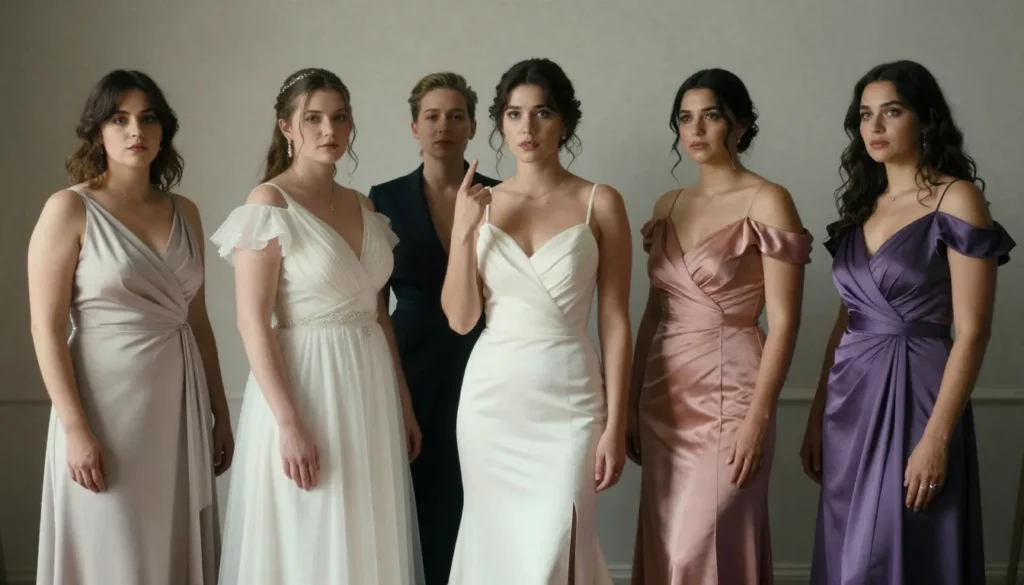
One of the biggest mistakes in the past was assuming one dress could work for everyone. Bodies are diverse, and acknowledging that is not just kind it’s practical. Inclusive sizing, adjustable features, and multiple style options help ensure everyone feels seen.
Some bridesmaids may prioritize arm coverage, others waist definition, others freedom of movement. There’s no single right preference. The goal is balance: honoring the bride’s vision while respecting individual comfort.
Brands that offer custom sizing or try-at-home programs have made this easier than ever, reducing anxiety around fit.
Budgeting and Cost Conversations
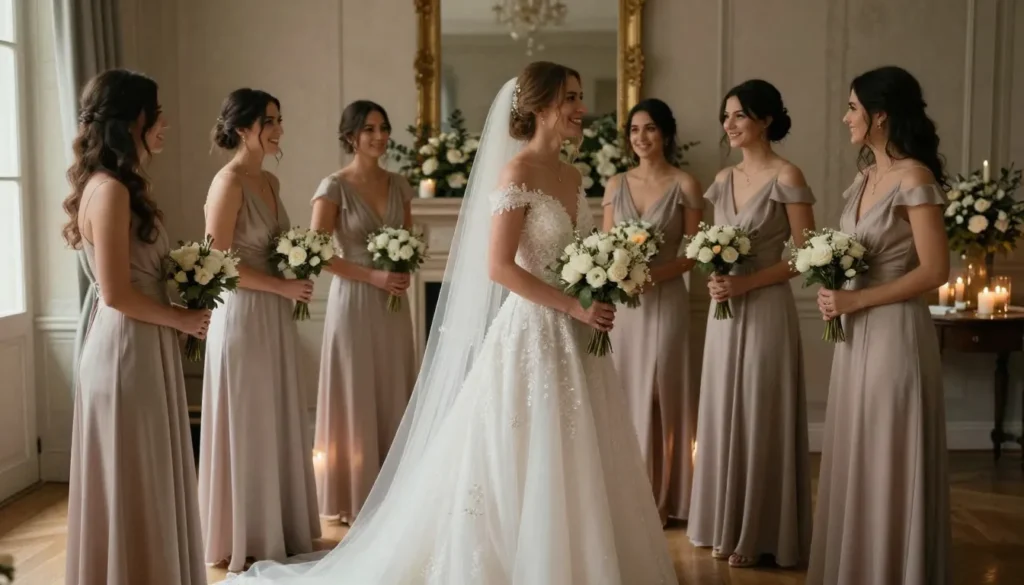
Money can be an uncomfortable topic, but avoiding it creates more problems than it solves. Bridesmaid dresses should align with realistic budgets. Affordable doesn’t mean cheap; it means thoughtful.
Many brides now choose dresses that can be worn again, justifying the cost. Neutral colors and simple silhouettes lend themselves to reuse for other events.
Clear communication about price range early on prevents awkward conversations later.
Common Mistakes to Avoid With Bridesmaid Dresses
One common mistake is prioritizing photos over people. A dress that looks amazing in pictures but causes discomfort will affect the entire day. Another mistake is waiting too long. Ordering late leads to rushed alterations and limited options.
Ignoring feedback is another pitfall. While the bride’s vision matters, dismissing every concern can strain relationships. Compromise doesn’t weaken the vision it strengthens the experience.
Tools and Resources That Make the Process Easier
Modern tools have transformed bridesmaid dress shopping. Online color swatches, virtual try-ons, and home fitting programs save time and stress. Group chats or shared boards help keep everyone aligned without constant back-and-forth.
Professional tailoring is another invaluable resource. Even the best dress benefits from small adjustments that improve fit and comfort.
Real-World Bridesmaid Dress Scenarios
In destination weddings, lightweight, packable dresses reduce travel stress. For winter weddings, richer fabrics and longer sleeves add warmth without sacrificing style. Cultural weddings may blend traditional attire with modern silhouettes, honoring heritage while maintaining cohesion.
Each scenario benefits from flexibility and intention rather than rigid rules.
Bridesmaid Dresses vs. Trends: What Lasts
Trends come and go—ruffles, ultra-specific shades, dramatic cuts but timeless elements endure. Clean lines, flattering fits, and wearable colors age better in photos and memories.
Choosing dresses with longevity in mind benefits everyone involved.
Conclusion:
Bridesmaid dresses are often remembered long after the wedding day not just for how they looked, but for how they felt to wear. When chosen thoughtfully, they become part of a positive, shared memory rather than a source of stress. The most successful bridesmaid dresses are not about control or perfection; they are about balance. They balance the bride’s vision with real bodies, real budgets, and real comfort.
What truly matters is intention. Taking time to consider fabric, fit, flexibility, and honest communication shows appreciation for the people standing beside you. When bridesmaids feel comfortable and confident, it shows in every photo, every laugh, and every moment of the celebration. A beautiful wedding is one where everyone feels included, supported, and free to enjoy the day.
If there’s one takeaway to remember, it’s this: bridesmaid dresses should support the celebration, not compete with it. When the dresses feel right, everything else falls into place more naturally.
Frequently Asked Questions (FAQs)
Do bridesmaid dresses have to match exactly?
No, they don’t. Many modern weddings use coordinated colors or fabrics with different styles. This approach creates visual harmony while allowing each bridesmaid to choose a dress that suits her body and comfort level.
How far in advance should bridesmaid dresses be chosen?
Ideally, dresses should be selected at least five to six months before the wedding. This allows enough time for ordering, shipping, fittings, and alterations without unnecessary stress.
Who usually pays for bridesmaid dresses?
This depends on culture, budget, and personal preference. In many cases, bridesmaids pay for their own dresses, but some brides choose to cover part or all of the cost. The most important thing is being upfront and considerate.
What if a bridesmaid doesn’t feel comfortable in the chosen dress?
Open communication is key. Allowing alternative styles in the same color or fabric often solves the issue. Comfort and confidence will always look better than forced uniformity.
Are bridesmaid dresses meant to be worn again?
They can be, especially if chosen thoughtfully. Neutral colors, simple silhouettes, and versatile fabrics increase the chances that a bridesmaid will rewear the dress for other events.
How can brides choose dresses that suit different body types?
Offering multiple silhouettes, adjustable features, and inclusive sizing helps ensure everyone feels comfortable. A single style rarely works for every body, and flexibility makes a big difference.
What is the most common mistake people make with bridesmaid dresses?
The biggest mistake is prioritizing aesthetics over comfort. A dress that looks great but feels uncomfortable can affect the entire day. Happy bridesmaids always make for a better celebration.