Cozy Outfits: How Comfort Became the New Definition of Style
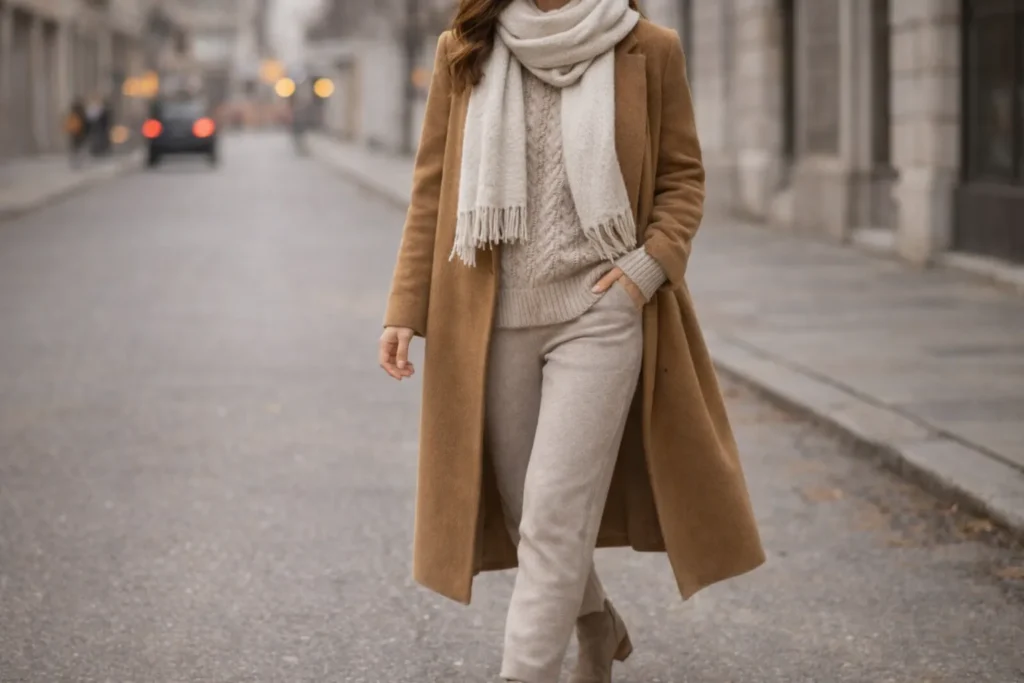
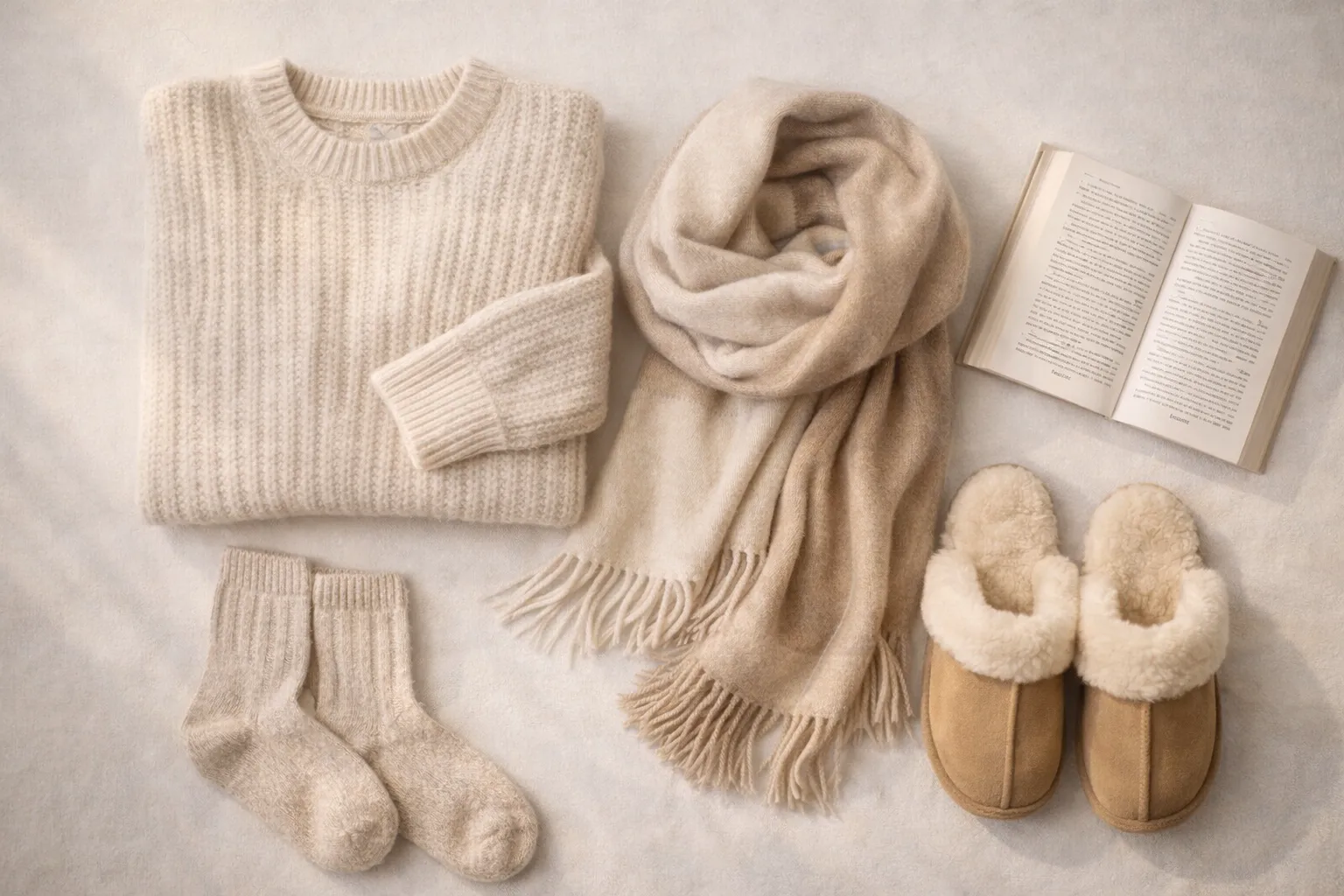
A few winters ago, on a quiet Sunday morning, I slipped into an old oversized sweater, soft leggings, and wool socks before making coffee. There was nowhere to go and nothing impressive planned, yet I felt unusually content. Later that day, I stepped out to grab groceries without changing. A stranger complimented my outfit, saying it looked “effortlessly cozy.” That moment stayed with me because it perfectly captured what cozy outfits are really about. They aren’t lazy. They aren’t careless. They’re intentional comfort, worn with confidence.
In a world that moves fast and demands a lot, cozy outfits have quietly become a form of self-care. They sit at the intersection of comfort, warmth, and personal style. Whether you’re working from home, running errands, traveling, or simply winding down, cozy clothing has evolved from something we hid indoors to something we proudly build outfits around.
This guide is a deep, practical, human look at cozy outfits. We’ll talk about what makes an outfit truly cozy, why it matters more than ever, how to build cozy looks step by step, what materials and tools help, and the mistakes that can turn “cozy” into sloppy. If you’ve ever wanted to feel comfortable without sacrificing style, you’re exactly where you need to be.
What Cozy Outfits Really Mean Today

Cozy outfits used to be associated with worn-out sweatpants and oversized hoodies reserved for home. Today, the meaning has shifted. Cozy now refers to clothing that feels good on the body, supports movement, regulates temperature, and still looks presentable and stylish.
Modern cozy outfits are built on softness, thoughtful layering, breathable fabrics, and relaxed silhouettes. They are not about hiding your body or giving up on fashion. Instead, they’re about choosing clothes that work with your life rather than against it.
Brands like Uniqlo helped normalize cozy basics with clean designs and soft materials, while outdoor-inspired labels such as Patagonia showed that warmth and function could coexist with everyday style. Even athletic brands like Nike blurred the line between performance wear and daily comfort, making cozy outfits part of mainstream fashion.
Why Cozy Outfits Matter More Than Ever

There’s a reason cozy outfits have become a lifestyle rather than a trend. Our routines changed. Remote work, flexible schedules, and a stronger focus on mental well-being shifted how people dress. Clothes that restrict, itch, or demand constant adjustment simply don’t fit modern life.
Cozy outfits support comfort without mental effort. When you’re not constantly pulling at tight seams or adjusting stiff fabrics, your attention goes where it matters. That sense of ease has a psychological impact. Soft textures and warm layers can reduce stress and make you feel grounded, especially during colder months or emotionally demanding days.
There’s also sustainability to consider. Cozy wardrobes often rely on fewer, better-quality pieces worn repeatedly in different ways. This moves people away from fast, disposable fashion toward intentional dressing.
The Core Elements of a Cozy Outfit
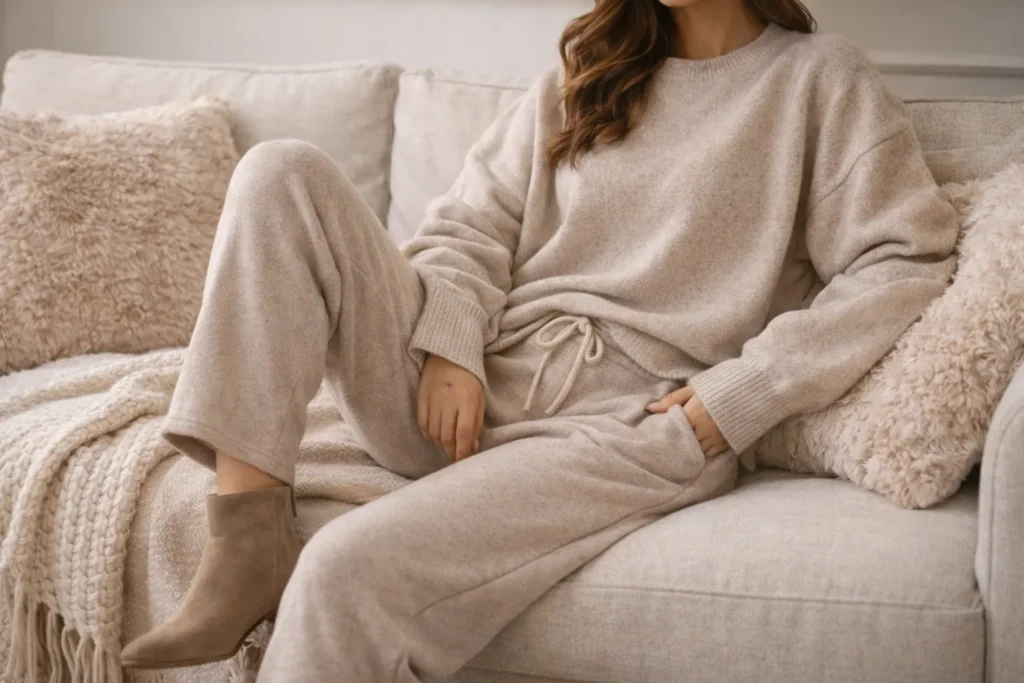
At the heart of every cozy outfit is fabric. Materials like cotton, fleece, wool, cashmere, and modal define how an outfit feels against your skin. Breathability matters just as much as softness, especially if you’re layering.
Fit is equally important. Cozy doesn’t mean oversized to the point of shapeless. It means relaxed but intentional. A slightly loose sweater paired with well-fitting bottoms feels cozy and put together, while overly baggy everything can look careless.
Layering is another essential element. Cozy outfits work because they adapt. A base layer keeps you comfortable, a mid-layer adds warmth, and an outer layer provides structure. When done right, layering creates depth and visual interest while keeping you warm.
How to Build Cozy Outfits Step by Step

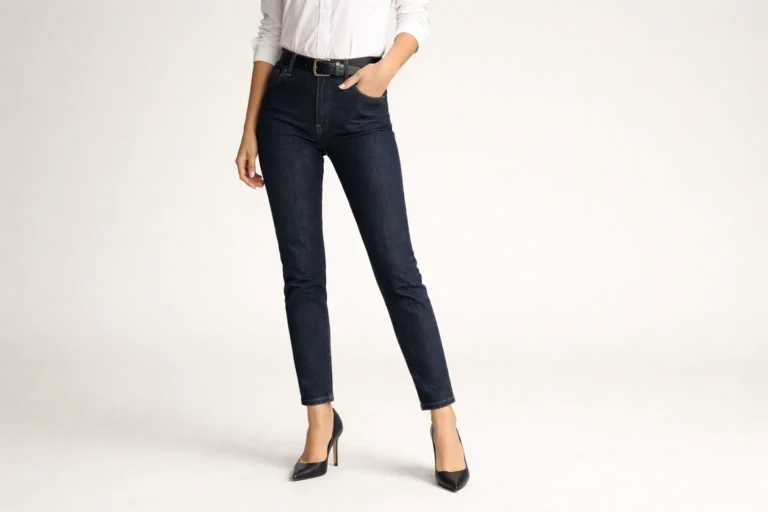
Start with a base that feels good the moment you put it on. This could be soft leggings, relaxed-fit joggers, or straight-leg knit pants. The goal is freedom of movement and zero irritation. If the base layer doesn’t feel good, nothing you add on top will fix that.
Next, add a top layer that provides warmth without bulk. Knit sweaters, brushed sweatshirts, and long-sleeve tees made from quality fabric work best. Pay attention to how the fabric drapes. Cozy outfits benefit from natural flow rather than stiffness.
After that, introduce an outer layer if needed. Cardigans, shackets, hoodies, or soft jackets add dimension. This is where you can subtly shape the outfit by choosing something slightly structured.
Finish with thoughtful details. Soft socks, comfortable sneakers, ankle boots, or even a scarf can elevate a cozy outfit from homewear to street-ready. The process is simple, but each step builds intention.
Cozy Outfits for Real Life, Not Just Photos

One of the biggest misconceptions about cozy outfits is that they only work at home. In reality, they adapt beautifully to everyday life. For work-from-home days, cozy outfits help create a sense of routine without sacrificing comfort. Changing into a soft but styled outfit can mentally separate rest from productivity.
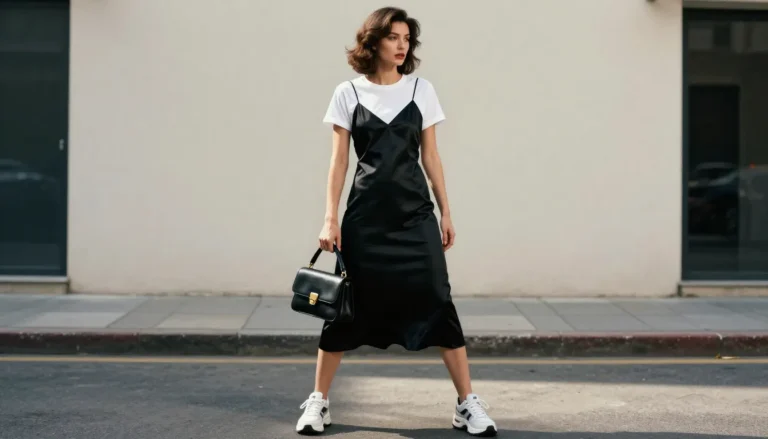
For errands or casual outings, cozy outfits save time and energy. A matching knit set or neutral layers can look polished with minimal effort. When traveling, cozy clothing is almost essential. Long flights, car rides, and waiting periods become far more comfortable in soft, layered outfits that adjust to temperature changes.
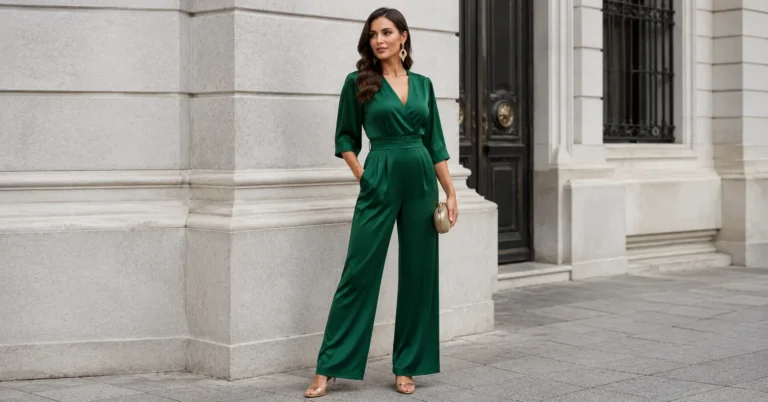
Even social settings have shifted. Casual dinners, coffee meetups, and relaxed gatherings now welcome cozy-chic looks that feel authentic rather than overstyled.
Cozy vs. Loungewear vs. Athleisure

It’s easy to confuse these terms, but they serve different purposes. Loungewear prioritizes comfort above all else and is often designed specifically for home. Athleisure blends athletic performance with casual wear and usually has a sporty edge.
Cozy outfits sit in between. They borrow comfort from loungewear and practicality from athleisure but focus on softness, warmth, and everyday versatility. Cozy outfits don’t look like you’re heading to the gym, and they don’t look like pajamas either. That balance is what makes them so wearable.
Tools and Essentials That Make Cozy Outfits Work
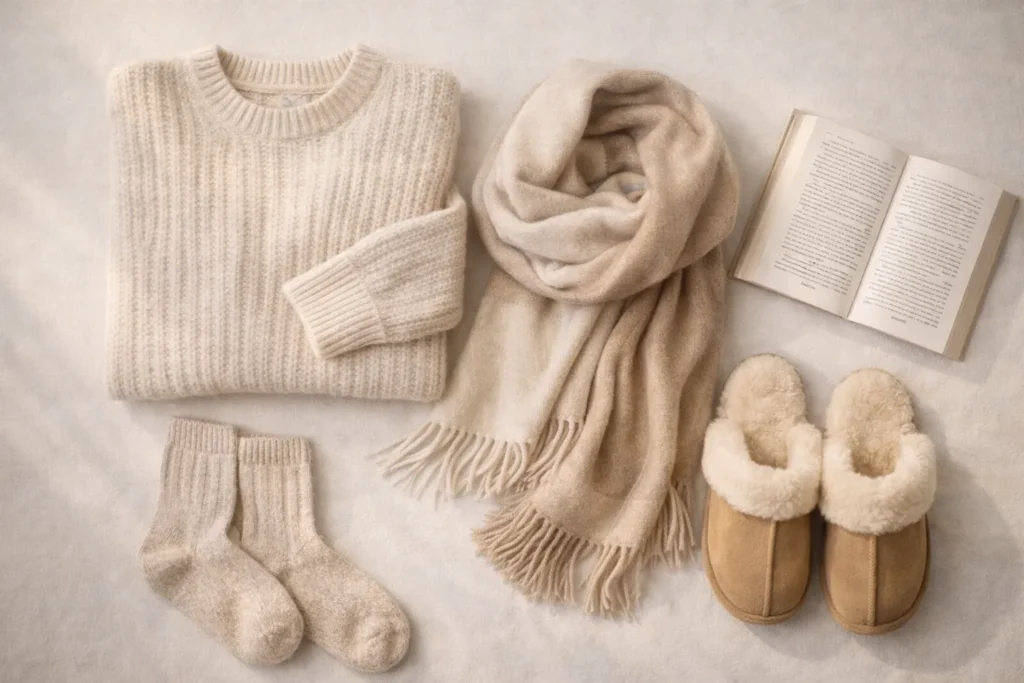
You don’t need many tools to build cozy outfits, but a few basics help. A fabric shaver keeps knits looking fresh. Proper storage prevents stretching and pilling. Gentle detergents maintain softness and color over time.
Quality matters more than quantity here. A few well-made sweaters and bottoms will outlast piles of cheap alternatives and feel better every time you wear them.
Common Mistakes That Ruin Cozy Outfits
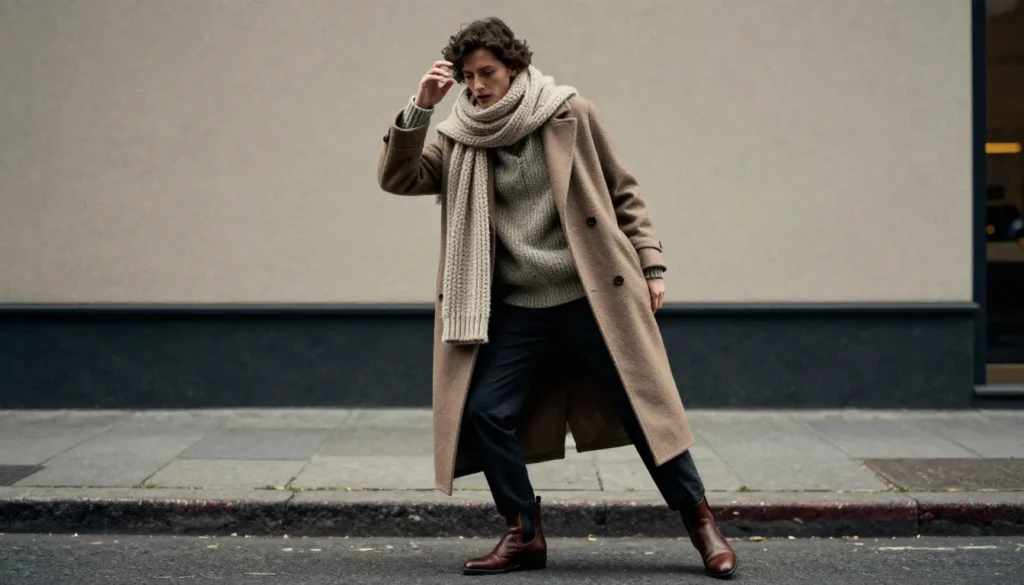
One common mistake is assuming cozy means sloppy. Wearing stretched-out or worn clothing can make even the softest outfit look careless. Cozy outfits still need structure and cleanliness.
Another mistake is ignoring fabric care. Washing soft materials incorrectly can ruin their texture and fit. Cozy clothing rewards gentle care.
Over-layering is another issue. Too many bulky layers can restrict movement and create discomfort. Cozy outfits should feel light, not heavy.
The Emotional Comfort of Cozy Clothing

Cozy outfits aren’t just about physical comfort. They create emotional safety. Wearing something soft and warm can feel like armor against stress. There’s a reason people reach for cozy clothes during hard times or slow weekends. They offer familiarity and calm.
This emotional connection often turns certain cozy pieces into favorites. The sweater you reach for again and again isn’t just warm; it’s reassuring.
Cozy Outfits Across Seasons
While cozy outfits shine in fall and winter, they’re not limited to cold weather. Lighter fabrics, breathable knits, and loose silhouettes make cozy dressing possible year-round. Summer cozy looks focus more on softness and airflow rather than warmth, proving that comfort isn’t seasonal.
Conclusion:
Cozy outfits have quietly reshaped the way we think about fashion. They remind us that style doesn’t have to be rigid, uncomfortable, or performative to be meaningful. When clothes feel good on your body, they naturally support your mood, confidence, and daily rhythm. That’s the real beauty of cozy dressing it works with your life instead of demanding energy from it.
What makes cozy outfits truly powerful is their flexibility. They adapt to slow mornings, busy afternoons, and relaxed evenings without needing constant changes. With the right fabrics, thoughtful layering, and a bit of intention, cozy outfits can look polished, modern, and expressive while still offering the comfort we all crave.
The takeaway is simple but important: comfort is not a compromise. Choosing cozy outfits is choosing ease, warmth, and authenticity. When you dress in a way that supports how you actually live, getting dressed stops feeling like a task and starts feeling like a form of care.
Frequently Asked Questions (FAQs)
Can cozy outfits still look stylish and put together?
Yes, absolutely. Cozy outfits look stylish when they are intentional. Clean lines, well-fitting pieces, quality fabrics, and simple layering make a huge difference. Cozy doesn’t mean messy it means relaxed and thoughtful.
Are cozy outfits only for staying at home?
Not at all. While cozy outfits are perfect for home, they also work beautifully for errands, casual workdays, travel, and social settings. The key is choosing pieces that balance softness with structure so they feel appropriate in public spaces.
What fabrics are best for cozy outfits?
Fabrics like cotton, fleece, wool, cashmere, and modal are ideal because they are soft, breathable, and comfortable for long wear. The best cozy outfits usually combine softness with temperature regulation.
How do I avoid looking sloppy in cozy clothing?
Fit and care matter. Choose relaxed but not oversized silhouettes, keep clothes clean and wrinkle-free, and avoid items that are stretched out or worn down. Adding one structured layer, like a cardigan or jacket, also helps
Can cozy outfits be worn year-round?
Yes. Cozy isn’t limited to cold weather. In warmer months, cozy outfits focus on lightweight fabrics, breathable knits, and loose fits that keep you comfortable without overheating.
How do I start building a cozy wardrobe?
Start with what you wear most often. Replace uncomfortable or stiff pieces with softer alternatives. You don’t need to overhaul your wardrobe just upgrade gradually with pieces that truly feel good to wear.
Are cozy outfits suitable for all ages and body types?
Absolutely. Cozy outfits are one of the most inclusive styles because they prioritize comfort and adaptability. With the right fit and fabric choices, cozy dressing works for everyone.