The Modern Guide to the Couple Matching Outfit
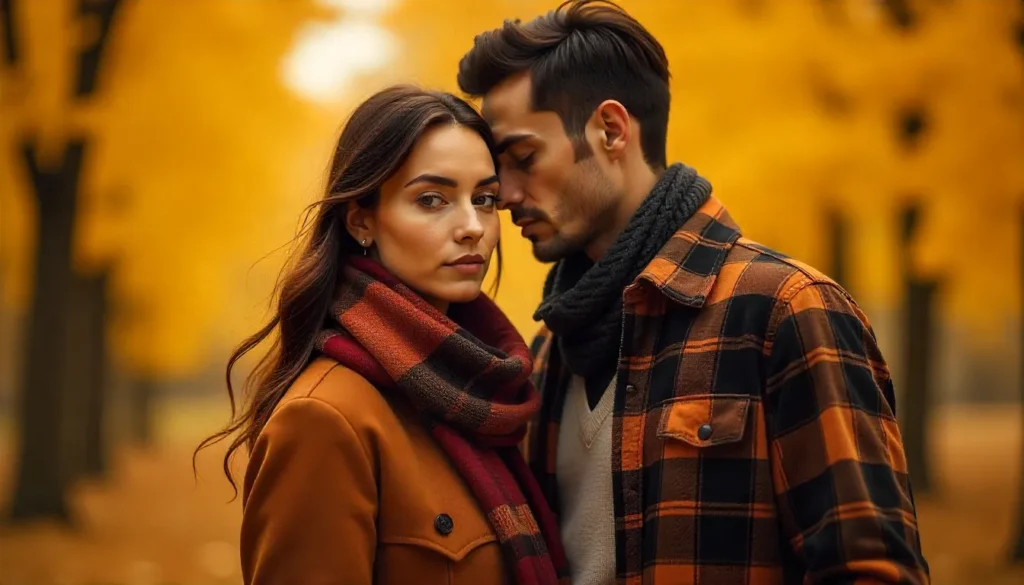
The concept of a couple matching outfit has come a long way from the identical cheesy t-shirts of the past. Today, it represents a stylish way for partners to showcase their connection, unity, and shared aesthetic. Whether you’re planning a special photoshoot, attending an event, or simply want to add a fun element to your daily style, coordinating your looks can be a powerful statement. It’s a visual language that says, “we’re a team,” without uttering a word.
This guide will explore the evolution of couples’ fashion, from overt matching to subtle coordination. We’ll provide actionable tips, outfit ideas for every occasion, and a look at the psychology behind why so many couples are embracing this trend. Get ready to elevate your partner style game from cringe to chic.
Why Do Couples Wear Matching Outfits?

Beyond just a fashion statement, the trend of wearing coordinated outfits taps into a deeper psychological connection between partners. It’s a non-verbal way to communicate unity and belonging.
A Symbol of Unity and Connection
At its core, dressing alike is a visual representation of a partnership. It signals to the world that you are a cohesive unit. This is especially popular in certain cultures, like in South Korea, where “keo-peul-look” (couple look) is a widespread and celebrated part of dating culture. It’s seen as a fun, romantic way to express affection publicly.
Creating Shared Memories
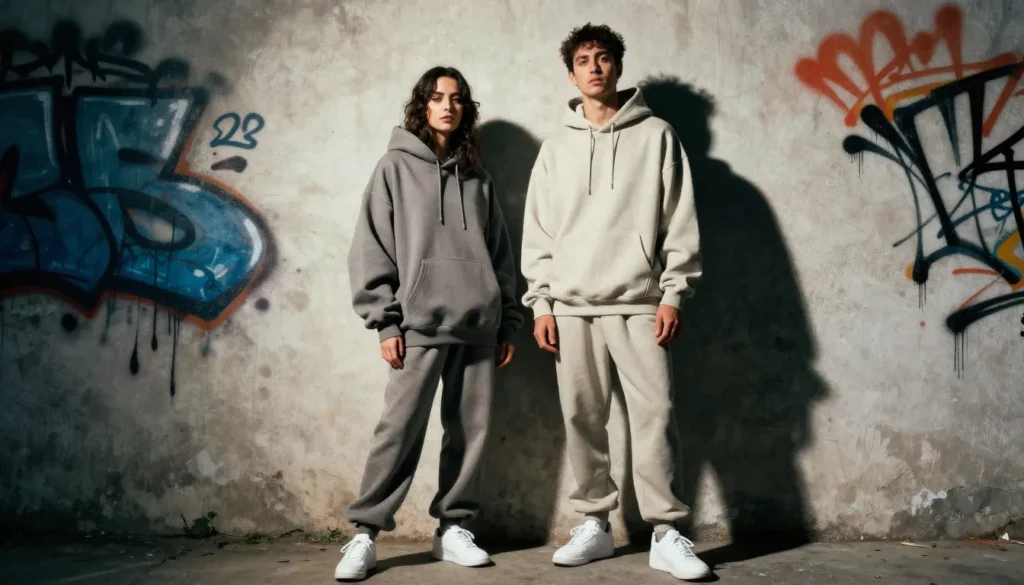
Coordinating outfits for special occasions—like vacations, holidays, or engagement photos—helps to create lasting, visually cohesive memories. When you look back at photos, the matching element ties the memory together, making it feel more special and deliberate. It turns a simple photo into a curated moment.
It’s Fun and Playful
Let’s not forget the simplest reason: it’s fun! Planning outfits together can be a creative bonding activity. It allows you and your partner to experiment with fashion and develop a shared style, adding a playful dynamic to your relationship.
The Spectrum of Matching: From Subtle to Statement
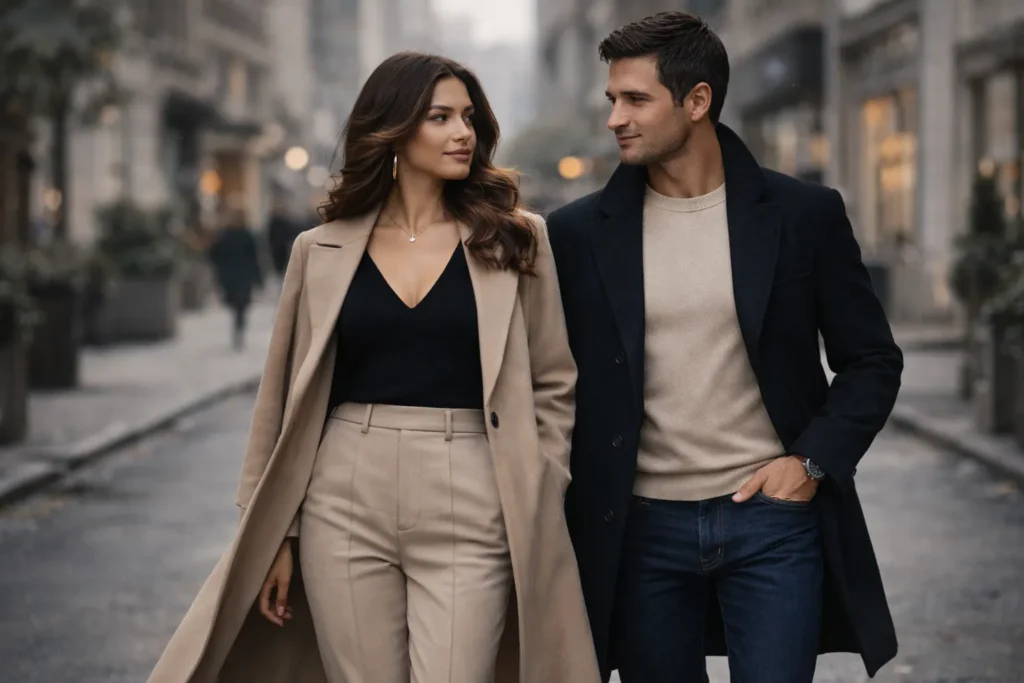
Not all couple matching outfits are created equal. The key to doing it well is finding the level of coordination that feels authentic to you and your partner. The spectrum ranges from nearly identical looks to subtle, complementary nods.
Level 1: Identical Outfits
This is the most direct approach, where both partners wear the exact same items.
- What it looks like: Both wearing the same graphic tee, the same branded hoodie, or identical pajama sets.
- Best for: Casual settings, themed parties, loungewear, or for a bold, humorous statement.
- Tip: This can easily look cheesy. To pull it off, make sure the item itself is stylish and fits both of you well.
Level 2: Complementary Colors
This is one of the easiest and most sophisticated ways to match. You and your partner choose a color palette and build your individual outfits from it.
- What it looks like: One partner wears a navy blue dress, and the other wears a light blue shirt with navy trousers. Or, you both wear outfits in earthy tones like olive, beige, and brown.
- Best for: Weddings, formal events, family gatherings, and photoshoots.
- Tip: Stick to a palette of two or three colors to keep the look cohesive without being overwhelming.
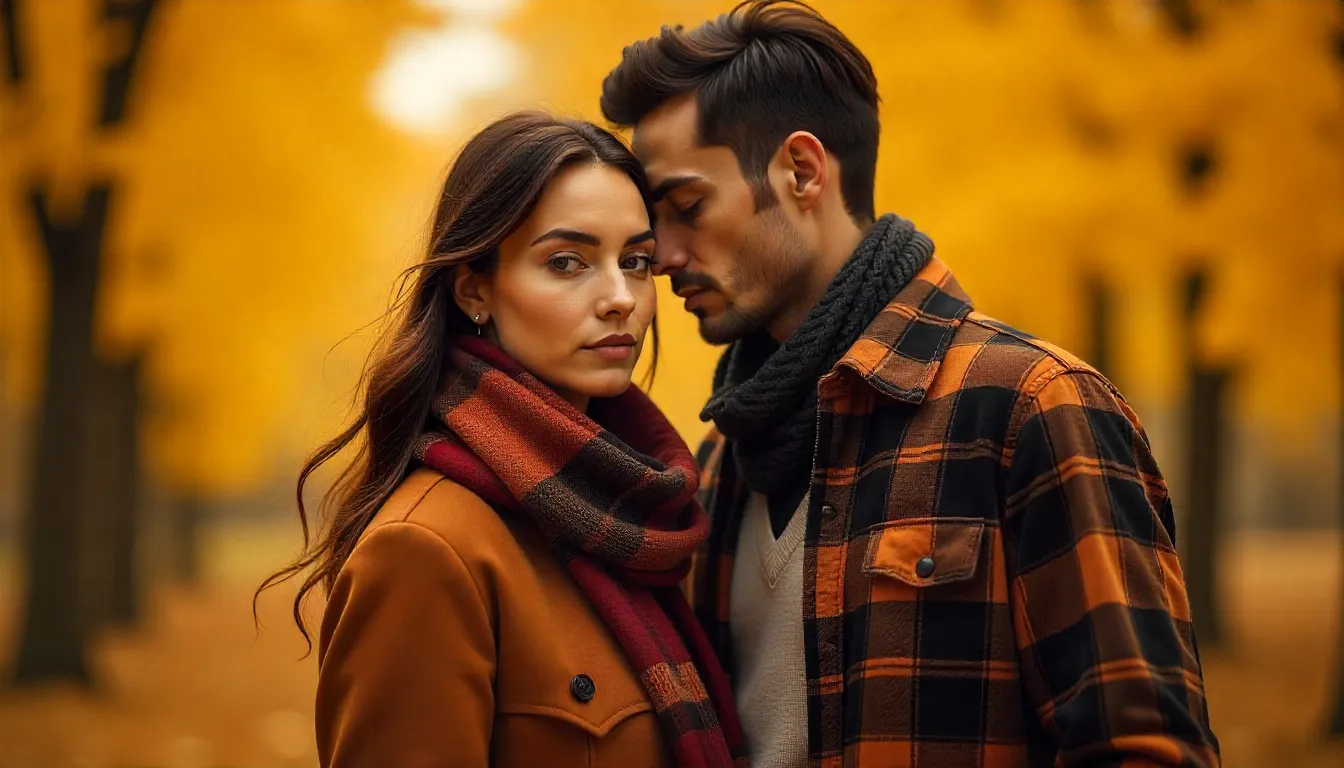
Level 3: Shared Pattern or Print
You don’t wear the same item, but you both incorporate the same pattern into your looks.
- What it looks like: One person wears a plaid scarf, and the other wears a plaid button-down shirt. One wears a striped dress, the other a striped sweater.
- Best for: Casual dates, fall outings (plaid is perfect!), and creative photos.
- Tip: Vary the scale of the print. For example, a wide-striped shirt can complement a thin-striped dress.
Level 4: Themed or Aesthetic-Based Matching
This is about dressing for the same vibe or aesthetic rather than matching specific items or colors.
- What it looks like: Both of you are dressed in a “Dark Academia” style with tweed and turtlenecks, or you both adopt a 90s grunge look with flannels and combat boots.
- Best for: Couples with a strong, shared personal style.
- Tip: This is the most advanced form of matching, as it relies on a deep understanding of fashion and personal expression.
Couple Matching Outfit Ideas for Every Occasion
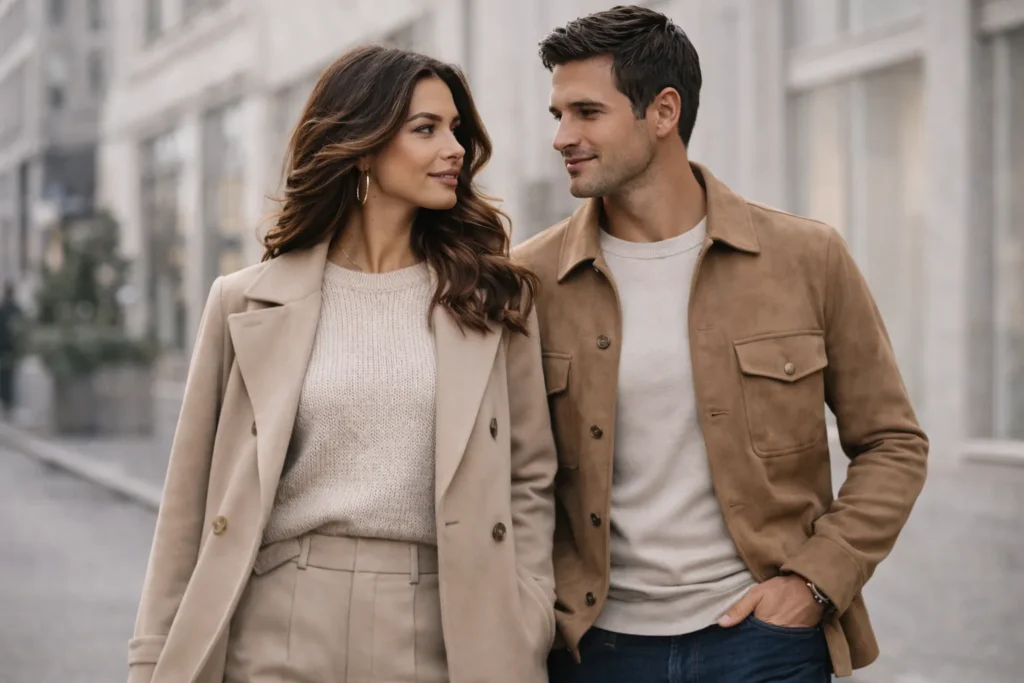
Not sure where to start? Here are some practical outfit ideas broken down by event.
For a Casual Date (Coffee Run, Movies)
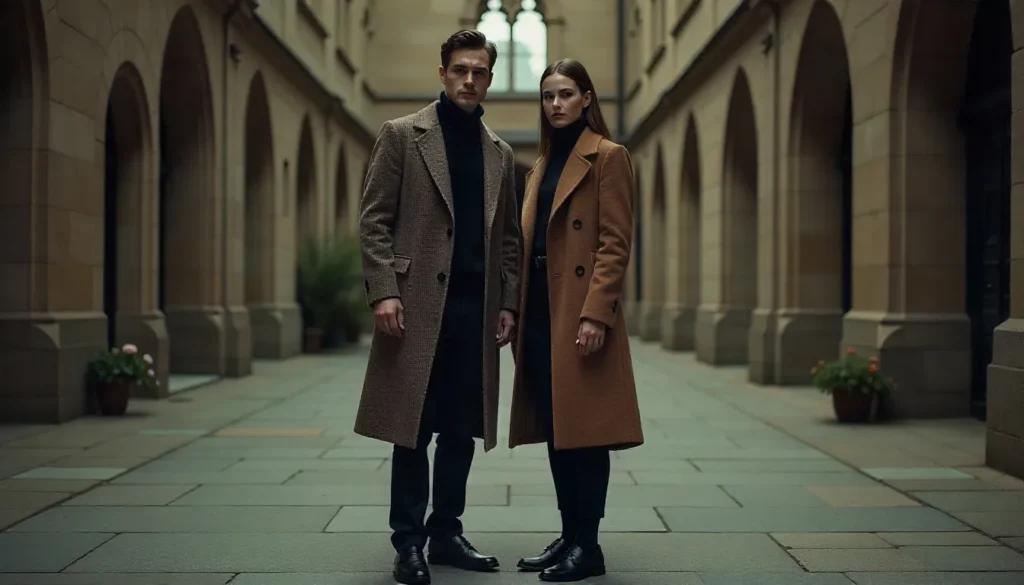
The goal here is comfort and effortless cool.
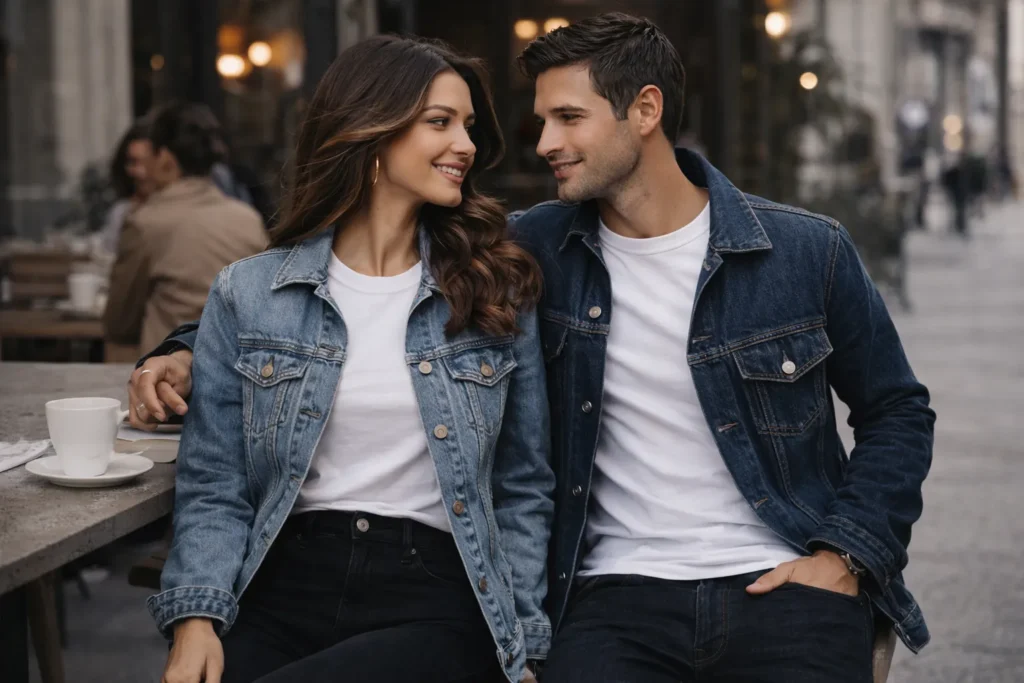
- The Look: Coordinated Jackets. You wear a classic denim jacket, and your partner wears one in a different wash (e.g., light blue and black). Pair them with neutral basics like white tees and black jeans.
- Why it works: It’s a subtle nod that shows you’re in sync without trying too hard. The different washes keep it from looking like a uniform.
For a Vacation Photoshoot
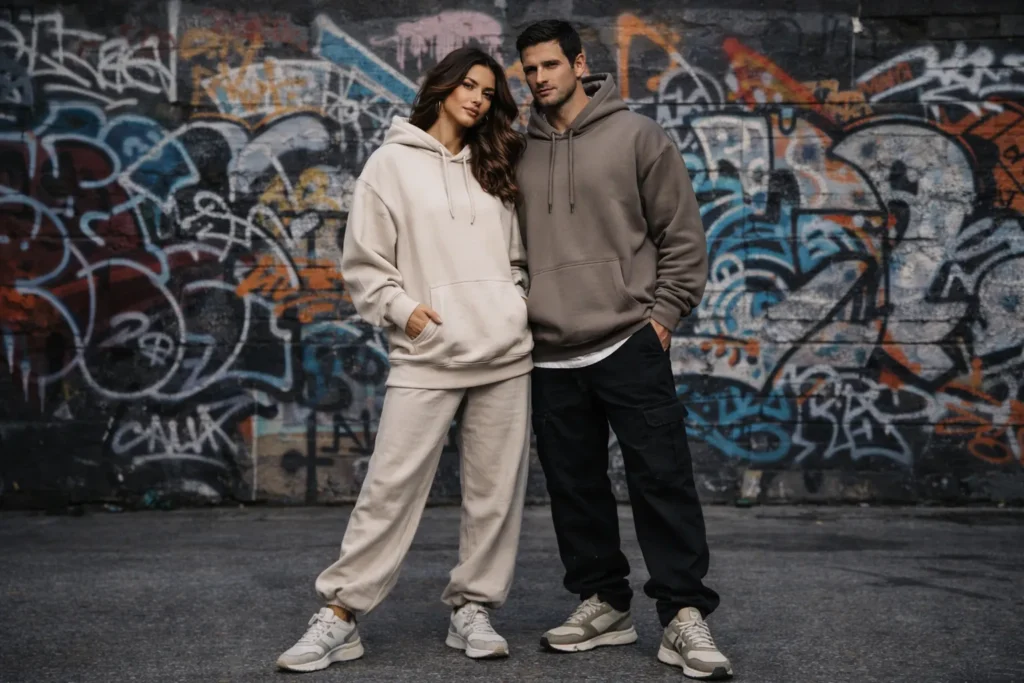
Vacations are the perfect time to go a little bolder with your matching.
- The Look: The “White & Khaki” Combo. This is a timeless beach vacation look. One partner can wear a white linen dress, and the other can wear a white linen shirt with khaki shorts or pants.
- Why it works: The light, airy fabrics look great against a tropical backdrop, and the simple color palette is elegant and photogenic.
For a Formal Event (Wedding, Gala)
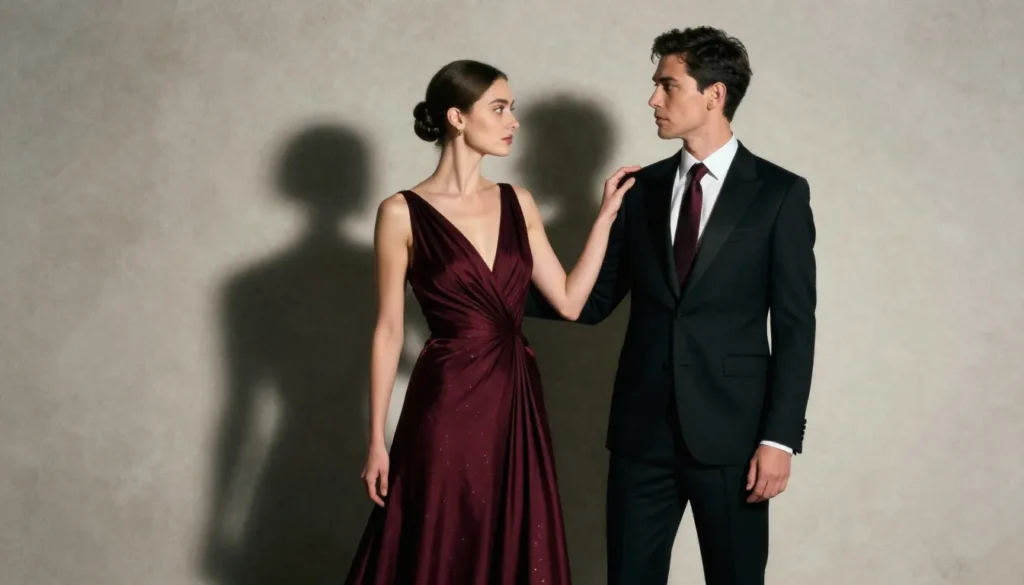
Elegance and sophistication are key. This is where color coordination shines.
- The Look: Complementary Formalwear. If one partner is wearing a deep burgundy gown, the other can wear a matching burgundy tie or pocket square with their suit.
- Why it works: It’s a classic, refined way to show you’re a pair. It demonstrates attention to detail and impeccable taste.
For a Cozy Night In
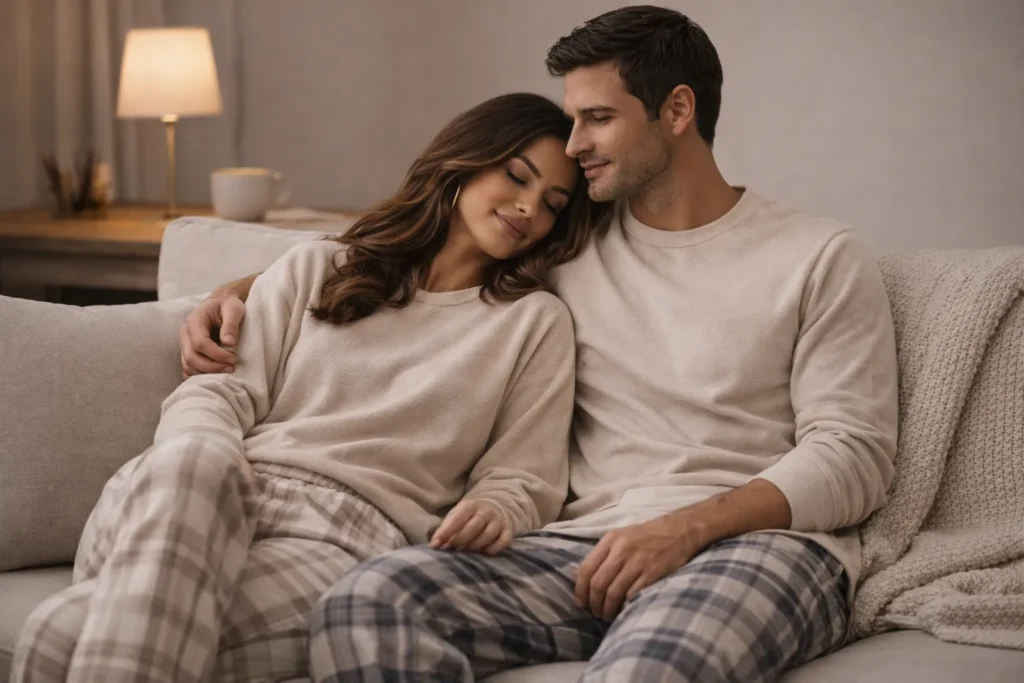
Who says matching is only for going out?
- The Look: Matching Pajama Sets or Loungewear. Opt for a stylish plaid flannel pajama set or a comfy grey sweatsuit for both of you.
- Why it works: It’s cute, comfortable, and makes a regular night at home feel a little more special and connected.
The Dos and Don’ts of Couple Coordination
To ensure your matching moment is a success, keep these simple rules in mind.
DO:
- Do communicate and plan together. The fun is in the collaboration. Make sure both partners feel comfortable and confident in the chosen outfits.
- Do consider your personal styles. The best couple outfits still allow each person’s individuality to shine through.
- Do start with accessories. If you’re new to this, try matching with smaller items first, like sneakers, hats, or sunglasses.
- Do prioritize fit. An ill-fitting matching outfit will look awkward no matter how stylish the concept is.
DON’T:
- Don’t force it. If your partner isn’t into it, don’t push them. It should be a fun activity, not a chore.
- Don’t overdo it for everyday wear. Head-to-toe identical outfits can be a bit much for a trip to the grocery store. Save the big statements for special occasions.
- Don’t sacrifice comfort for style. You should both be able to move and feel good in what you’re wearing.
- Don’t wear cheesy, text-based shirts (e.g., “I’m with him ->”) unless it’s for an ironic, themed party.
Where to Shop for Couple Matching Outfits
Many brands are now catering to this trend, offering collections designed for couples.
- For Casual & Streetwear: Brands like Nike, Adidas, and Champion often release hoodies, tracksuits, and sneakers in unisex sizing and multiple colorways, making coordination easy.
- For Loungewear: Look to brands like Hanna Andersson or MeUndies for matching pajama sets and loungewear, often available in fun, seasonal prints.
- For Formalwear: You likely won’t find “matching sets” here. Instead, visit department stores where you can easily compare color swatches from different men’s and women’s sections to coordinate your looks.
- Custom T-Shirts: For specific events like a family reunion or bachelorette party, sites like Custom Ink allow you to design your own matching shirts.
Conclusion
The couple matching outfit is a trend that’s here to stay, but it has evolved into a sophisticated art form. It’s a celebration of partnership, a creative outlet, and a way to build a shared visual identity. By moving beyond literal matching and embracing the nuances of color theory, shared aesthetics, and complementary styling, you and your partner can create looks that are both connected and individually chic.
The next time you have a special event or just want to feel more in sync, consider planning your outfits together. Start small with coordinated colors or accessories, and see where your shared style takes you. After all, fashion is more fun when you share it with someone you love.
Frequently Asked Questions (FAQs)
Q1: Is it weird for couples to wear matching outfits?
A: Not at all! While it can be done in a cheesy way, modern couple styling focuses on sophisticated coordination through color, theme, or pattern. It’s a popular and fashionable way to express unity, especially in photos and for special occasions.
Q2: What is a “couple look” in Korea?
A: “Keo-peul-look” (couple look) is a popular trend in South Korea where couples intentionally coordinate their outfits. It can range from identical items to more subtle color or style matching. It’s considered a romantic and public display of affection.
Q3: How can we match without wearing the same clothes?
A: There are many ways! Try wearing complementary colors (e.g., shades of blue), the same pattern in different items (e.g., a plaid shirt and a plaid skirt), or dressing in the same style aesthetic (e.g., both wearing a minimalist, all-black look). Matching accessories like hats or shoes is another great, subtle option.
Q4: What’s a good first step for a couple who wants to try matching?
A: Start simple. The easiest entry point is to buy the same pair of classic sneakers, like white Converse or black Vans. You can wear them with your own individual outfits, but the matching shoes will create a subtle, stylish link between your looks.
Q5: Are there matching outfits for formal events?
A: Yes, but they are typically coordinated, not identical. For a formal event, a man might wear a tie, bow tie, or pocket square that perfectly matches the color of his partner’s dress or gown. This is a timeless and elegant way to coordinate.