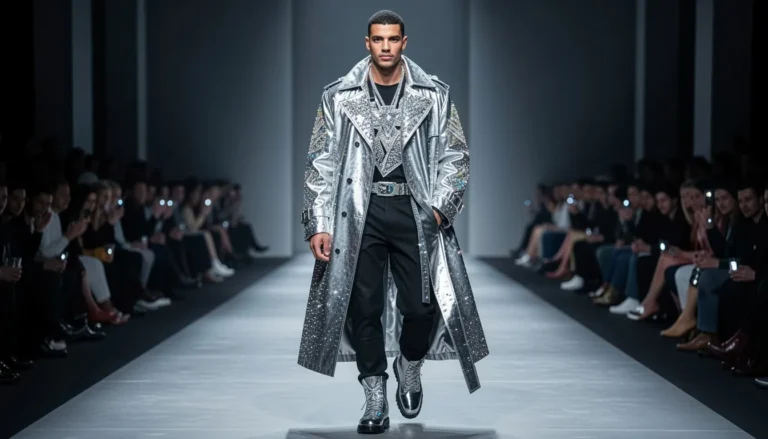

50 Degree Weather Outfits: Mastering the Art of Transitional Style

Navigating the tricky temperature zone of the mid-seasons can be a fashion challenge. 50 degree weather outfits require a delicate balance; it is too chilly for just a t-shirt but often too mild for a heavy winter parka. This specific temperature range is the sweet spot for fashion lovers because it allows for the most creativity: layering. Whether you are stepping out into a crisp autumn morning or enjoying the first hints of spring warmth, knowing how to dress for 50 degrees (10°C) is essential for staying comfortable and looking chic.
In this comprehensive guide, we will break down the art of transitional dressing. We will explore the best fabrics to choose, the essential layers you need in your wardrobe, and specific outfit formulas for every occasion—from casual coffee runs to office-ready ensembles. Say goodbye to shivering in the morning and sweating by noon.
The Golden Rule: Layering is Key
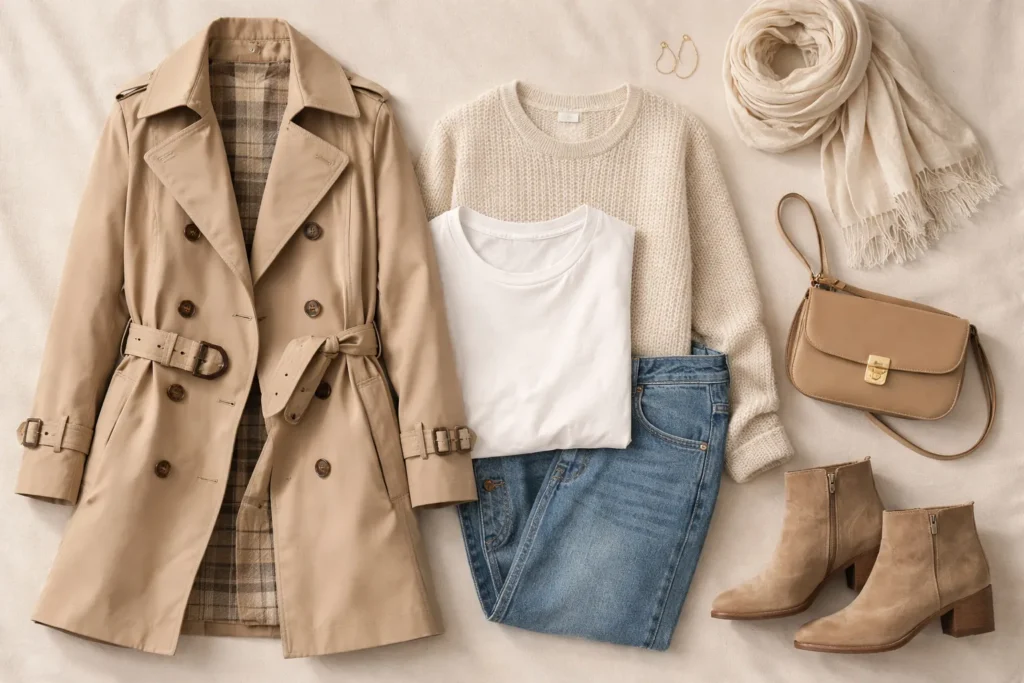
When the thermometer hits 50 degrees, the weather can be unpredictable. It might feel brisk in the shade or with a breeze, but surprisingly warm in direct sunlight. This is why layering is not just a style choice; it is a practical necessity.
The Base Layer: Comfort First
Your base layer sits directly against your skin, so comfort is paramount.
- Fabric Choice: Opt for breathable fabrics like cotton or moisture-wicking blends. Avoid heavy synthetics that might trap too much heat if the day warms up.
- Style Options: A simple white tee, a fitted turtleneck, or a lightweight long-sleeve shirt are perfect starting points. They provide a foundation without adding bulk.
The Mid-Layer: Insulation
This layer provides the warmth. In 50-degree weather, you have plenty of stylish options that aren’t too heavy.
- Cardigans: Chunky knits or sleek merino wool cardigans are easy to remove if you get too warm.
- Sweaters: Crew necks and V-necks in cashmere or cotton blends offer warmth without the suffocation of heavy wool.
- Vests: A puffer vest or a tailored waistcoat keeps your core warm while letting your arms breathe.
The Outer Layer: Protection and Style
The final piece of the puzzle protects you from wind or light rain and ties the whole look together.
- Trench Coats: The ultimate transitional piece. It cuts the wind but is lightweight enough for moderate temps.
- Leather Jackets: A moto jacket adds edge and warmth without the bulk of a down coat.
- Denim Jackets: Perfect for a casual vibe, especially when layered over a hoodie.
- Blazers: An oversized blazer is trendy and provides just the right amount of coverage.
Essential Wardrobe Staples for 50 Degree Weather

To build versatile 50 degree weather outfits, you need a few reliable staples in your closet. These pieces can be mixed and matched to create endless combinations.
1. The Classic Trench Coat
A beige or camel trench coat is timeless. It instantly elevates a casual outfit and is practical for the often-damp weather that accompanies 50-degree days. Look for water-resistant options for added functionality.
2. Ankle Boots
Too cold for sandals, maybe too warm for knee-high insulated snow boots? Ankle boots are the answer. Whether you prefer a Chelsea boot, a heeled bootie, or a combat boot like Dr. Martens, they keep your feet warm and dry while looking stylish with jeans, skirts, or dresses.
3. Midi Skirts and Dresses
You don’t have to pack away your skirts just yet. Midi lengths offer more coverage than minis. When paired with tights or tall boots, they are perfectly appropriate for this weather.
4. Scarves
A scarf is the secret weapon of transitional dressing. A lightweight wool or cashmere scarf can add significant warmth when needed but is easy to stash in your bag if the sun comes out. Plus, it adds texture and color to your look.
5. Straight-Leg Jeans
While skinny jeans are great for tucking into boots, straight-leg or wide-leg jeans allow for air circulation and look great with loafers or sneakers. A medium wash or black denim is versatile for both day and night.
5 Stylish Outfit Formulas to Try Now
Stuck on what to wear today? Here are five fail-safe formulas that work perfectly for 50-degree days.
Look 1: The “Off-Duty Model”
This look balances comfort with cool-girl aesthetics. It’s perfect for running errands or grabbing lunch.
- The Combo: Straight-leg jeans + White T-shirt + Leather Moto Jacket.
- Footwear: White sneakers or black combat boots.
- Why it Works: The leather jacket blocks the wind, while the t-shirt keeps you from overheating. It’s a classic silhouette that never goes out of style.
Look 2: Office Chic
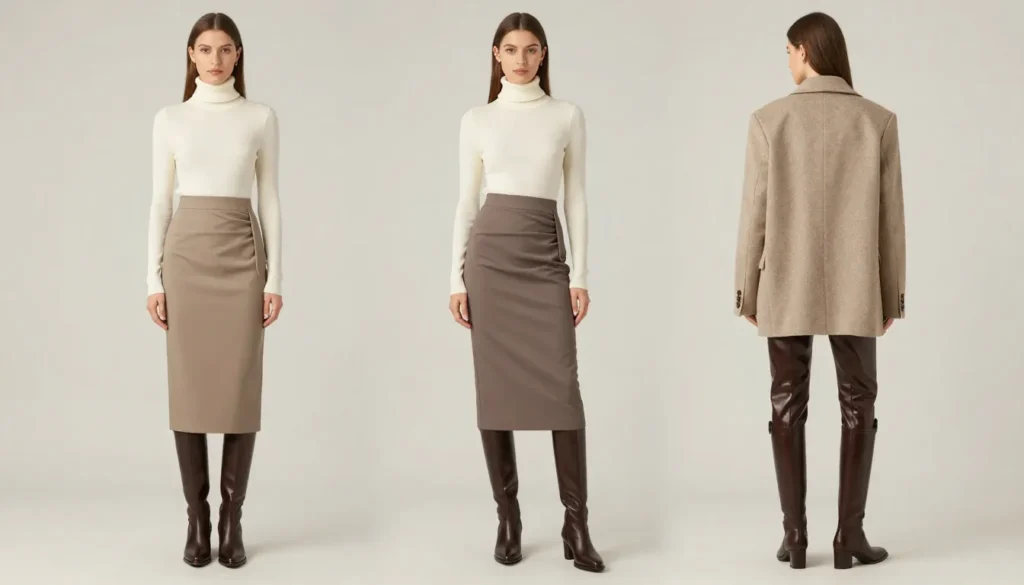
Dressing for work in transitional weather can be tough, especially with fluctuating office heating.
- The Combo: Midi skirt + Fitted Turtleneck + Oversized Blazer.
- Footwear: Knee-high leather boots.
- Why it Works: The boots cover your legs for warmth (skipping the need for tights if you prefer), and the blazer adds a professional polish. If the office is warm, you can remove the blazer and still look put-together.
Look 3: Cozy Weekend

For those lazy Sundays or casual walks in the park.
- The Combo: Leggings or Joggers + Hoodie + Trench Coat.
- Footwear: Retro trainers or athletic sneakers.
- Why it Works: The trench coat elevates the loungewear underneath, making it socially acceptable to wear sweats outside. It’s the ultimate “high-low” fashion mix.
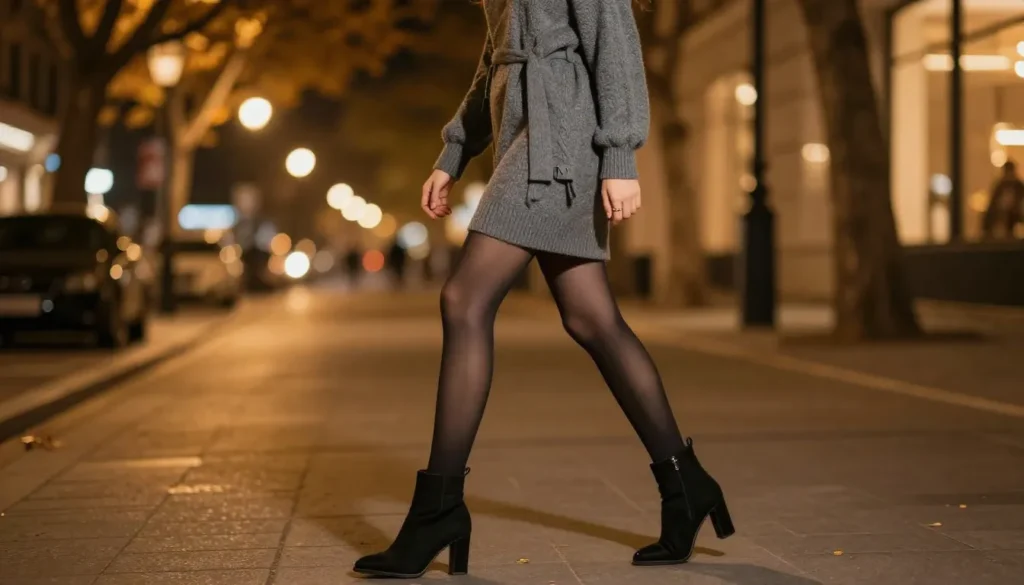
Look 4: The Dinner Date
You want to look dressed up but not freeze on the walk from the car to the restaurant.
- The Combo: Sweater Dress + Belt + Tights.
- Footwear: Heeled ankle boots.
- Why it Works: A sweater dress is cozy but elegant. Belting it defines your waist. Tights are essential here—opt for sheer black tights for a dressier look or opaque ones for extra warmth.
Look 5: Preppy Layers
Ideal for school, university, or a creative workplace.
- The Combo: Collared Shirt + Crewneck Sweater + Mini Skirt.
- Footwear: Loafers with visible white socks.
- Why it Works: The collar peeking out adds a deliberate styling touch. Wearing socks with loafers is a major trend that adds just enough warmth for your ankles.
Fabrics to Embrace (and Avoid)

Not all materials are created equal when it comes to 50 degree weather outfits. Choosing the right fabric can be the difference between shivering and feeling just right.
Best Fabrics
- Merino Wool: It is thinner than traditional wool but incredibly warm and temperature-regulating.
- Denim: Thick enough to block a breeze but breathable enough for moderate temps.
- Leather/Faux Leather: Excellent windbreaker properties.
- Cashmere: Provides high warmth with low bulk, making it perfect for layering.
- Cotton Blends: Great for base layers as they breathe well.
Fabrics to Use with Caution
- Heavy Down Feathers: Unless it is a very windy 50 degrees, a full down parka will likely make you sweat. Save the puffer coats for freezing temps.
- Linen: Generally too breezy and light for 50 degrees unless heavily layered.
- Thick Synthetic Fleece: Can trap moisture and make you clammy if you are active.
Accessories: The Finishing Touches
Accessories are functional tools in this weather.
- Hats: A beanie might be overkill on a sunny 50-degree day, but a felt fedora, a beret, or a baseball cap is perfect. They keep heat in without overheating your head.
- Tights: Investing in a good pair of tights opens up your wardrobe. You can wear your summer dresses well into autumn. Look for “denier” ratings—lower numbers are sheerer, higher numbers are more opaque and warmer.
- Socks: Don’t ignore your socks. Wool blend socks keep feet dry and warm. Show them off by letting them peek out of boots or pairing them with sneakers.
Transitional Styling Tips for Men
While much of this advice applies universally, here are a few specific tips for men navigating 50-degree weather.
- The Shacket: A shirt-jacket (usually flannel or wool blend) is the MVP of men’s transitional style. Wear it over a t-shirt or a henley.
- Quarter-Zip Sweaters: Perfect for wearing over a button-down shirt for the office. It looks professional but provides necessary insulation.
- Vests: A quilted vest over a flannel shirt is a classic outdoor look that allows for arm mobility while keeping the chest warm.
- Boots: Swap the canvas sneakers for leather chukka boots or Red Wings. They handle wet pavement better and keep toes warmer.
Conclusion
Mastering 50 degree weather outfits is all about flexibility. It is the season of the jacket, the sweater, and the boot. By focusing on breathable base layers and adding easy-to-remove mid and outer layers, you can conquer the day regardless of how the temperature fluctuates. This weather offers a unique opportunity to showcase your personal style because you can wear the widest variety of your wardrobe. You can mix your summer skirts with autumn knits, or your winter boots with spring dresses. So embrace the chill, grab your favorite trench coat or leather jacket, and step out with confidence knowing you are prepared for anything the forecast throws your way.
Frequently Asked Questions (FAQs)
Q1: Do I need a winter coat for 50-degree weather?
A: Generally, no. A heavy winter coat or parka is usually too warm for 50 degrees (10°C). You are better off with a mid-weight jacket like a trench coat, a leather jacket, a denim jacket, or a wool blazer. If you tend to run cold, a light puffer jacket or vest is a good alternative.
Q2: Can I wear sandals in 50-degree weather?
A: It is usually too cold for open-toed shoes like sandals or flip-flops. Your feet will get cold quickly. It is better to opt for loafers, sneakers, mules, or ankle boots. If you really want to wear sandals, consider the “socks with sandals” trend if it fits your style, but closed-toe shoes are the safer bet.
Q3: Are tights necessary for 50-degree weather?
A: This depends on personal preference and wind chill. If you are wearing a short skirt or dress, tights will keep you much more comfortable. However, with a midi or maxi skirt, you might be fine without them, especially if you are wearing tall boots.
Q4: Is 50 degrees considered cold?
A: It is considered “cool” or “brisk” rather than freezing. It is typical transitional weather found in spring and autumn. It requires a jacket and long pants/sleeves, but it isn’t cold enough for thermal underwear or heavy snow gear.
Q5: What is the best jacket for 50-degree weather?
A: The trench coat is arguably the most versatile option. It provides good coverage against wind and light rain, looks stylish, and isn’t too heavy. Leather jackets and utility jackets (shackets) are also top contenders.